

The cheap point-and-shoot came back, and nobody at the camera companies seems sure why. Digital Camera World reported in July that Kodak models made up about 40 percent of Amazon's top ten camera best sellers, with the FZ45 at number one in the US. Up at the expensive end, the Fujifilm X100VI is still backordered. So we lined up 16 compact cameras from Fujifilm, Ricoh, Sony, Canon, OM System and Kodak, and compared the six things that separate them: sensor size, megapixels, optical zoom, video, weight and viewfinder. The picks and price buttons sit above this article, and the full sortable sheet has every camera side by side.
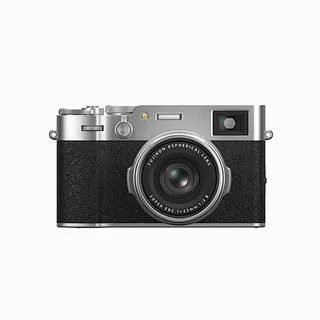
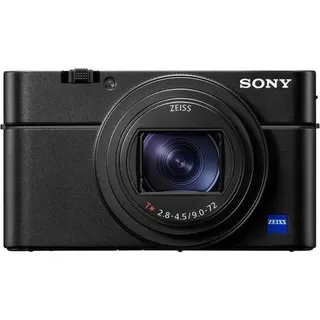
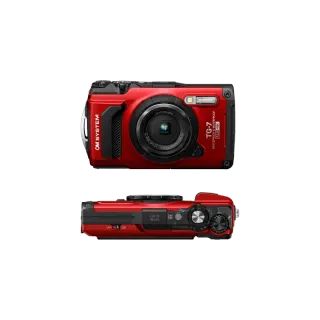
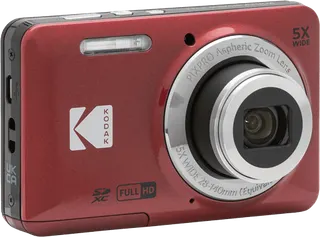
The short answer: the Fujifilm X100VI is the best compact camera you can buy, if you can find one. The Sony RX100 VII is the one to get if you want real zoom in a real pocket. The OM System Tough TG-7 is the one that survives the beach. The Kodak PIXPRO FZ55 is the sensible cheap one, as long as you know what cheap buys you here.
Whether this lasts is an open question. Canon's imaging chief Go Tokura told Digital Camera World in March that supply can't meet demand, and that some of the apparent demand may come from the shortage itself. You will see that shortage again below, because several of the cameras here are hard to buy new.
Sensor size: the spec that decides nearly everything
Sensor size is the first column to read. A bigger sensor collects more light, and that is what separates a compact from the phone in your pocket. Here is how our 16 cameras split:
- APS-C (3): Fujifilm X100VI, Ricoh GR IV, Ricoh GR IIIx
- 1.4-inch (1): Canon PowerShot V1
- 1-inch (5): Sony RX100 VII, ZV-1, ZV-1 II and ZV-1F, Canon PowerShot G7 X Mark III
- 1/2.3-inch (6): Kodak PIXPRO FZ55, FZ45 and WPZ2, Canon PowerShot ELPH 360 HS A and SX740 HS, OM System Tough TG-7
- 1/3-inch (1): Kodak PIXPRO C1
The fractions are misleading, since "1/2.3-inch" sounds close to "1-inch" and isn't. Digital Camera World's sensor comparison puts a 1/2.3-inch chip at about 28 mm² and a 1-inch chip at about 116 mm², so roughly a quarter of the area. Ricoh's published 23.5 by 15.6 mm for the GR IIIx works out to about 367 mm², more than 13 times the 1/2.3-inch figure.
RTINGS, which buys and tests its cameras, says cheap new compacts are usually not worth buying over the phone you already own. Its budget pick, the Canon SX740 HS, is there for zoom and for the feel of holding a camera, and RTINGS doesn't expect its images to be much better than a modern phone's.
Slopsheets says: A cheap Kodak is a fine way to get a different look and leave your phone in your bag. It isn't an image-quality upgrade, and buying one as if it were is how the disappointment starts.
Megapixels: the number that tells you the least
Fifteen of the 16 cameras sit between 12 and 26 megapixels. The outlier is the X100VI at 40.2, which gives you room to crop on a lens that can't zoom. Everywhere else, the count says very little without the sensor beside it.
The Canon ELPH 360 HS A has 20.2 megapixels and the Sony ZV-1F has 20.1, so they should deliver about the same picture.
The Sony spreads those pixels across about four times the sensor area. RTINGS rates the Canon's image quality as decent only in good light.
The low end has its own surprise. The TG-7 has the lowest count here at 12 megapixels, and reviewers still treat it as the class leader among rugged compacts.
Optical zoom: the one thing your phone can't fake
RTINGS names long zoom and optical stabilization as the real advantages a compact holds over a phone, so this column matters more than it first appears. It runs from 1x, meaning a fixed lens, up to 40x.
- Fixed lens (5): X100VI, GR IV, GR IIIx and ZV-1F, plus the Kodak C1, which offers digital zoom only.
- Short zoom, 2.7x to 5x: ZV-1, ZV-1 II, V1, TG-7, FZ45, WPZ2, G7 X Mark III and FZ55.
- Long zoom: RX100 VII at 8x, ELPH 360 HS A at 12x, SX740 HS at 40x.
Digital Camera World ranks the RX100 VII first among zoom compacts for its stacked sensor and 24-200mm range. It's the only camera here that pairs a 1-inch sensor with more than 5x of zoom. Reviewers do note weak low-light results at the long end, where the lens gets slow.
The SX740 HS has the most reach by a wide margin and still fits in a pocket, but Canon Rumors and OWC both report that production has ended. If a new one turns up, treat it as a find. The ELPH 360 HS A is the current Canon alternative, with far less reach on a similar sensor.
Don't overpay for: digital zoom. It's a crop. The optical figure is the only zoom number that changes what the lens can do.
Video: where the price stops predicting the spec
Eight cameras here shoot 4K, the X100VI goes to 6.2K, and the other seven stop at 1080p. That last group includes two of the best stills cameras in the table, because Ricoh limits both the GR IV and GR IIIx to 1080p. DPReview calls video on the GR IV an afterthought, and the column says the same thing.
If video is the main job, look at the cameras built for it, and read the fine print:
- Canon PowerShot V1: DPReview likes the ultra-wide lens, stabilization options and fan-backed recording, but measured high rolling shutter in 4K (26.3 ms up to 30p).
- Sony ZV-1: praised by DPReview and RTINGS for video quality and autofocus, and RTINGS still prefers it to the newer model because it keeps optical stabilization.
- Sony ZV-1 II: wider lens than the original, with stabilization that's electronic only and crops the image.
- Sony ZV-1F: DPReview likes its size and sharp 20mm lens, and flags jello from slow readout plus no optical stabilization.
The newest vlogging Sony isn't the obvious winner here, which is worth knowing before you pay extra for it. Also watch clip length: Treeline Review lists about 5.5 minutes per 4K clip on the TG-7.
The catch: 4K on a spec sheet says nothing about how a camera handles motion. Slow sensor readout is why the ZV-1F and V1 both draw rolling-shutter complaints.
Weight: pocket cameras that are actually pocket-sized
The range is 106 g (Kodak FZ55) to 521 g (X100VI), and there's a catch in the comparison. Kodak quotes its weights body-only, so add the battery and a card before comparing an FZ55 with the rest. The FZ45 runs on AA batteries, which aren't in its 116 g either.
Among cameras weighed ready to shoot, the ELPH 360 HS A is lightest at 146 g. The TG-7 is a real surprise at 249 g, lighter than either Ricoh, for a camera built to get dropped. The GR IV and GR IIIx both come in at 262 g with an APS-C sensor inside, which no other camera here matches at anything close to that weight. DPReview's review of the GR IV singles out that pocketability.
The X100VI is the heaviest thing on the list and it isn't close, though its viewfinder and in-body stabilization have to live somewhere.
Pay up only if: the camera will actually come with you. An APS-C Ricoh in a jacket is worth more than an X100VI left at home because you didn't feel like carrying it.
Viewfinder: only two cameras have one
Just two of the 16 give you something to put your eye to. The X100VI has its hybrid optical and electronic finder, which DPReview praises. The RX100 VII has a pop-up OLED finder. Everything else makes you compose on the rear screen.
That matters more than it sounds in bright sun. Treeline Review found the TG-7's screen hard to see with sunglasses on, and Tom's Guide calls the Kodak C1's screen dim.
Which one to actually buy
Best overall, if you can get one: the Fujifilm X100VI. RTINGS names it the best compact it has tested, and DPReview scored it 87 percent, while faulting its wide-open lens sharpness. Fstoppers reported in late October that it's still routinely backordered, and warns of reseller markups.
Best for a jacket pocket: the Ricoh GR IV, with the GR IIIx if you prefer a 40mm view. RTINGS picks the GR IIIx as its mid-range compact. DPReview loves the GR IV's images and lens, and calls its autofocus dated.
Best zoom: the Sony RX100 VII, for all the reasons above.
Best for beaches and bad decisions: the OM System Tough TG-7, which reviewers treat as the class leader for durability and macro, though it's almost the same camera as its predecessor. TechRadar found the Kodak WPZ2 earns its keep at less than half the price, waterproof to 15 m by Kodak's rating, with duller images and dated 1080p.
Best cheap camera: the Kodak PIXPRO FZ55, which has the most zoom of the Kodaks at 5x. Labo Fnac, the only lab test of a Kodak we found, scored its optical quality 4.3 out of 10 and telephoto 5.4 out of 10, while praising color and definition. Digital Camera World calls the results adequate. The FZ45 costs you image quality and runs on AAs, with Tom's Guide citing poor battery life on disposables. The C1's 1/3-inch sensor is the smallest here, and Tom's Guide calls its images hit or miss.
Think twice: the Canon G7 X Mark III is still a capable camera on a bright f/1.8-2.8 lens, but Digital Camera World reported in August that it remains hard to find at list and that used copies approach twice the new cost. Don't pay a viral premium for it. The PowerShot V1 is also getting scarce, with Fstoppers advising readers to buy while retail stock lasts.
If you came here for prints or for mounting a camera on a helmet, those are different sheets: see instant cameras and action cameras.
FAQ
Is a cheap digital camera better than my phone?
Usually not on image quality. Most sub-flagship digicams here use a 1/2.3-inch sensor, which is smaller than a large modern phone sensor. People buy them for optical zoom, for a look that doesn't resemble phone photos, and for a device that doesn't have notifications.
Why are compact cameras so hard to find?
Makers scaled back compacts for years and demand returned faster than production did. Canon said in March that supply can't meet demand, and that it plans to expand its compact lineup. Availability changes quickly, so check current stock before you settle on one model.
Who actually makes Kodak digital cameras?
Licensees. Digital Camera World notes that Kodak-branded digital cameras come from licensees and not from Eastman Kodak. The PIXPRO line has its own site and spec sheets.
Which compact is best for vlogging?
Of the cameras here, the Sony ZV-1 has the strongest case because it keeps optical stabilization and has a fully articulated screen. The Canon V1 wins on lens width and sustained recording, if you can find one and can live with its rolling shutter.
Sources / further reading
- RTINGS: The 6 Best Compact Cameras of 2026
- RTINGS: Canon PowerShot ELPH 360 HS A review
- RTINGS: Canon PowerShot SX740 review
- Digital Camera World: Kodak's cheap digicams and Amazon's best sellers
- Digital Camera World: CIPA figures through September 2026
- Digital Camera World: Canon on whether the compact boom is real
- Digital Camera World: compact camera sensor sizes compared
- Digital Camera World: G7 X Mark III availability
- Digital Camera World: Kodak PIXPRO FZ55 review
- Digital Camera World: Kodak PIXPRO FZ45 review
- DPReview: Fujifilm X100VI review
- DPReview: Ricoh GR IV in-depth review
- DPReview: Canon PowerShot V1 hands-on review
- DPReview: Sony ZV-1F review
- DPReview: Sony ZV-1 review
- DXOMARK: how a large sensor in a smartphone affects image quality
- Fstoppers: The Best Compact and Point-and-Shoot Cameras in 2026
- Labo Fnac: Kodak Pixpro FZ55 lab test (French)
- TechRadar: Kodak WPZ2 review
- TechRadar: Canon PowerShot ELPH 360 HS A review
- Tom's Guide: Kodak PIXPRO FZ45 review
- Tom's Guide: Kodak PIXPRO C1 review
- Tom's Guide: OM System Tough TG-7 review
- Treeline Review: OM System TG-7 review
- Canon Rumors: SX740 HS production ends
- OWC: the end of the SX740 HS
- Kodak PIXPRO FZ55 specifications
- Ricoh GR IIIx specifications
- Fujifilm X100VI specifications