

Your espresso machine can only work with what the grinder hands it. A pricey machine fed uneven grounds pulls a sour, gushing shot, and a cheap machine fed a fine, even grind can surprise you. That makes the grinder the purchase people underthink most, and it's why this comparison lines up 20 burr grinders from Baratza, Breville, Fellow, Niche, Eureka, Comandante and more. The shortlist and check-price buttons sit above this article, and the full sortable sheet holds every model side by side. Down here we go column by column: what each spec changes in the cup, and which claims on the box you can safely ignore.
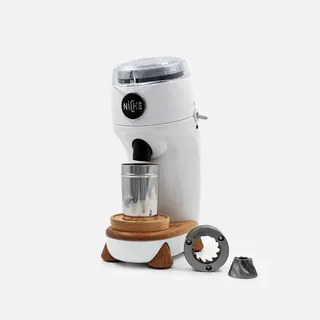
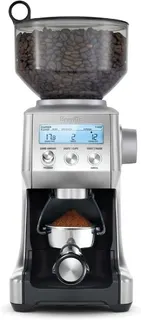
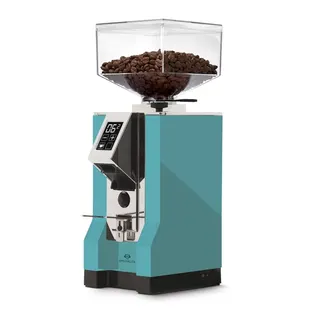
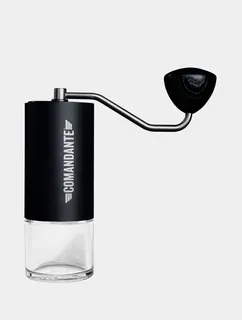
The lineup: fourteen electric hopper and single-dose grinders (the Niche Zero, Eureka Mignon Specialita, Breville Smart Grinder Pro and Dose Control Pro, Baratza Encore ESP, Encore, Virtuoso+, Sette 270 and Vario+, Turin DF64 Gen 2, Fellow Ode Gen 2, OXO Brew Conical Burr, KitchenAid KCG8433 and Bodum Bistro), three budget classics that live in a lot of kitchens (De'Longhi Dedica KG521, Capresso Infinity and Cuisinart DBM-8), and three hand grinders: the Comandante C40 MK4, 1Zpresso JX-Pro and Timemore Chestnut C3. No blade grinders. A spinning blade chops beans into dust and boulders at the same time, and that's the one thing every grinder here exists to fix.
Can it actually grind for espresso?
Start here, because it decides whether half the sheet is even on your list. Espresso needs a grind that's fine, even, and adjustable in tiny steps: one notch too coarse and the shot runs in ten seconds, one notch too fine and it chokes. Filter coffee (drip, pour-over, French press) is far more forgiving.
That's why the column on the sheet is labeled "per maker". Only Fellow (for the Ode Gen 2) and Baratza (for the original Encore, which it rates two out of five for espresso in its own Encore vs. Encore ESP comparison) are upfront that a grinder isn't built for it. Everyone else claims the full range, and the testing says otherwise for the cheap end:
- TechGearLab couldn't get the Cuisinart DBM-8 fine enough for a decent shot, and it rated the Capresso Infinity poorly on consistency.
- Kaffeemacher found the De'Longhi Dedica KG521, as shipped, too coarse for unpressurized baskets. It's fine with the pressurized baskets that come with many entry-level machines.
- CoffeeGeek and Homes & Gardens both say the OXO Brew is no real espresso grinder, despite OXO's "fine for espresso" copy.
The grinders that do handle real espresso cluster at two price points. On a budget, the Breville Smart Grinder Pro and Baratza Encore ESP are the two the labs keep coming back to. Coffee Review's laser particle analysis found the Smart Grinder Pro the most consistent of the four mid-range grinders it tested. Above that, the Niche Zero, Eureka Mignon Specialita, Turin DF64 Gen 2 and Baratza Vario+ are built for it from the start.
Slopsheets says: if you own (or are about to buy) an espresso machine with a non-pressurized basket, ignore the box and look at the lab results. The Smart Grinder Pro and Encore ESP are the cheapest grinders here we'd trust with a real shot.
Burr type: conical or flat
Every grinder here crushes beans between two burrs. Conical burrs are a cone inside a ring; flat burrs are two parallel discs. Fifteen of the 20 are conical. The five flat-burr grinders are the Fellow Ode Gen 2, Turin DF64 Gen 2, Eureka Mignon Specialita, Baratza Vario+ and the Cuisinart DBM-8.
The usual shorthand among home baristas: conical burrs give a heavier, more textured cup that suits traditional espresso, and good flat burrs give more clarity, which pour-over drinkers chase. It's a real tendency, not a rule. The Cuisinart has flat burrs and still trails the field, because burr shape matters far less than burr quality, alignment and the motor turning them.
The catch: "flat burr" on a bargain grinder is not the same thing as flat burrs on an enthusiast one. Treat burr type as a tiebreaker between good grinders, never a reason to pick a bad one.
Burr size: bigger cuts faster, not automatically better
Sort the sheet by burr size and the field runs from the Bodum Bistro's 35 mm to the 64 mm flat sets in the Fellow Ode Gen 2 and Turin DF64 Gen 2. The Niche Zero's 63 mm conical burrs are the largest conical set here by a wide margin. A whole block of grinders sits at exactly 40 mm: the Baratza Encore, Encore ESP, Virtuoso+ and Sette 270, the OXO, and both Brevilles.
Bigger burrs grind faster and usually run cooler, and bigger sets tend to come with better motors and stiffer alignment. That's the real reason they're associated with better coffee. Size alone doesn't produce it: the 39 mm Comandante hand grinder outclasses plenty of larger electric burrs.
Four manufacturers don't publish a burr diameter at all: KitchenAid, De'Longhi, Capresso and Cuisinart. Those cells read "Not published" on the sheet instead of a guessed number, and they sort to the bottom. We also flag where a figure comes from a lab or retailer rather than the maker. Breville doesn't publish its burr size either, and the Smart Grinder Pro's 40 mm comes from Coffee Review's lab review.
Single dosing: what's left in the grinder matters
A hopper grinder holds a pound of beans on top and grinds what you need. A single-dose grinder has no real hopper: you weigh out one dose, grind all of it, and nothing's left behind to go stale. Six grinders here are built that way: the Niche Zero, Turin DF64 Gen 2 and Fellow Ode Gen 2, plus all three hand grinders (you load one dose at a time by design).
The spec that makes single dosing work is retention, the grounds that stay stuck inside the grinder and fall into your next dose. Nobody prints it on the box, so here's what testers measured:
Retention matters most if you switch beans or grind sizes often (a decaf in the evening, pour-over on weekends). If you drink the same espresso every morning, a hopper grinder like the Eureka Mignon Specialita is simpler and works fine: purge a gram or two and move on.
Pay up only if: you change beans or brew methods during the week. Single dosing is a workflow, not a quality upgrade, and you'll weigh every dose for the life of the grinder.
Stepless vs stepped adjustment
Most grinders click between fixed settings. A stepless grinder turns smoothly, so you can stop anywhere between two numbers. Four grinders here are stepless: the Niche Zero, Eureka Mignon Specialita and Turin DF64 Gen 2, plus the Baratza Sette 270, which pairs 30 stepped macro settings with a stepless micro ring.
For filter coffee, steps are fine. For espresso, what matters is how fine each step is, and that's where the box numbers mislead.
70 grind settings beats 40, so the grinder with more numbers dials in espresso better.
Only the steps inside the espresso range count. The Encore ESP spends 20 of its 40 steps there; a 70-step grinder may give espresso a handful.
Baratza's Encore ESP is a good example of steps done right: settings 1-20 are fine micro steps for espresso, and 21-40 are coarse macro steps for filter. The Baratza Vario+ goes further with a macro and micro lever, around 230 positions in all. The 1Zpresso JX-Pro publishes its step size outright (12.5 microns per click), which is the number you'd actually want from every maker.
Don't overpay for: a big settings count. Look for how the range is split, or go stepless if you pull espresso daily.
Electric or manual
Three hand grinders made the sheet, and two of them are anything but a budget compromise. The Comandante C40 MK4 is Tom's Guide's best hand grinder and has been the reference hand grinder among home baristas for years. The 1Zpresso JX-Pro scored 8.9 out of 10 at Home Coffee Expert for its consistency and easy external dial. The Timemore Chestnut C3 is the budget pick, and Home Coffee Expert found it great for filter and French press but short on usable espresso settings (Timemore sells a separate C3 ESP model for that).
What you trade is effort and time. Grinding an espresso dose by hand takes a minute of real cranking, and more for light roasts. For one or two cups a day, a good hand grinder buys you burr quality that would cost several times as much in an electric. For a household making a full pot, it's a chore.
What the box won't tell you: a good hand grinder often grinds more evenly than an electric that costs more. You pay in elbow grease instead.
So which grinder should you buy?
- Espresso on a budget: the Breville Smart Grinder Pro, or the Baratza Encore ESP if you value Baratza's repair parts. Skip the Dose Control Pro; CoffeeGeek measured 2-3 g retention and found its one-second timer too coarse, and the Smart Grinder Pro costs only a little more.
- Espresso, every day, for years: the Eureka Mignon Specialita if you stick to one coffee, the Niche Zero if you switch around. The Turin DF64 Gen 2 gets you big flat burrs for less, if you can live with the noise (Home Grounds measured over 90 dB).
- Drip and pour-over only: the Baratza Encore is the long-running safe choice. The Fellow Ode Gen 2 is the upgrade for pour-over clarity, and Fellow is clear it isn't for espresso.
- Small budget, small kitchen, one cup: a hand grinder. The JX-Pro if you want espresso, the Timemore C3 if you don't.
The AI score on the sheet weighs these trade-offs: how each grinder is reviewed, its build and reliability record, and value for money. It's a model's informed opinion from the research, not a lab measurement.
FAQ
Is a burr grinder worth it over a blade grinder? Yes, for anything beyond the most casual drip coffee. A blade grinder produces fine dust and coarse chunks in the same batch, which over-extracts and under-extracts at once. Even the lowest-scored burr grinders here produce a more even grind.
Will a grinder from this list work with my entry-level espresso machine? If your machine came with pressurized (double-wall) baskets, nearly every grinder here can feed it, including the Dedica and the Bodum. If you use standard single-wall baskets, stick with the grinders labs have confirmed for real espresso: the Smart Grinder Pro, Encore ESP and the higher-end single-dosers.
How long should a good grinder last? Years, if parts are available. Baratza sells burrs, gearboxes and other spares for its grinders, which is a large part of why its models stay recommended. The Sette 270 has a known history of gearbox wear, and Baratza sells the repair parts for it.
Do I need a scale too? For espresso and single dosing, yes. Timed dosing on hopper grinders drifts as the hopper empties, and a cheap scale is the easiest way to keep shots consistent.
Sources / further reading
- The 6 best coffee grinders you can buy in 2026, tried and tested by a former barista, Tom's Guide
- The Best Coffee Grinders for Espresso or Pour-Over, WIRED
- The Best Coffee Grinder, TechGearLab
- Equipment Review: Breville Smart Grinder Pro, Coffee Review
- Best Budget Coffee Grinders for 2026, CoffeeGeek
- Breville Dose Control Pro Grinder, CoffeeGeek
- The Encore ESP: Baratza's Latest Grinder, CoffeeGeek
- The 6 Best Coffee Grinders 2026, Homes & Gardens
- Niche Zero espresso grinder test, Kaffeemacher
- Test: De'Longhi KG521, a good espresso grinder to get started?, Kaffeemacher
- DF64 Gen 2 Review: Second Round, First in Class, Coffee Chronicler
- Turin DF64 coffee grinder review, Home Grounds
- 1Zpresso JX-Pro review, Home Coffee Expert
- Timemore C3 review, Home Coffee Expert
- Encore vs. Encore ESP comparison, Baratza
- Ode Brew Grinder Gen 2, Fellow
- Niche Zero features, Niche