Seventeen trackers, and every one of them is a whisper with a keyring hole. The radio inside a Bluetooth tag reaches a few hundred feet on a good day, which means the gadget you clip to your keys is not really the product. The product is the crowd of strangers' phones that hear the whisper and quietly report where your backpack got off the bus. Buy the wrong crowd and the best hardware in this table goes deaf the moment your stuff leaves the driveway. The sortable table and the check-price buttons sit above this article; down here we sort the seventeen by the thing the box mentions last.
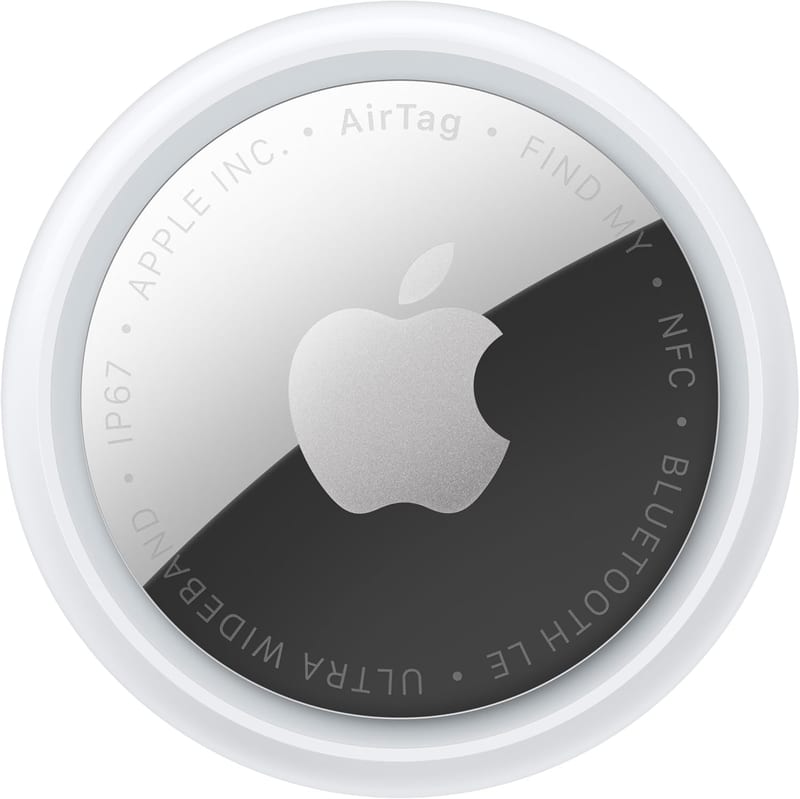
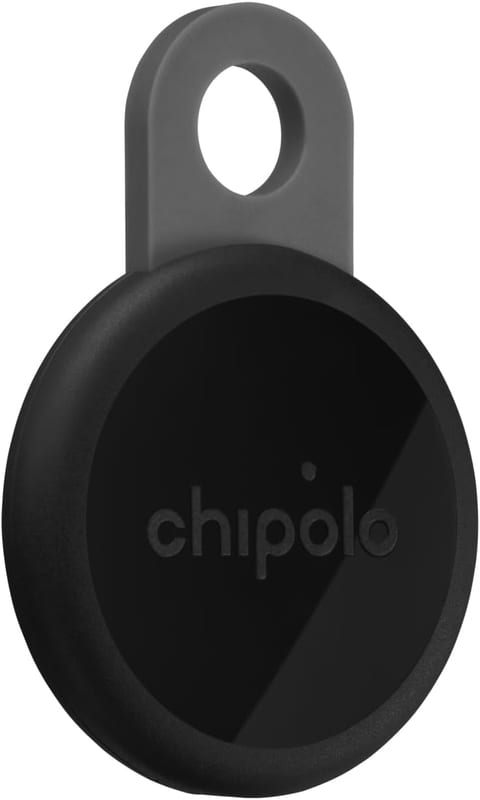
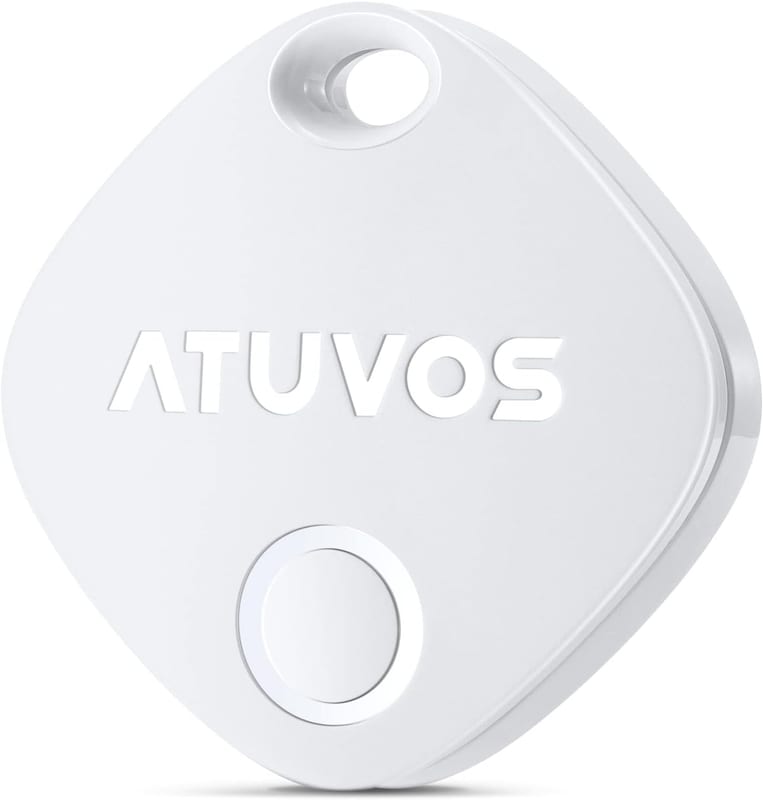
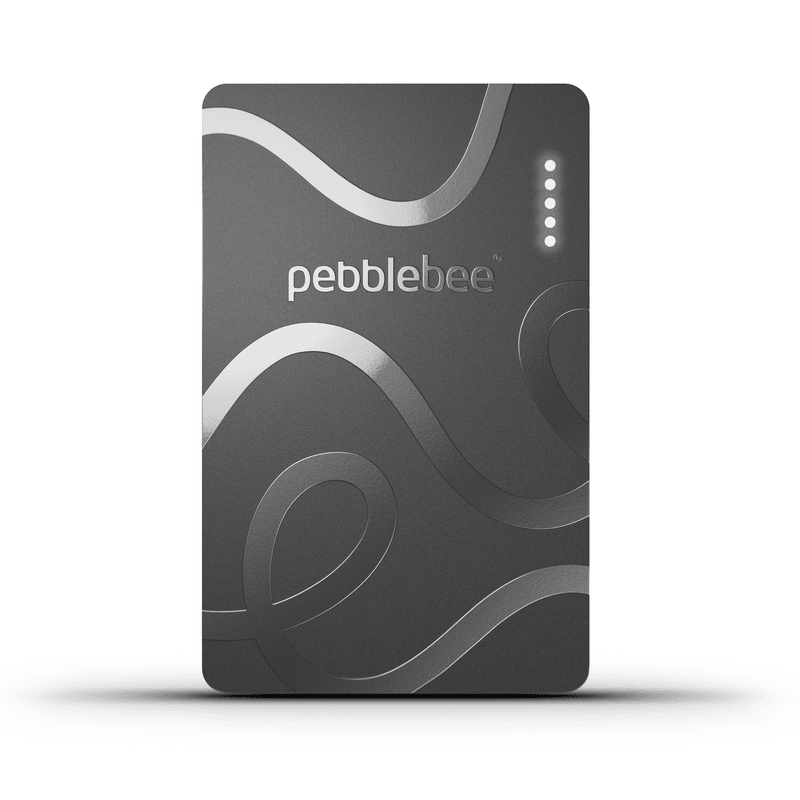
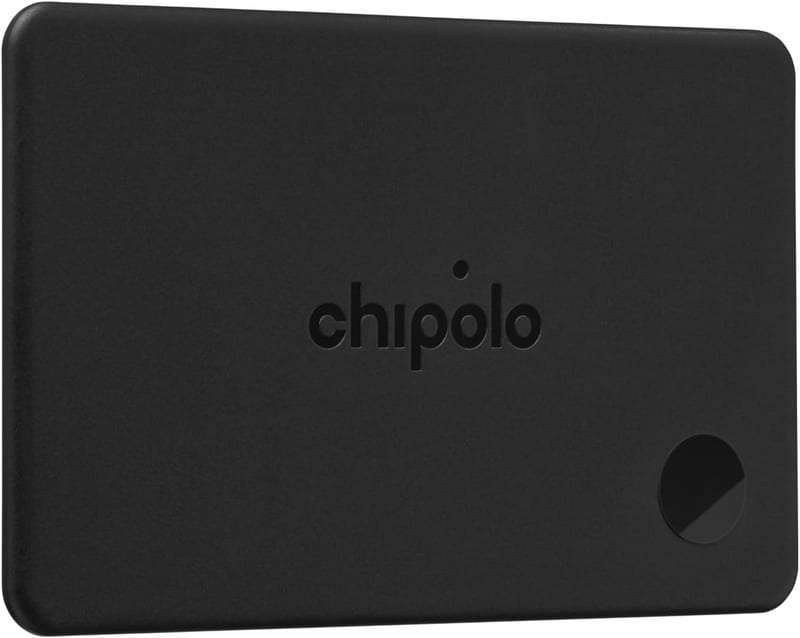
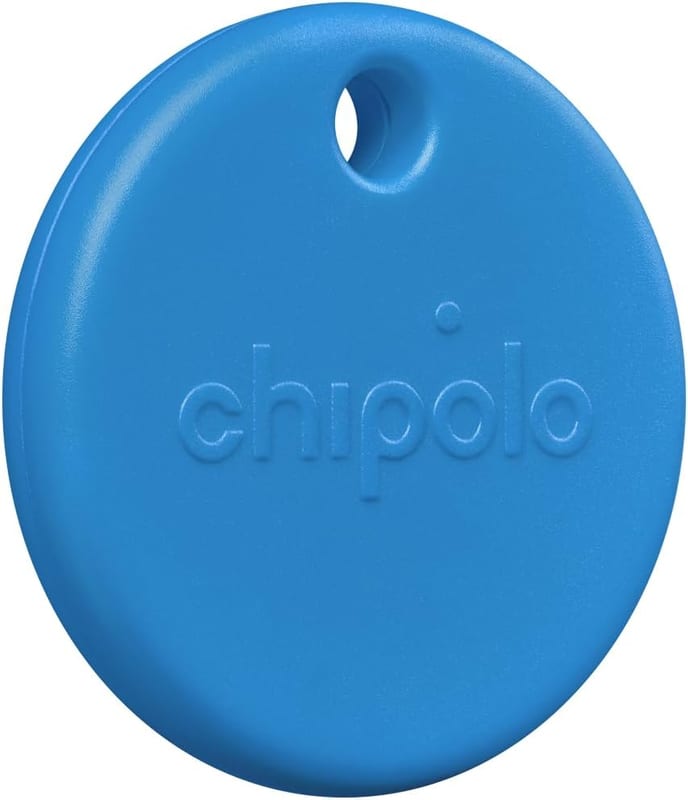
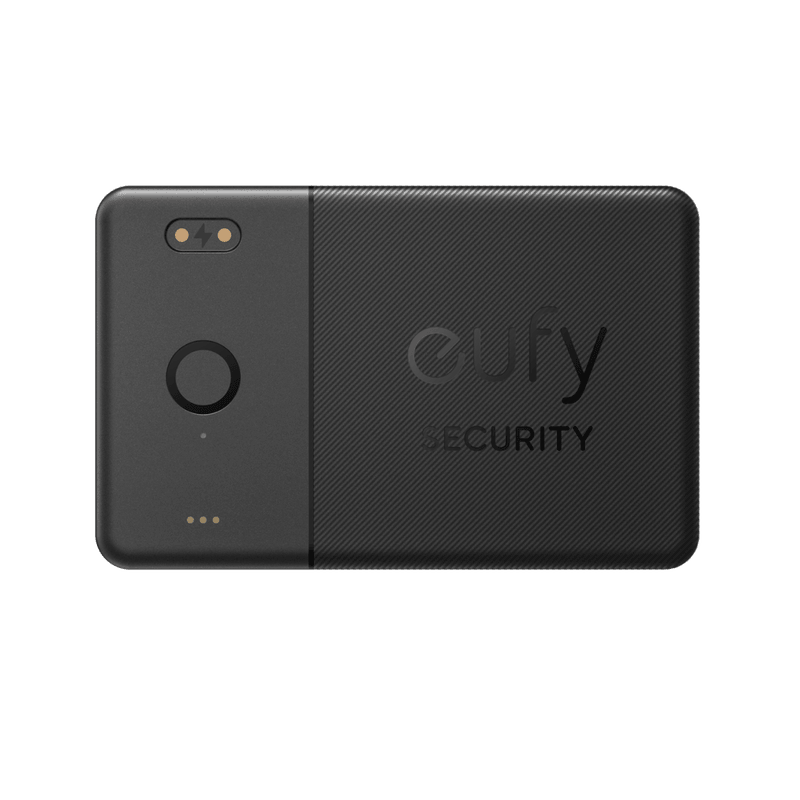
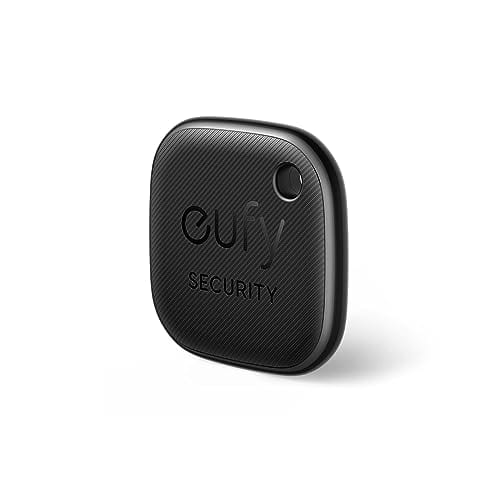
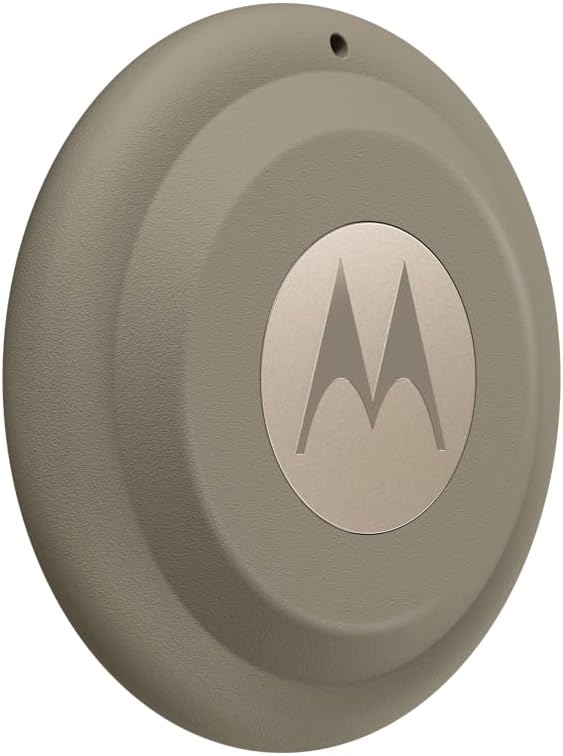
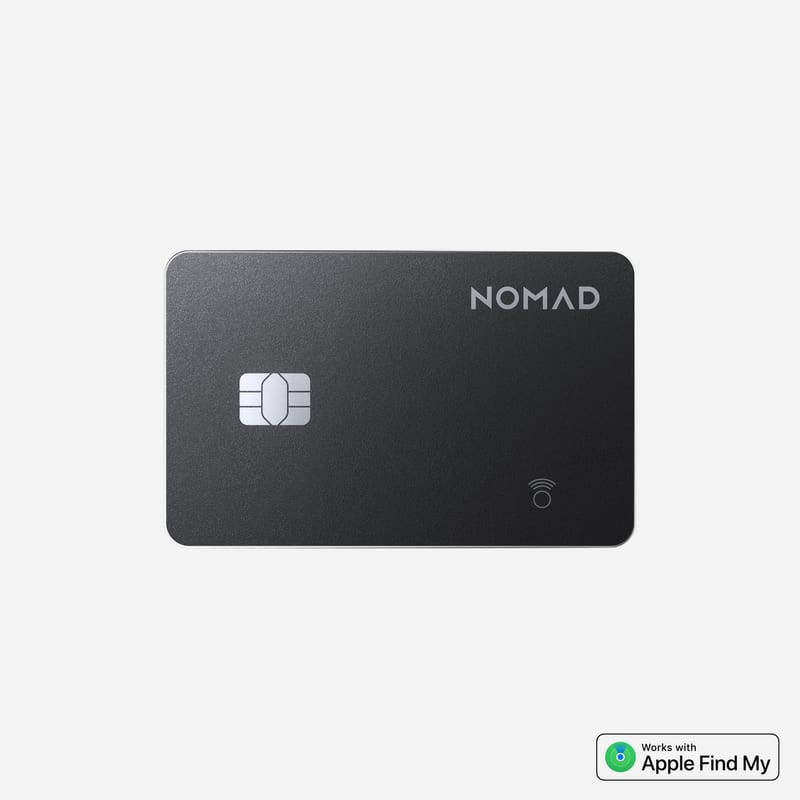
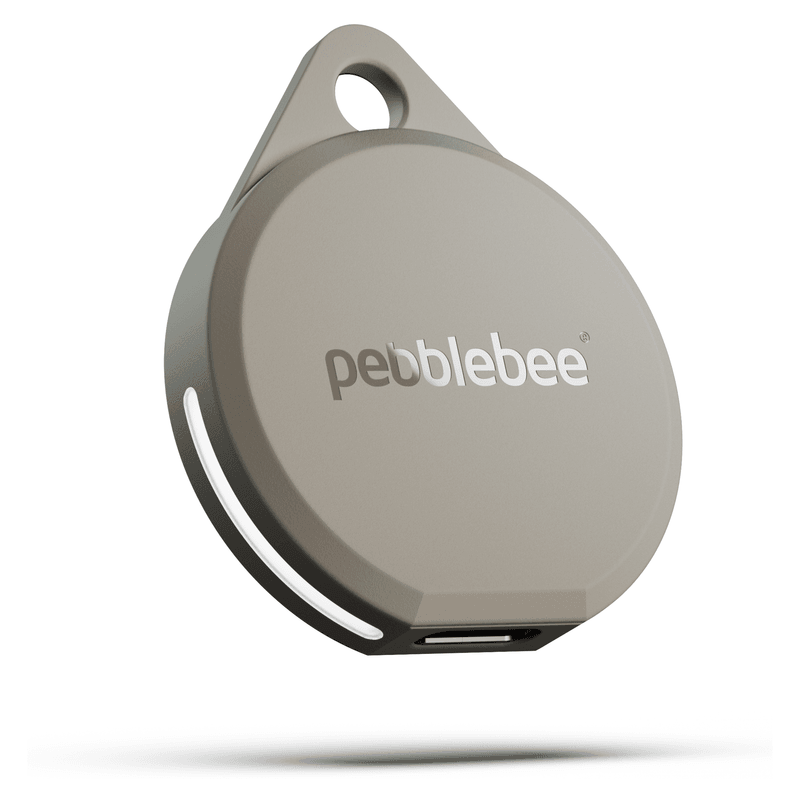
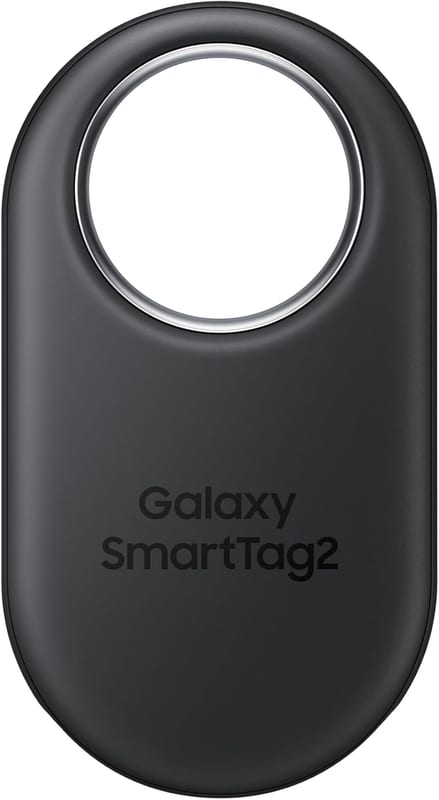
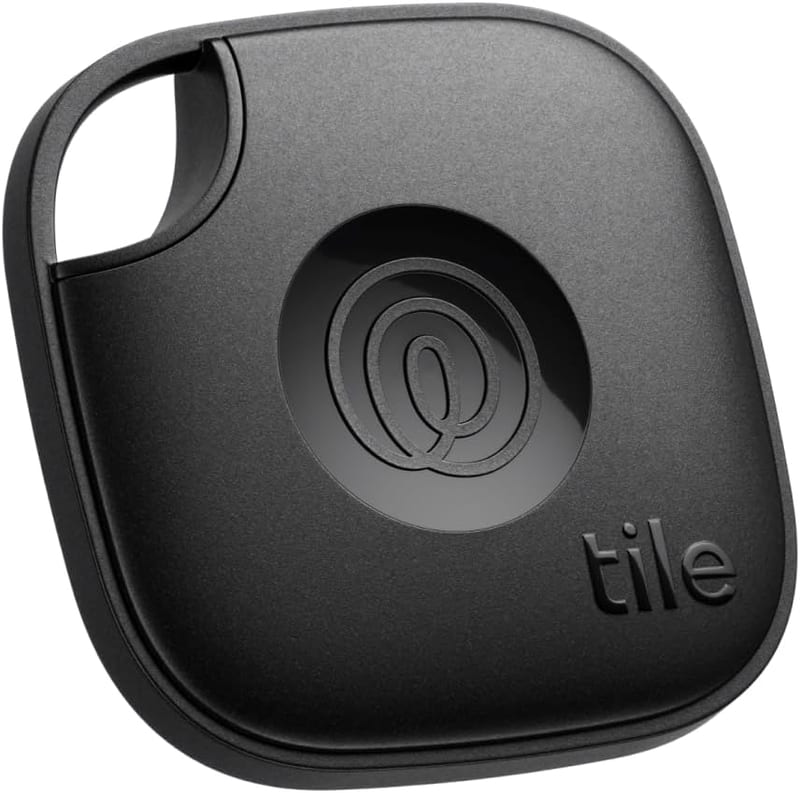
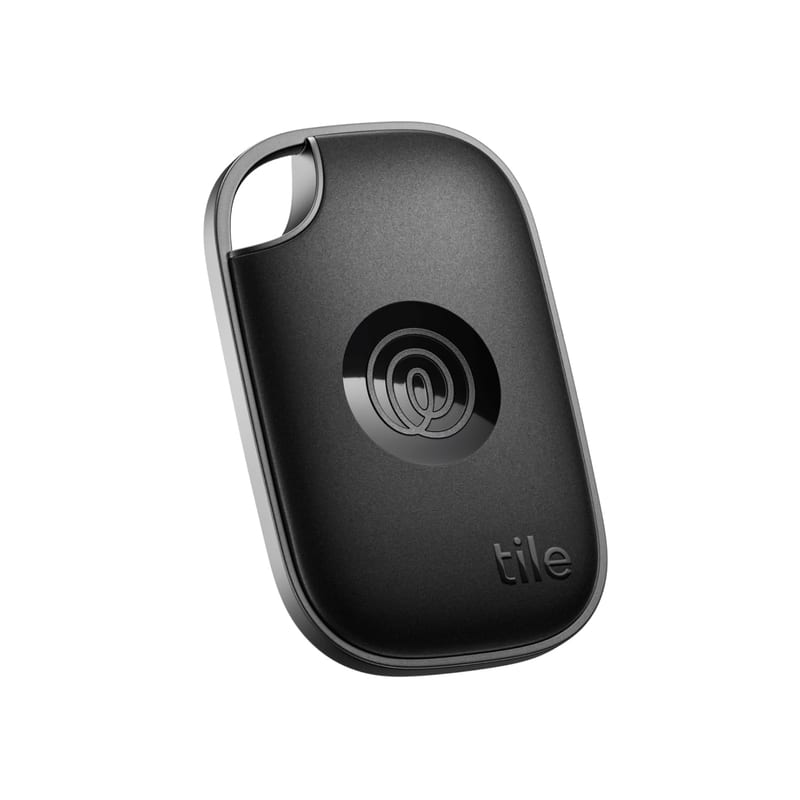
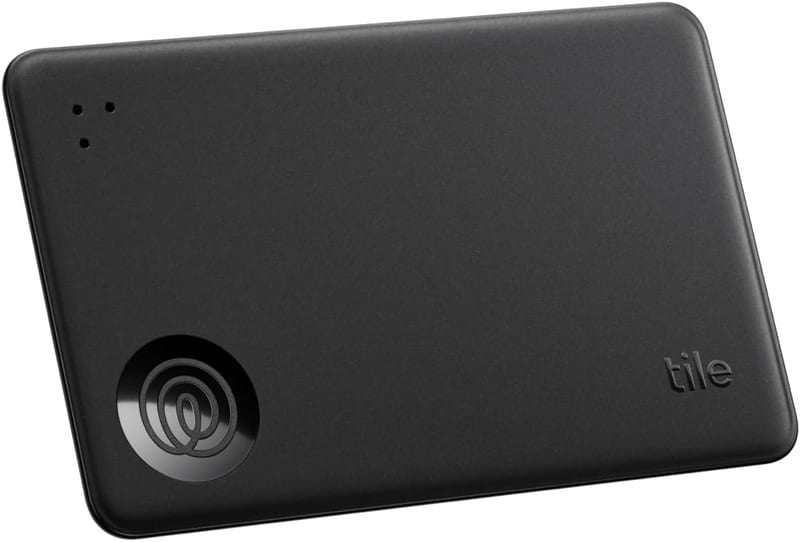
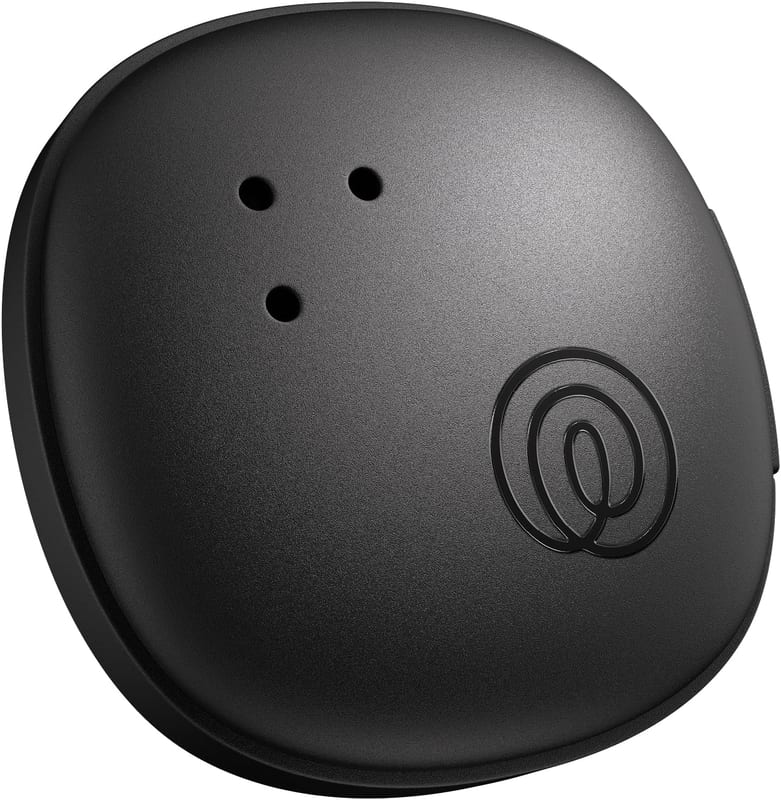
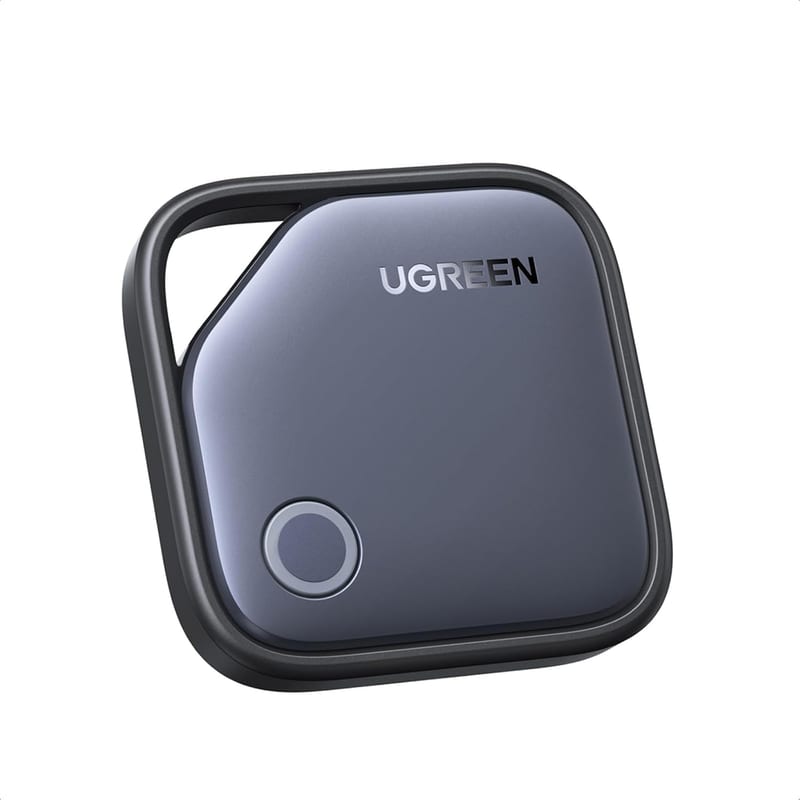
The lineup: Apple's AirTag (2nd generation), new this January. Samsung's Galaxy SmartTag2 and Motorola's Moto Tag 2, the Android UWB pair. Chipolo's entire current family (the keyring Pop, the rechargeable Loop, and the wallet Card). Pebblebee's Gen 5 duo (Clip 5 and Card 5). All four current Tiles (Mate, Pro, Slim, Sticker, the 2024 refresh). eufy's SmartTrack Link and SmartTrack Card E30. Nomad's aluminum Tracking Card Pro. UGREEN's FineTrack Smart Finder. And the Atuvos Air Tracker Tag, the budget clone that outsells half this table.
The network is the product, the plastic is packaging
Six of the seventeen speak only Apple Find My: the AirTag 2, both eufys, the UGREEN, the Atuvos, and the Nomad. That buys them the largest finding network in existence, over a billion Apple devices that relay sightings automatically, and it costs them every Android household on the planet. One speaks only Google: the Moto Tag 2 lives on Find Hub, which is what Google renamed its Find My Device network in 2025, and it covers most of the world's Android phones. Samsung's SmartTag2 is stricter still. It requires a Samsung Galaxy phone, not merely Android, which per Android Police's review is the one flaw in an otherwise excellent tracker.
Five hedge: the three Chipolos and both Pebblebees pair with Apple's network or Google's, your choice. The asterisk deserves its own exhibit:
Universal. Works with both Apple Find My and Google Find Hub, so the whole family can use it.
One network at a time. Moving a tag from iPhone to Android means a factory reset and a fresh pairing, per Engadget's testing of both brands.
Then there is Tile, which runs its own network out of the Life360 app family and joined neither giant. The pitch is independence and a claimed 80-million-user app base; the practice, per CNN Underscored's testing, is that Tile's crowd finds things noticeably less often than Apple's or Google's. Two more Tile-specific wrinkles: left-behind alerts sit behind a paid Tile Premium or Life360 membership, features every other brand here includes free, and Georgia Tech researchers reported in late 2025 that Tile tags broadcast a static MAC address and predictable rotating IDs unencrypted, a genuine stalking-risk finding covered by The Register. Life360 says fixes are coming. The table remembers.
Slopsheets says: Pick the crowd before you pick the plastic. An iPhone household should shop the Find My column, an Android household the Find Hub column, and a mixed or undecided household should pay the ten extra dollars for a Chipolo or Pebblebee that can defect when you do. Everything else in this comparison is a tiebreaker.
Precision finding: three tags can point, the rest can only yell
Ultra-wideband is the difference between "your keys are home" and an arrow on your phone reading four feet, behind the cushion. The AirTag 2's second-generation chip stretches that arrow out to roughly 200 feet, about 1.5 times the original's reach by Apple's own numbers, and Tom's Guide's review calls the result the most findable tracker it has tested. The SmartTag2 does the same trick for Samsung owners, provided the phone itself has UWB, which mostly means the Ultra models. The Moto Tag 2 is the only Find Hub tag with UWB, and 9to5Google notes its party piece, Bluetooth Channel Sounding for exact distances, needs a Bluetooth 6.0 phone running Android 16. Own a 2026 flagship and it's the future; own anything else and it's a very durable IP68 beeper.
The other fourteen compensate with volume, and some compensate hard. Chipolo rates the Loop at 125 decibels and CNN Underscored measured 112 in testing, among the loudest it has recorded. The Pebblebee Clip 5 adds an LED strobe to a siren mode, which Cult of Mac found genuinely easier to find in the dark than any beep. At the quiet end, the eufys and the UGREEN hover around 80 decibels, roughly a doorbell heard from the next room, and a couch cushion eats most of it.
The catch: UWB only points if your phone can hear it. Precision finding needs a UWB phone on the same ecosystem as the tag: recent iPhones for the AirTag, UWB Galaxys for the SmartTag2, and a 2026-class Android for the Moto Tag 2's best mode. On any other phone all three degrade into ordinary, if loud, Bluetooth tags.
Range numbers are grown in a field, you live in a house
Every rated range in our table is a line-of-sight number: two devices, open air, no walls, no bodies, no refrigerator. Nobody loses their keys in a field.
Read the column as a ranking, not a promise. The 500-foot claims (Tile Pro, Pebblebee Clip 5 and Card 5) will outreach the 300-foot claims in the same house, but all of them collapse to a floor or two of a real building. Two honesty notes from the fine print: Apple publishes no range figure at all for the AirTag, so our 330 feet is the widely reported independent estimate, and UGREEN's own FAQ rates the FineTrack at 10 to 20 meters in practice, which is why its 65 feet sits so far below its neighbors. That candor costs it the sort order and earns it some respect.
What the box won't tell you: Personal range barely matters, because the crowd network exists precisely for everything beyond it. Your phone's own radio only has to reach things you mislaid at home. For the airport, the bus, and the bar, the relevant range is the size of the finding network, which is the first section of this article wearing a different hat.
Batteries: swap it, charge it, or bin the whole thing
The seventeen split into three tribes. Eight run on coin cells you replace: the AirTag 2, SmartTag2, Moto Tag 2, Chipolo Pop, Tile Pro, eufy Link, UGREEN, and Atuvos all take the CR2032 sold at every gas station, with rated lives from a year (Apple, Chipolo, Atuvos, eufy) through 16 months (Samsung, Motorola) to UGREEN's two years. Six recharge: the Chipolo Loop and Pebblebee Clip 5 over USB-C, the Chipolo Card, Pebblebee Card 5, and Nomad Pro on any Qi pad, and the eufy E30 through a small magnetic adapter you must not lose. Notebookcheck's take on the E30 applies to the whole rechargeable tribe: a card that recharges doesn't become electronic waste when the cell runs down.
Which leaves the third tribe. The Tile Mate, Slim, and Sticker seal a three-year battery inside a case that never opens. Thirty-six months is the biggest number in our battery column, and it is also a countdown: when it hits zero you don't change a battery, you buy another Tile. Tom's Guide's Slim review, which declined to recommend a wallet card on exactly those grounds, treats that as disqualifying in 2026. Reasonable.
One more thing the column can't show: battery ratings are software promises. Chipolo shipped the Loop and Card rated at six months, then re-rated both to a full year in April 2026 after Google's Find Hub power optimizations, as 9to5Google reported. The same tag, the same cell, double the rating, because the network got politer about waking it up.
Don't overpay for: month counts. Any tracker here survives a year of being lost under things. What you're actually choosing is the failure mode: a dead coin cell is a two-dollar errand, a dead rechargeable is a habit you forgot to have, and a dead sealed Tile is a funeral.
Water resistance: your keys do not live indoors
The table's water column runs from nothing to IP68, and it maps neatly onto how each product expects to be treated. The Moto Tag 2 and all four Tiles rate IP68, survive-a-dunk territory. The IP67 cluster (AirTag 2, SmartTag2, Atuvos, Chipolo Loop and Card) shrugs off puddles, rain, and the washing machine's opening minutes. Nomad's IPX7 card handles immersion but makes no dust promise, the Pebblebees' IP66 stops jets but not a swim, and the Chipolo Pop's IP55 wants to stay in your pocket during storms. Two products skip the rating entirely: eufy publishes no IP number for the E30, and UGREEN offers none for the FineTrack, which for objects that live on keyrings and in wallets is a strange line to leave blank.
So which tracker should you buy?
- Best overall for iPhone: the Apple AirTag 2. The biggest network, the longest precision-finding reach, a swappable battery, and the same price as the plastic that imitates it. Its one honest flaw is needing a keyring accessory because Apple still won't drill a hole.
- Best for Android, and for fence-sitters: the Chipolo Loop. CNN Underscored's top tracker of 2026 rings loud enough to find through a closed door, recharges over USB-C, carries its own strap, and re-pairs to either giant's network when you switch sides.
- Best budget tracker: the Atuvos Air Tracker Tag. Same Find My network as the AirTag, a lanyard hole Apple won't give you, and a price that lets you tag three bags for the cost of one fruit-branded puck. No precision finding, and the badge impresses nobody.
- Best for wallets: the Pebblebee Card 5. Thinner than two credit cards, an 18-month rechargeable battery that tops up on a Qi pad, and it works for whichever phone you carry next year.
- For Samsung households: the Galaxy SmartTag2 is quietly one of the best trackers made, with UWB and a 16-month cell, and it will never work for the one family member with an iPhone.
- For the Tile faithful: the Tile Pro is the only one to buy, because it is the only current Tile whose battery you can change. Go in knowing the network is smaller and the best alerts cost a subscription.
The through-line for all seventeen: the spec sheet is mostly the radio, and the radio was never the point. Buy the network your household already carries in its pockets, insist on a battery with an exit strategy, and let the range column break ties.
Frequently asked questions
Do Bluetooth trackers work with both iPhone and Android? A few do, with a catch. The Chipolo Pop, Loop, and Card and the Pebblebee Clip 5 and Card 5 pair with either Apple Find My or Google Find Hub, but only one network at a time; switching means factory-resetting the tag. AirTags and the other Find My tags are iPhone-only, the Moto Tag 2 is Android-only, the SmartTag2 is Samsung-only, and Tile's app runs on both but uses Tile's own smaller network.
Is UWB precision finding worth paying for? If your phone supports it, yes. It turns the last 30 feet of a search, which is where most searches actually happen, into following an arrow. Only the AirTag 2, Galaxy SmartTag2, and Moto Tag 2 have UWB, and each requires a matching UWB-equipped phone from its own ecosystem. Without one, a loud speaker (the Chipolo Loop is rated at 125 dB) is the better spend.
Why is my tracker's real range so much shorter than the box says? Range is rated line-of-sight in open air, and walls, floors, and human bodies each take a large bite. Tom's Guide measured the Tile Pro's 500-foot rating at roughly 120 feet in real-world testing, and similar shrinkage applies to every brand. Ratings work as a relative ranking, not a promise of feet.
Do any of these trackers need a subscription? Core finding is free on all seventeen. Tile is the only brand here that gates everyday features, notably left-behind Smart Alerts and item reimbursement, behind Tile Premium or a Life360 membership. Every Find My and Find Hub tag includes separation alerts at no charge.
Can I fly with a Bluetooth tracker in checked luggage? Yes. Coin-cell and small lithium trackers are permitted in checked bags under FAA rules, and tracking your own suitcase is one of the category's best uses. The AirTag 2 goes further: its Share Item Location feature lets you hand a lost bag's position to more than 50 partner airlines directly.
Sources / further reading
- Tom's Guide, Apple AirTag 2 review
- Macworld, AirTag (2nd generation) review
- CNN Underscored, the best Bluetooth trackers tested
- Engadget, the best Bluetooth trackers
- Tom's Guide, Chipolo Pop review
- MacRumors, Chipolo Loop and Card review
- 9to5Google, Chipolo battery re-rating after Find Hub optimizations
- 9to5Google, Moto Tag 2 US launch details
- Tom's Guide, Samsung Galaxy SmartTag2 review
- Android Police, Galaxy SmartTag2 review
- Tom's Guide, Tile Pro (2024) review with range testing
- Tom's Guide, Tile Slim (2024) review
- Tom's Guide, Tile Mate (2024) review
- The Register, Georgia Tech research on Tile's unencrypted broadcasts
- Cult of Mac, Pebblebee Clip 5 review
- AppleInsider, Nomad Tracking Card Pro review
- Notebookcheck, eufy SmartTrack Card E30
- How-To Geek, UGREEN FineTrack review
- BGR, best Bluetooth trackers roundup