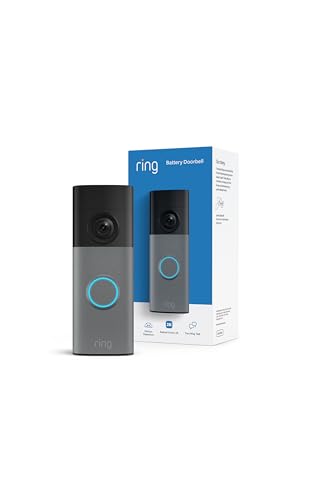
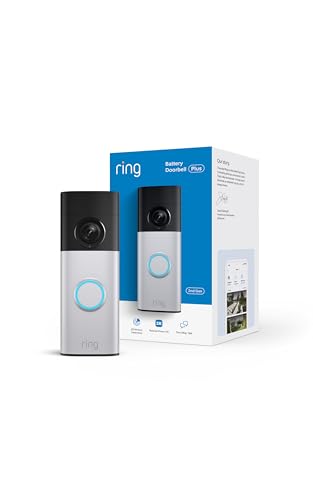
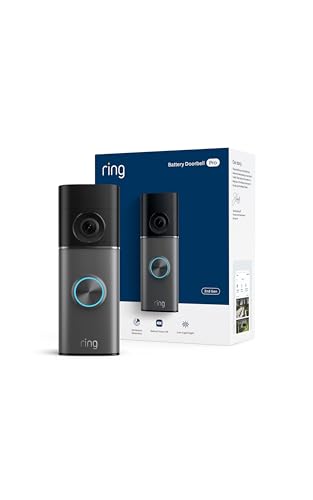
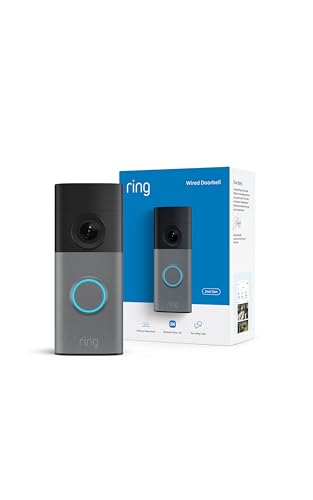
Nineteen video doorbells, and the spec that decides most of them isn't the number printed biggest on the box. It's the shape of the picture, the small print behind the field-of-view figure, and whether the doorbell saves footage to storage you own or holds it behind a monthly bill. The sortable table and "check price" buttons live above this article. Down here we translate the spec sheets into what they mean on an actual porch.
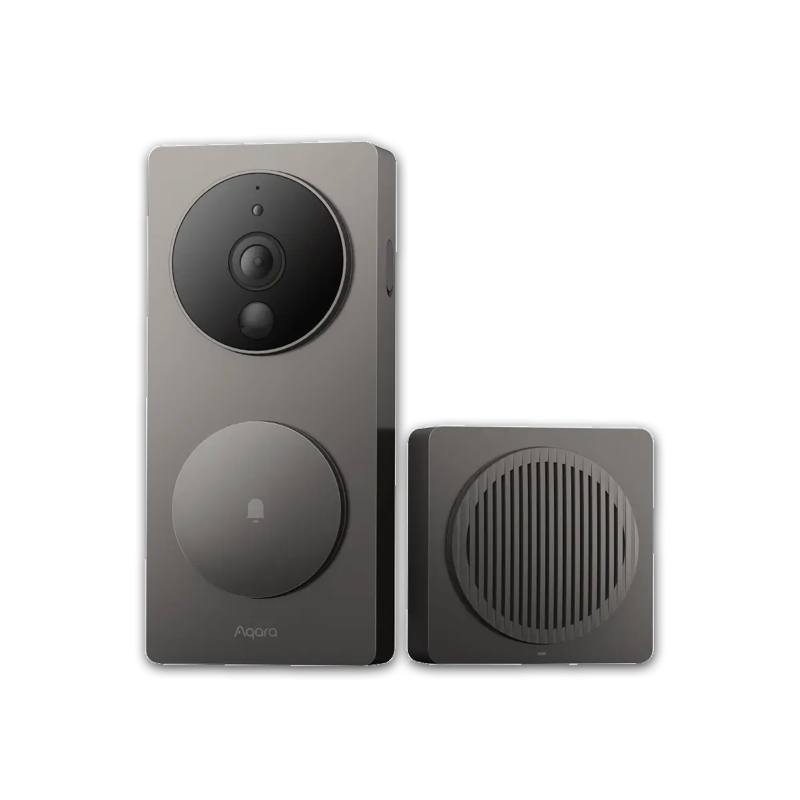
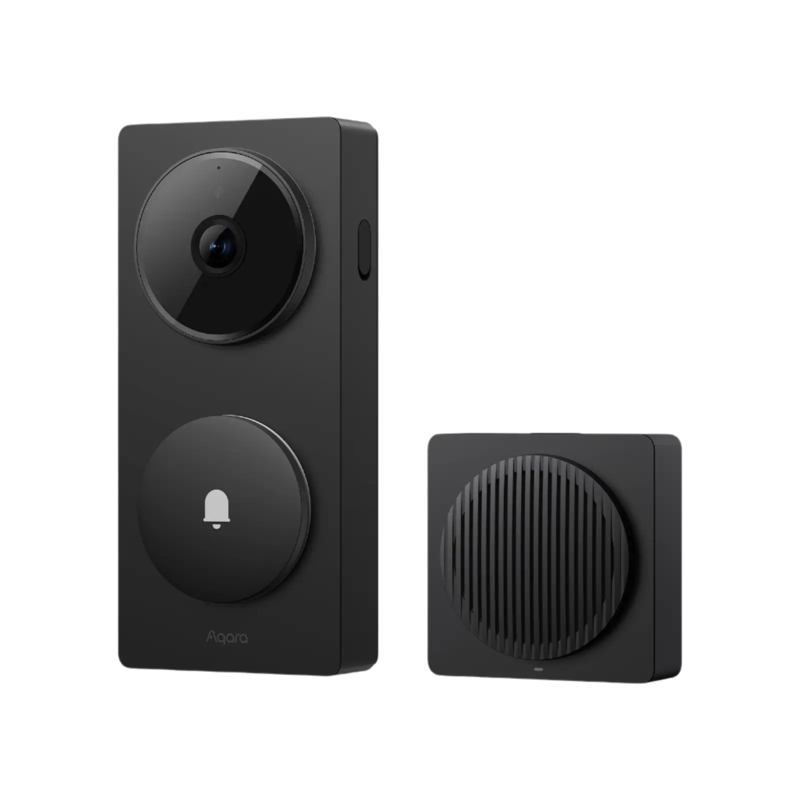
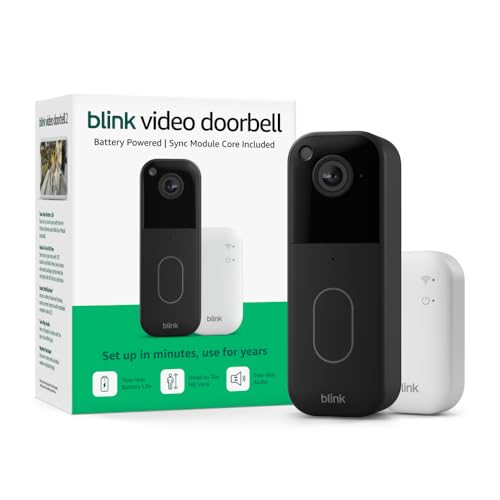
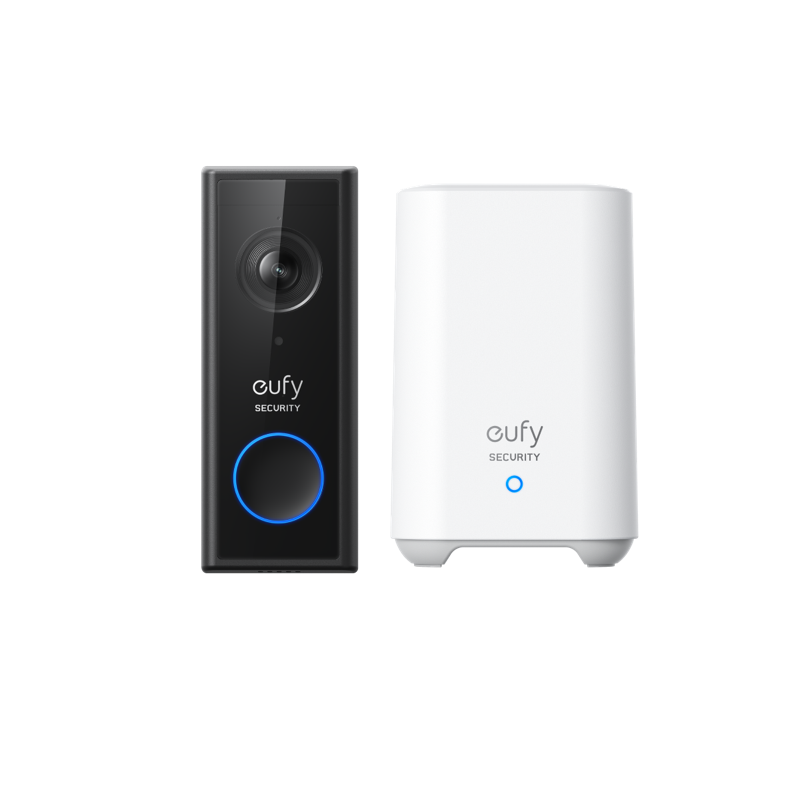
The lineup: five from Ring (the Battery Doorbell, Battery Doorbell Plus, Battery Doorbell Pro, Wired Doorbell Pro, and Wired Doorbell, all in their latest generation), plus Amazon's cheaper Blink Video Doorbell. From Google, the new Nest Doorbell (wired, 3rd gen) and the older Nest Doorbell (battery). The Arlo Video Doorbell 2K. Two from Wyze, the Video Doorbell Pro and the Battery Video Doorbell. Two from eufy, the S220 and the dual-camera E340. Two from Aqara, the G4 and the G410. And one each from TP-Link (Tapo D235), Reolink, Lorex, and SimpliSafe.
Resolution: 2K is the floor now, and only two shoot 4K
For years a doorbell meant 1080p. That era is basically over. Most of this group lands in what everyone now markets as 2K, and the real outliers go in both directions.
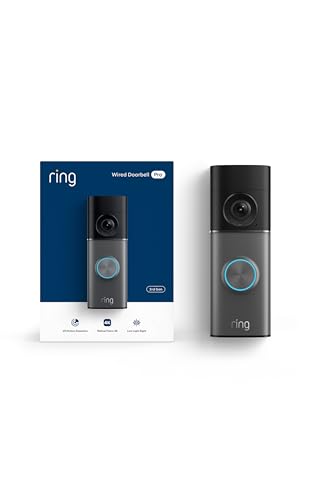
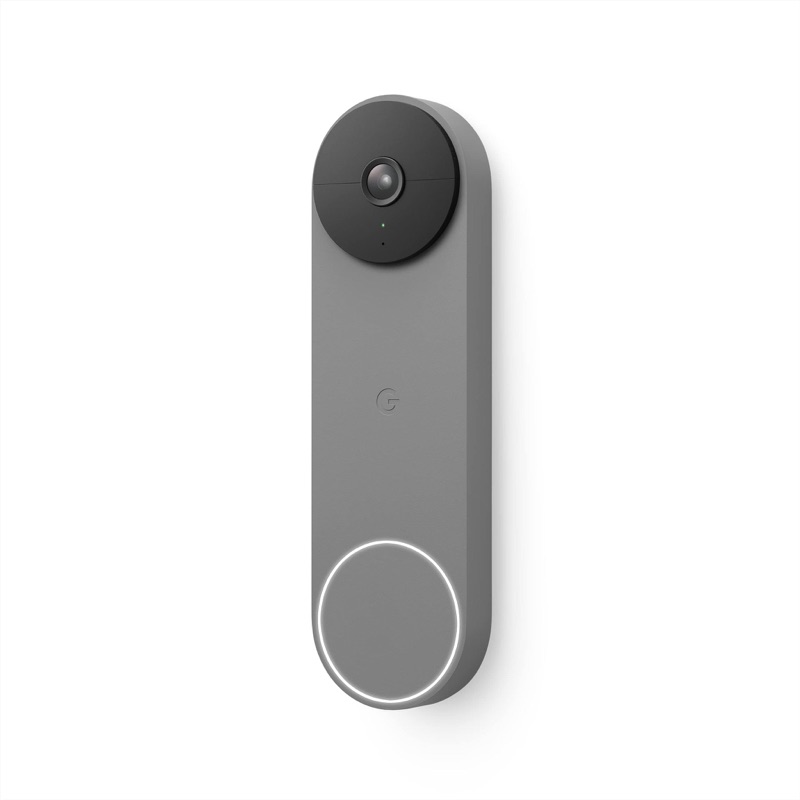
Two doorbells here are genuinely 4K, and both are Ring's newest: the Battery Doorbell Pro and the Wired Doorbell Pro record at 2,880 by 2,880 on Ring's "Retinal 4K" sensor. Tom's Guide, which reviewed the wired model, treats it as the sharpest doorbell Ring has shipped. At the other end, only three are still 1080p: the Aqara G4, the SimpliSafe Video Doorbell Pro, and Google's battery Nest, which actually records at a tall 960 by 1,280.
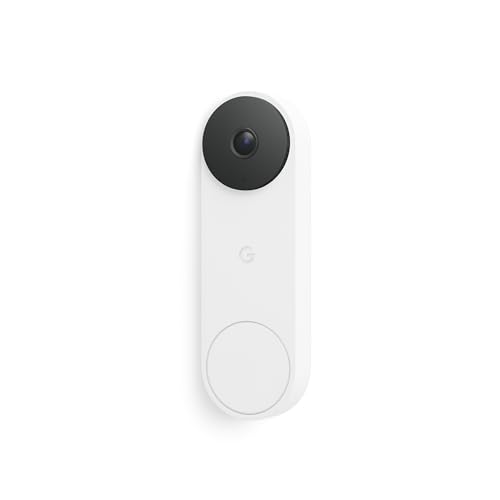
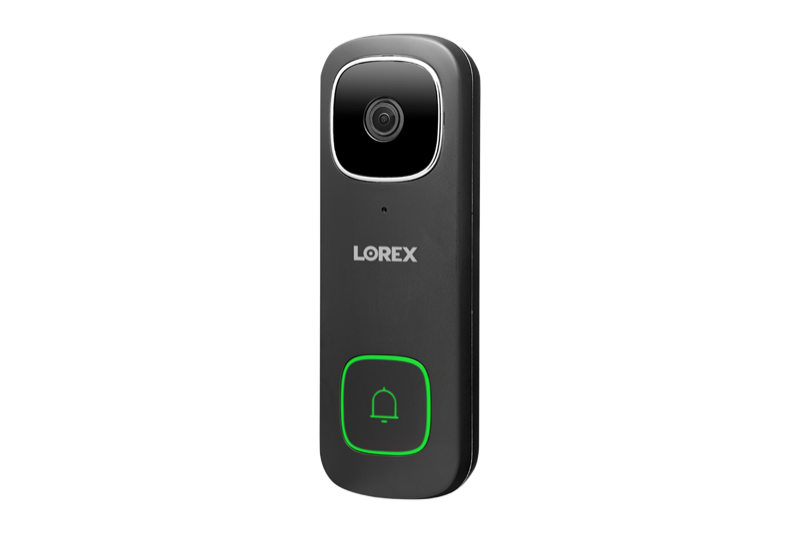
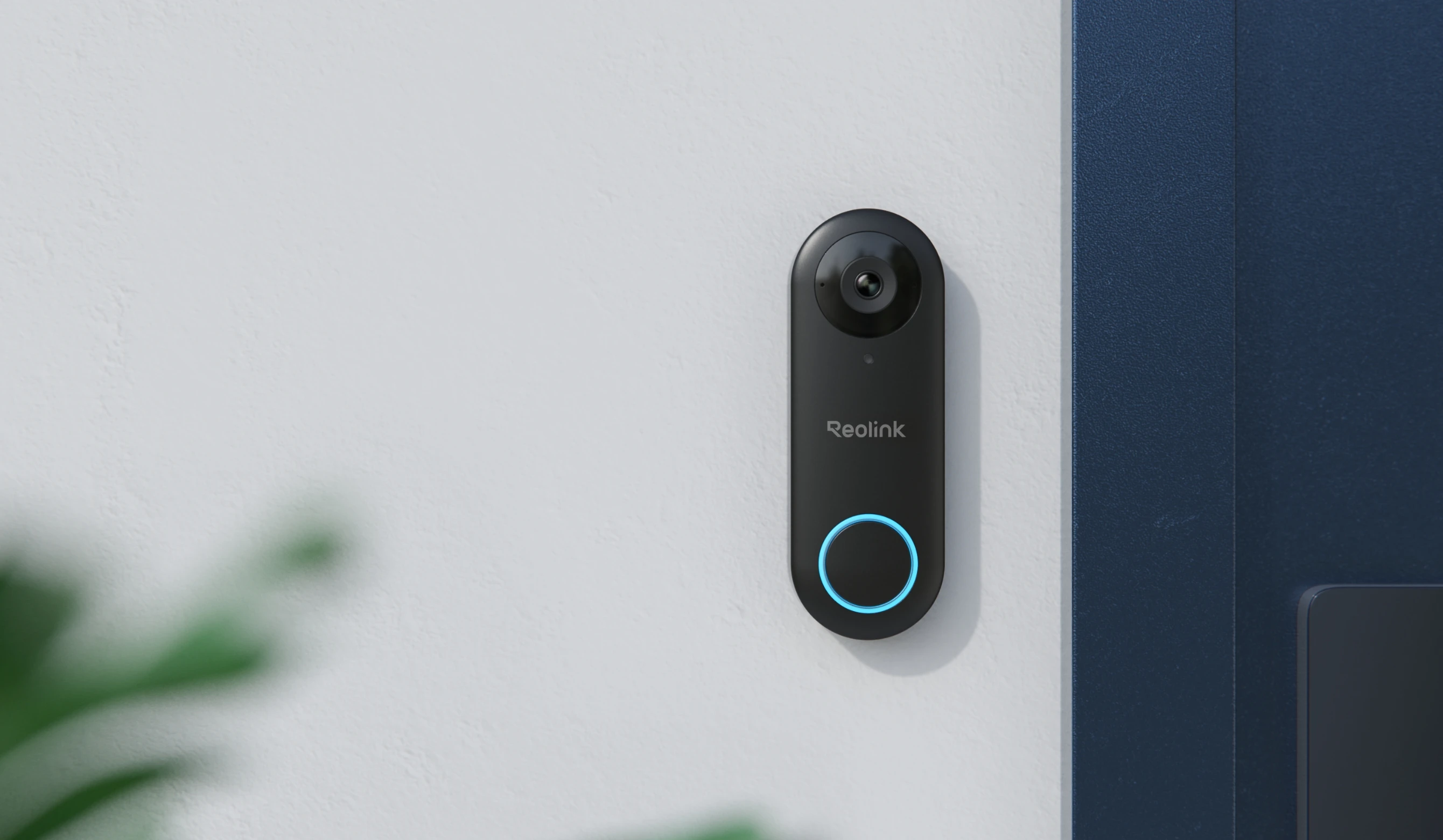
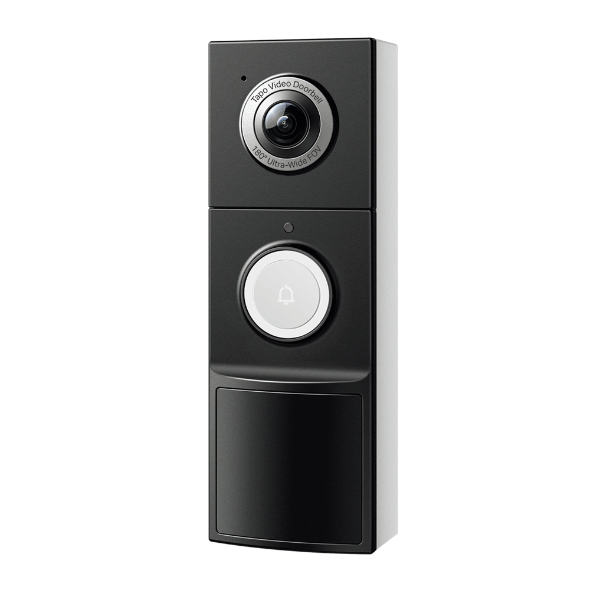
Everything in between reads as 2K, but the pixel counts vary more than the label suggests. Reolink and TP-Link's Tapo D235 push a true 5-megapixel sensor at 2,560 by 1,920, as does the Lorex. Aqara's G410 and eufy's E340 sit at 2,048 by 1,536. The current Ring 2K models and the Arlo shoot square, around 1,900 pixels a side. Google's new wired Nest is a square 2,048 by 2,048 with HDR, per Google's own specifications.
Slopsheets says: Buy 4K here only if you want to crop in hard on a license plate or a face at the curb, and know that Ring's two 4K models both need a paid plan before they'll save that footage. For most porches, any of the 2K sensors resolves a face and a package label fine. The number to distrust is the marketing word "2K," which covers everything from 1,536 to 2,560 pixels wide.
Aspect ratio: the spec that decides whether you see the package
This is the setting nobody puts on the front of the box, and it matters more than the resolution. A doorbell's aspect ratio decides the shape of what it sees. A wide 16:9 crop is built for a living-room TV, not a doorway, so it shows you a visitor's chest and misses the box on the mat. A tall or square frame catches the whole person and the ground in front of them.
A 16:9 frame sounds like more picture, the same shape as your living-room TV.
16:9 is built for TVs, so it shows a visitor's chest and misses the box on the mat. A square or 4:3 frame catches the whole person and the ground.
The manufacturers have mostly figured this out. Ring, Blink, Wyze, Arlo's 2K, and Google's new wired Nest all use a square 1:1 sensor, which is why Ring keeps advertising a "head to toe" view. eufy, Aqara's G410, the Tapo D235, Reolink, and Lorex use a 4:3 frame that is taller than it is wide. Google's battery Nest goes fully portrait at 3:4. As eufy and TP-Link both point out in their own materials, that taller shape is what lets you see a parcel at the door rather than guessing.
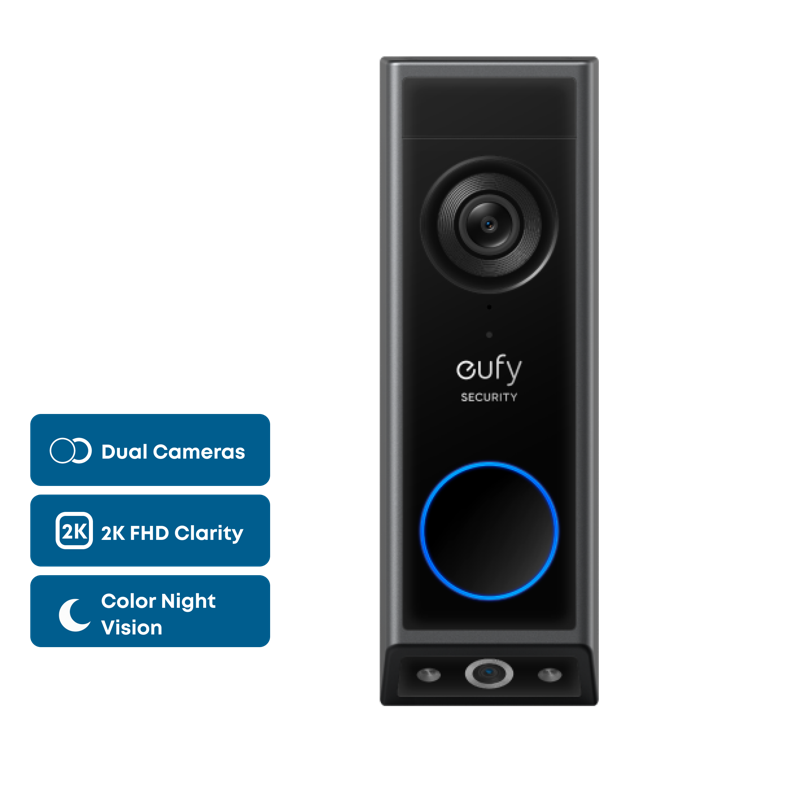
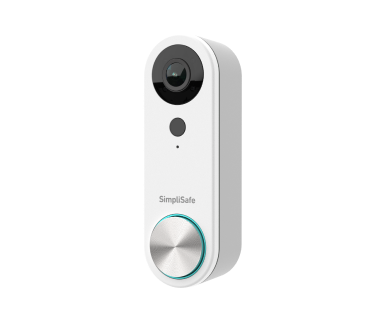
Two doorbells sit on the wrong side of this. The Aqara G4 and the SimpliSafe Video Doorbell Pro both shoot 16:9. They are not bad cameras, but you will see less of your doormat than a cheaper square-sensor model gives you. The clever exception is eufy's E340, which sidesteps the argument entirely by adding a second camera pointed straight down at the step, so the package gets its own dedicated view.
The one rule: If catching deliveries is why you're buying a doorbell, aspect ratio beats megapixels. A square or 4:3 sensor at 2K will serve you better than a wider 16:9 sensor at a higher pixel count. The eufy E340's second downward camera is the most honest answer to the package problem in this whole group.
Field of view: an even slipperier number than the megapixels
Here is where the spec sheets stop lining up. Every brand quotes a field of view in degrees, and a bigger number sounds like more porch. The trouble is that they are not all measuring the same thing, so the number in our table carries a second column telling you how it was measured.
Ring, Blink, and Wyze publish the horizontal and vertical angle of their square sensors, both around 140 to 150 degrees. Google, Arlo, Aqara, TP-Link, Reolink, and Lorex publish the diagonal angle instead, which is always a larger figure for the same lens. So Arlo's headline 180 degrees and Ring's 140 are not the gap they look like. Arlo is measuring corner to corner; Ring is measuring side to side. eufy and SimpliSafe, meanwhile, print a wide-angle figure of about 160 degrees without saying which axis it is, which is the least useful way to quote it.
Once you sort by measurement type, the real coverage leaders are the 4:3 models quoting a genuine 180-degree diagonal: the Tapo D235 and the Reolink, with the Arlo right there among the square sensors. Google's wired Nest at 166 degrees diagonal is wide for a 1:1 doorbell. The tighter fields belong to Google's battery Nest at 145 degrees and the Ring and Wyze square sensors, though a square frame uses its pixels efficiently, so a 140-degree Ring still shows you head to toe.
The catch: Don't rank these on the degree number alone. A 180-degree diagonal and a 140-degree horizontal can cover a similar doorway. Read the "measured as" column first, then compare like with like. When a brand won't tell you which axis it measured, assume the flattering one.
Power: battery, wired, or take your pick
How the doorbell gets electricity decides how hard the install is and whether you're ever on a ladder with a charger. The group splits three ways.
Ten of them run either way, on a rechargeable battery or on your existing doorbell wiring, and you choose at install time: Blink, the battery Nest, the Arlo 2K, both Wyze models, both eufy models, both Aqara models, and the Tapo D235. That flexibility is genuinely useful, and reviewers at PCWorld and Tom's Guide keep flagging the Arlo specifically for doing both well.
Ring splits its own lineup on purpose. The three "Battery" models are battery-first (you can trickle-charge them off a transformer, but they ship to go cordless), while the two "Wired" models need low-voltage doorbell wiring and never carry a battery. The remaining wired-only doorbells are Google's new 3rd-gen Nest, the Reolink, the Lorex, and the SimpliSafe. Those four want existing wiring or a plug, full stop.
Hardwire if you can: If you have working doorbell wiring, hardwire whatever you buy and never think about charging again. If you don't, and you'd rather not run a wire, the ten battery-or-wired models are your list, and Ring's three Battery doorbells if you're set on Ring. The wired-only four are the wrong call for a house with no existing chime circuit.
Local storage versus the monthly bill
This is the line that quietly separates the whole category, and it's the one we care about most. Some of these doorbells record to storage you own, a microSD card or a small hub, and cost nothing after you buy them. Others record nothing at all unless you pay a monthly subscription, and the hardware is effectively a paperweight without it.
The no-subscription camp is the larger one here. eufy built its brand on it: the S220 and E340 store footage locally with no recurring fee. Aqara's G4 and G410, the Tapo D235, the Reolink, and the Lorex all take a microSD card and record to it. Wyze's Battery Video Doorbell does too. Amazon's Blink can record locally, but only once you add a Sync Module 2 or XR to hold the storage, so budget for that.
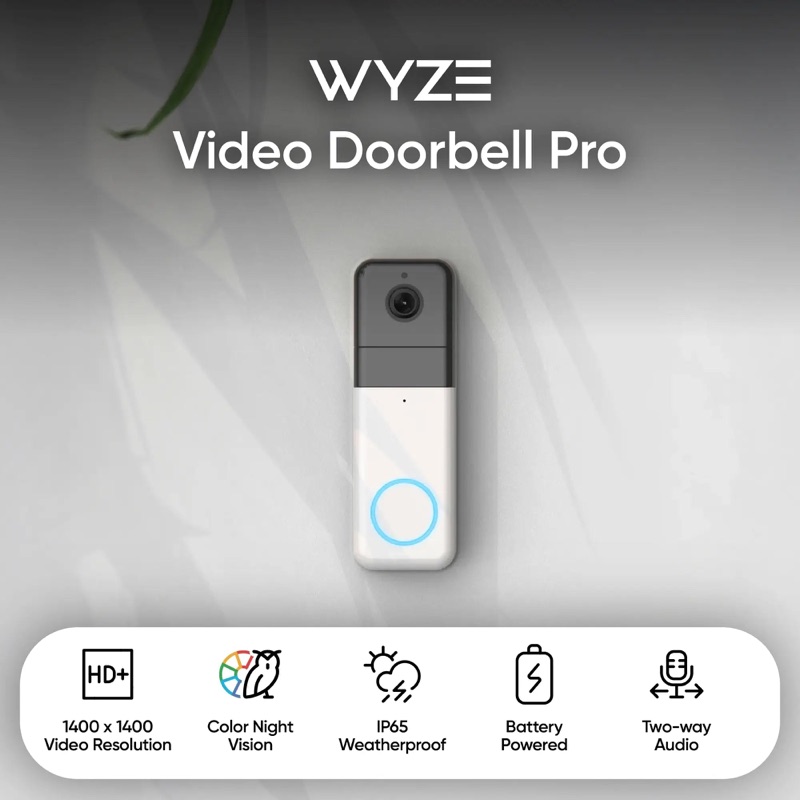
Then there's the subscription camp. Every Ring doorbell needs a Ring Home plan to save and review footage, as Ring's own support pages spell out. Both Nest models lean on Google's cloud, with only limited free event history and no local recording. Arlo's 2K requires an Arlo Secure plan for recordings, and SimpliSafe's doorbell wants a paid plan too. And watch the trap inside Wyze's own range: the older Video Doorbell Pro has no card slot and is cloud-only, while the newer Battery model added the microSD slot. Same brand, opposite answer.
What the box won't tell you: If you don't want another monthly bill, your real shortlist is eufy, Aqara, Tapo, Reolink, Lorex, and the Wyze Battery, with Blink if you add its storage module. Ring, Nest, Arlo, and SimpliSafe are fine cameras, but price in the subscription for the life of the device, because without it they barely function as security cameras.
So which video doorbell should you buy?
- No subscription, best overall: eufy Video Doorbell E340. The dual-camera setup gives you a 2K view of the visitor and a separate downward view of the package, and it records locally with no monthly fee.
- Sharpest picture: Ring Wired Doorbell Pro (3rd Gen), the only true 4K here. Just remember it needs a Ring Home plan to save anything, and it wants existing doorbell wiring.
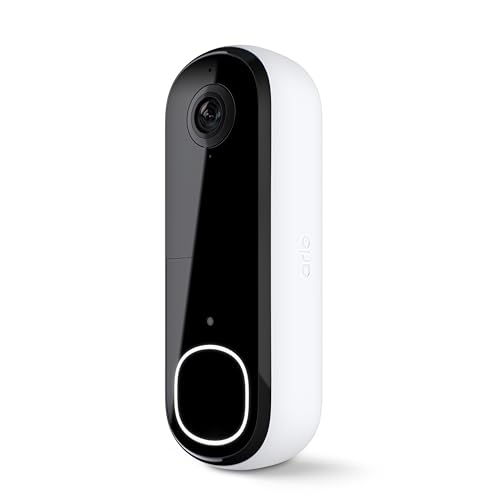
- Widest head-to-toe coverage: Arlo Video Doorbell 2K. A square 2K sensor with a 180-degree diagonal view that installs on battery or wiring, though recordings are subscription-gated.
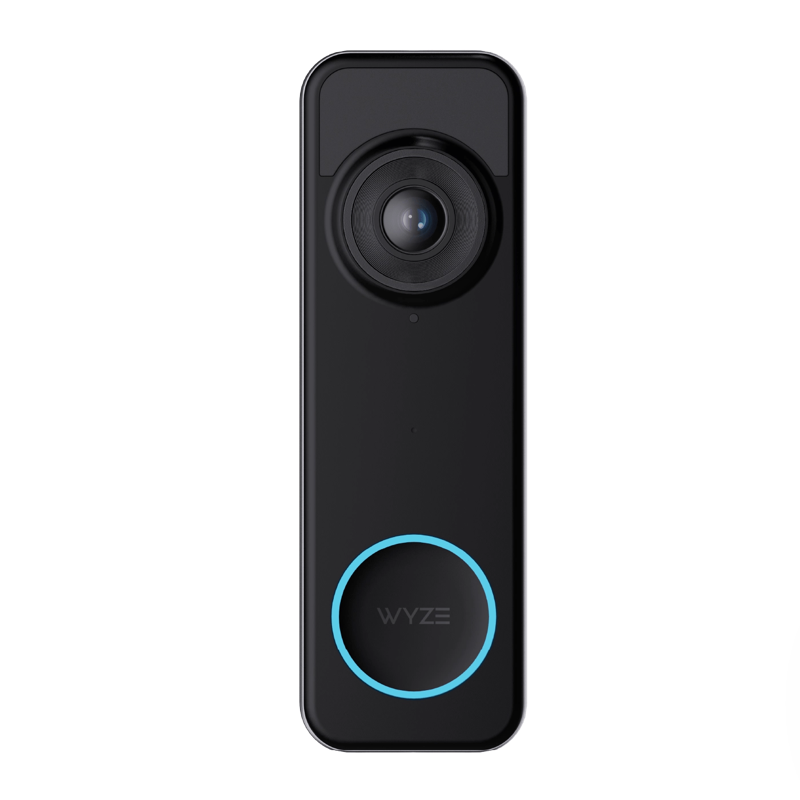
- Budget with local storage: Wyze Battery Video Doorbell. A 1:1 sensor that sees the doormat, a microSD slot, and no subscription, for the least money in the group.
- Deep in Apple Home: Aqara G410. A 4:3 2K doorbell with a 175-degree diagonal view and local storage that also supports HomeKit Secure Video.
- Simplest cheap wired option: Reolink Video Doorbell WiFi or Lorex 2K. Both are wired-only 5MP/2K cameras with card storage and no fees, if you already have a wire at the door.
The pattern across all nineteen is the same: pick the two things you actually care about, usually "do I want to pay monthly" and "will it catch the package," and the rest of the spec sheet sorts itself out. The megapixel number is the last thing to worry about, not the first.
Frequently asked questions
Which video doorbells work without a monthly subscription? In this group: eufy S220 and E340, Aqara G4 and G410, TP-Link Tapo D235, Reolink Video Doorbell WiFi, Lorex 2K, and the Wyze Battery Video Doorbell all record to local storage with no fee. Blink can too, once you add a Sync Module for storage. Every Ring and Nest model, the Arlo 2K, the SimpliSafe, and the older Wyze Video Doorbell Pro need a paid plan to save footage.
Why does aspect ratio matter more than resolution on a doorbell? Because a doorbell has to see a tall, narrow scene: a person from head to toe and a package on the ground. A square (1:1) or 4:3 frame captures that; a wide 16:9 frame, built for TVs, cuts off the doormat. A 2K square sensor will usually show you more of what matters than a higher-resolution 16:9 one.
Are the field-of-view numbers comparable across brands? Not directly. Ring, Blink, and Wyze publish the horizontal and vertical angle (around 140 to 150 degrees), while Google, Arlo, Aqara, TP-Link, Reolink, and Lorex publish the larger diagonal angle. A 180-degree diagonal and a 140-degree horizontal can cover a similar doorway, so check how each figure was measured before you compare them.
Which doorbell here shoots 4K? Only the Ring Battery Doorbell Pro and the Ring Wired Doorbell Pro, both at 2,880 by 2,880. Both still require a Ring Home subscription to record. The rest top out at 2K or 5MP.
What's the best doorbell for catching package deliveries? The eufy E340, because it adds a second camera aimed straight down at the step. Failing that, any tall 4:3 or square 1:1 sensor (eufy, Aqara G410, Tapo, Reolink, Lorex, or the square Ring, Arlo, and Wyze models) will show the doormat far better than a 16:9 camera.
Sources / further reading
- Ring, Battery Doorbell Pro (2nd Gen)
- Ring, Wired Doorbell Pro (3rd Gen)
- Tom's Guide, Ring's 2K and 4K doorbell lineup
- Google, Nest camera and doorbell technical specifications
- Tom's Guide, Google Nest Doorbell (wired, 3rd gen) review
- Arlo, Video Doorbell 2K (2nd Gen) spec sheet (AVD4001)
- PCWorld, Arlo Video Doorbell 2K review
- Wyze, Battery Video Doorbell
- eufy, Video Doorbell E340 specifications
- PCWorld, Aqara Doorbell Camera Hub G410 review
- TP-Link, Tapo D235 smart video doorbell
- Reolink, Video Doorbell WiFi
- Lorex, 2K Wi-Fi Video Doorbell (wired)
- Consumer Reports, video doorbell ratings
- Security.org, best doorbell cameras, tested