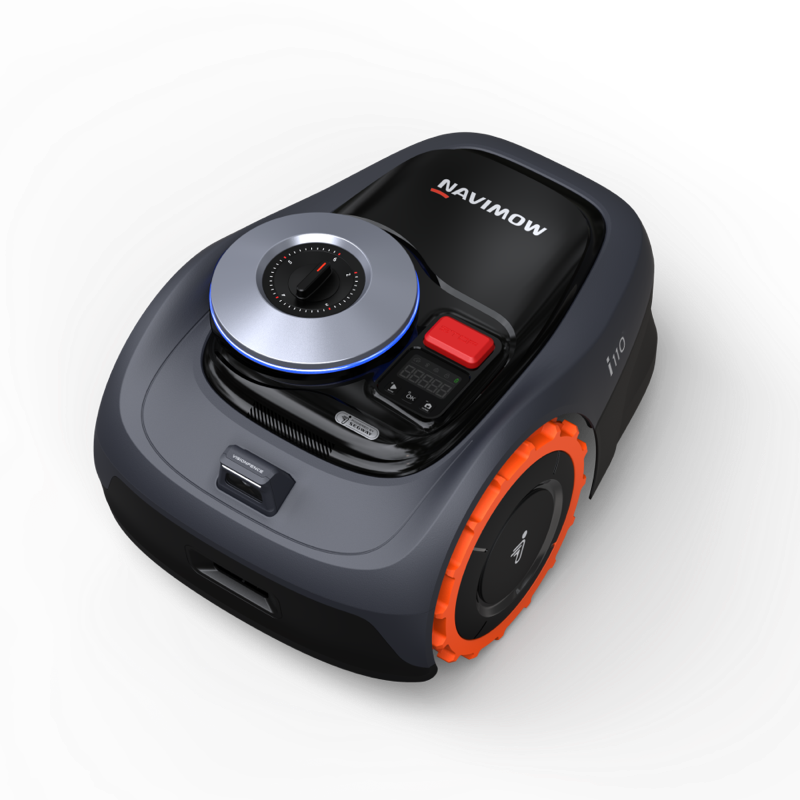
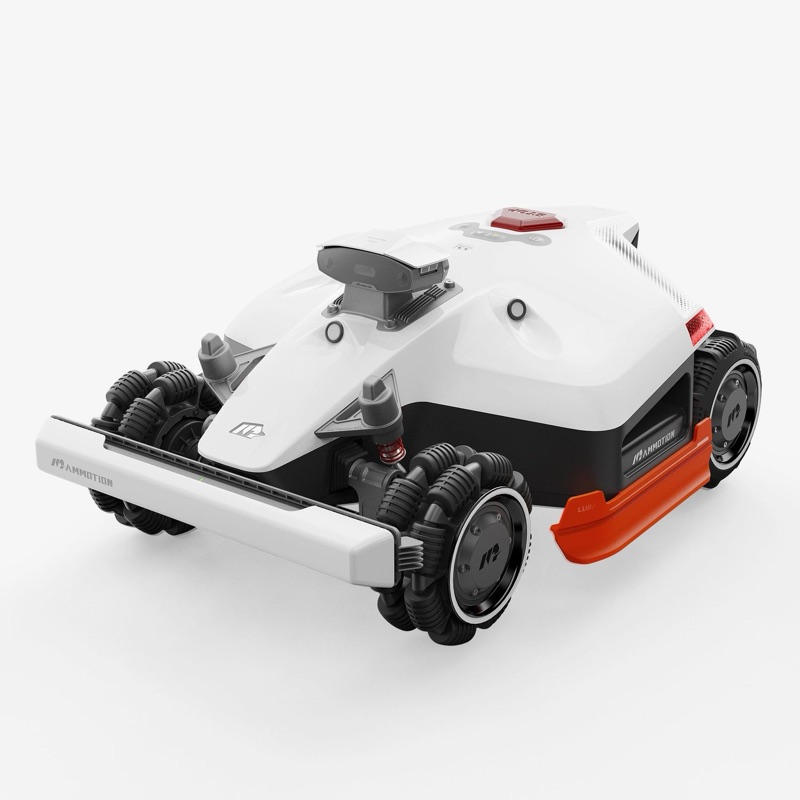
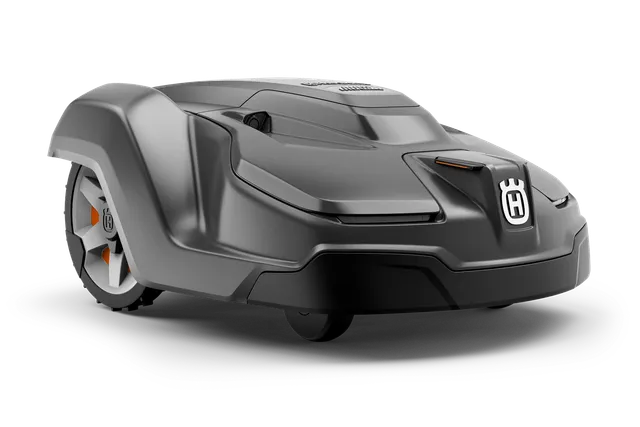
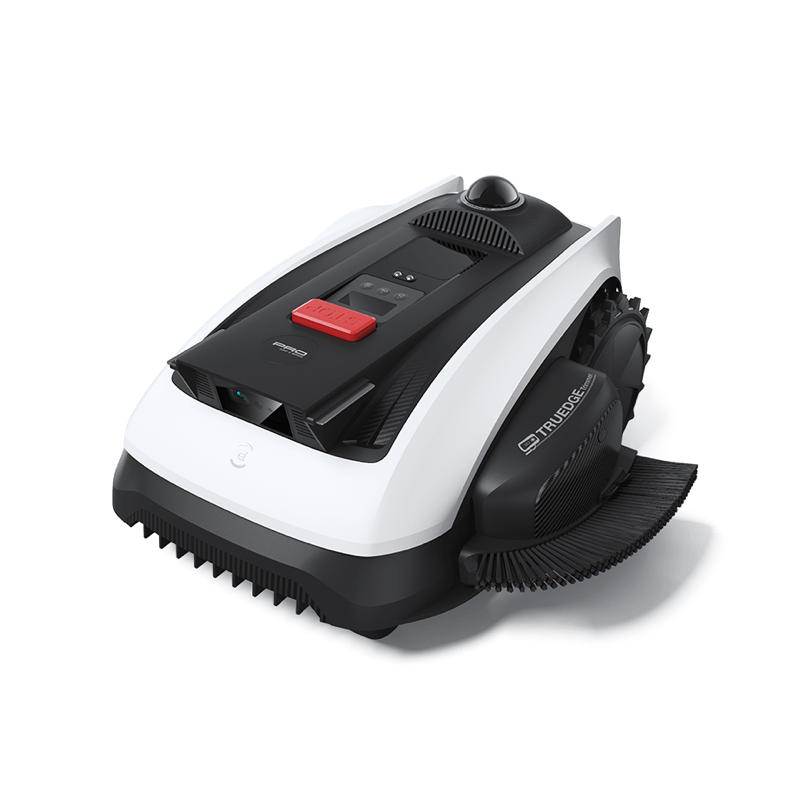
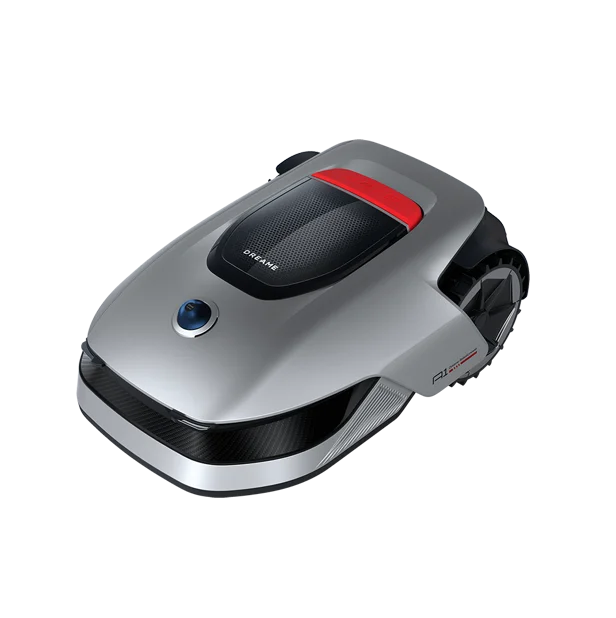
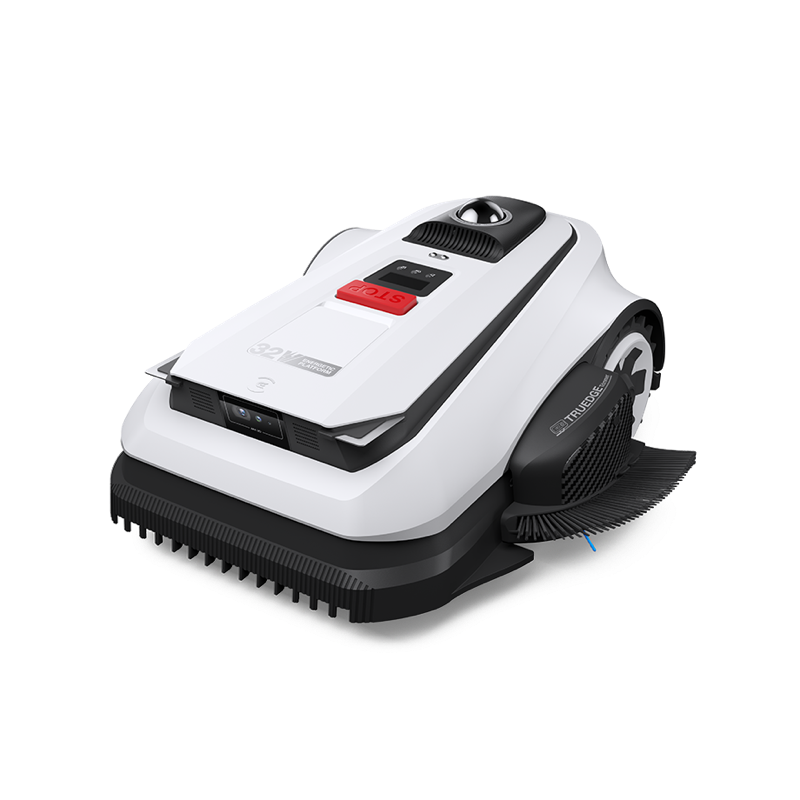
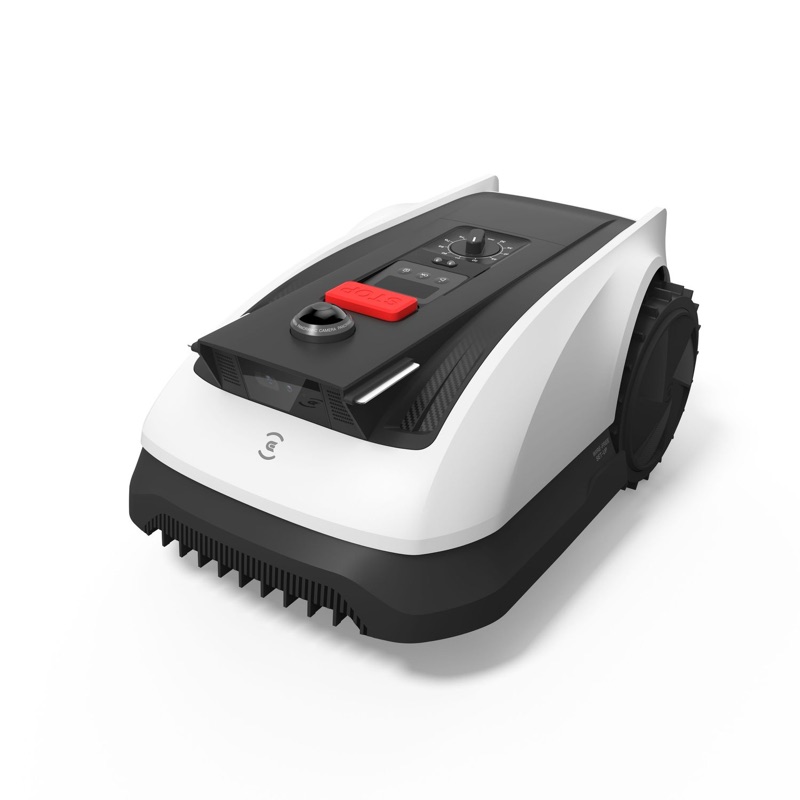
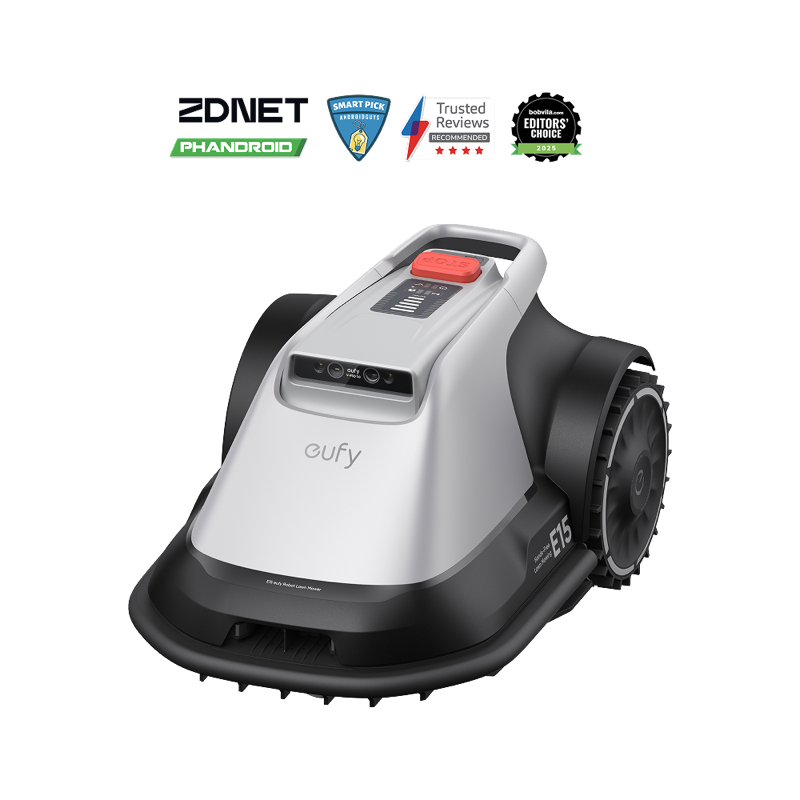
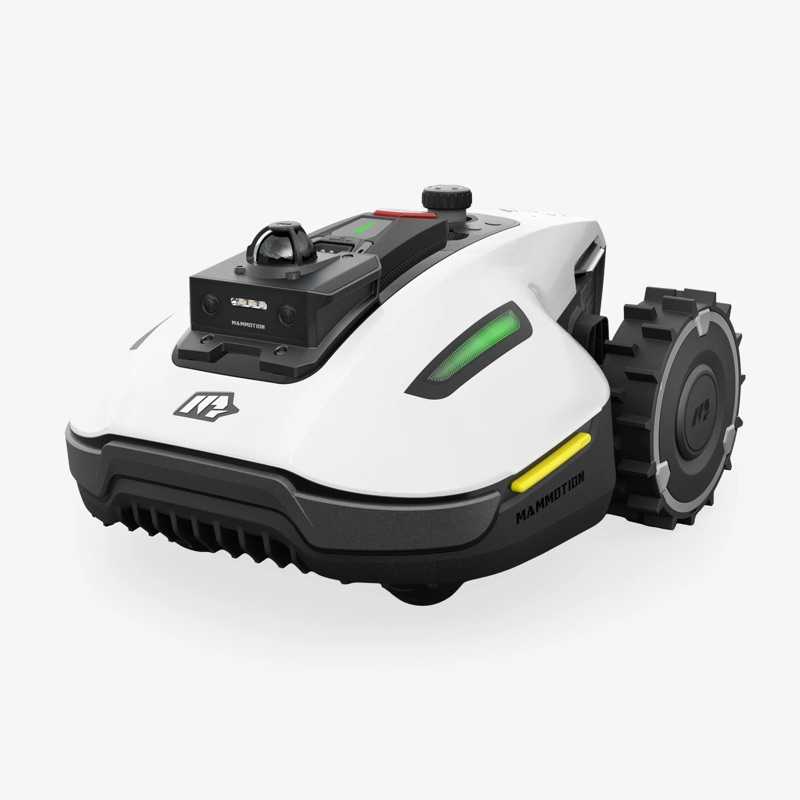
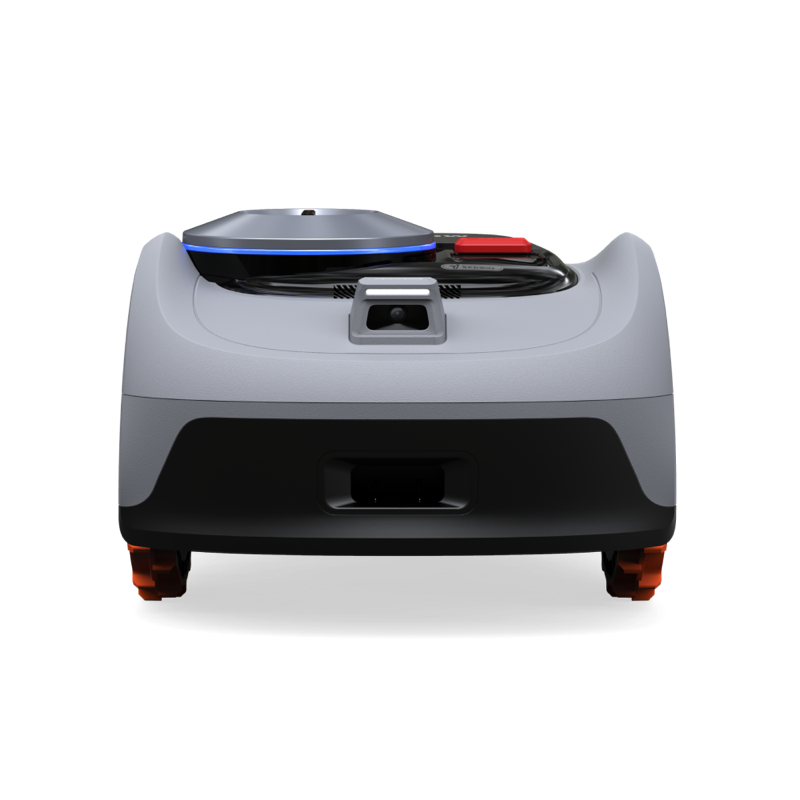
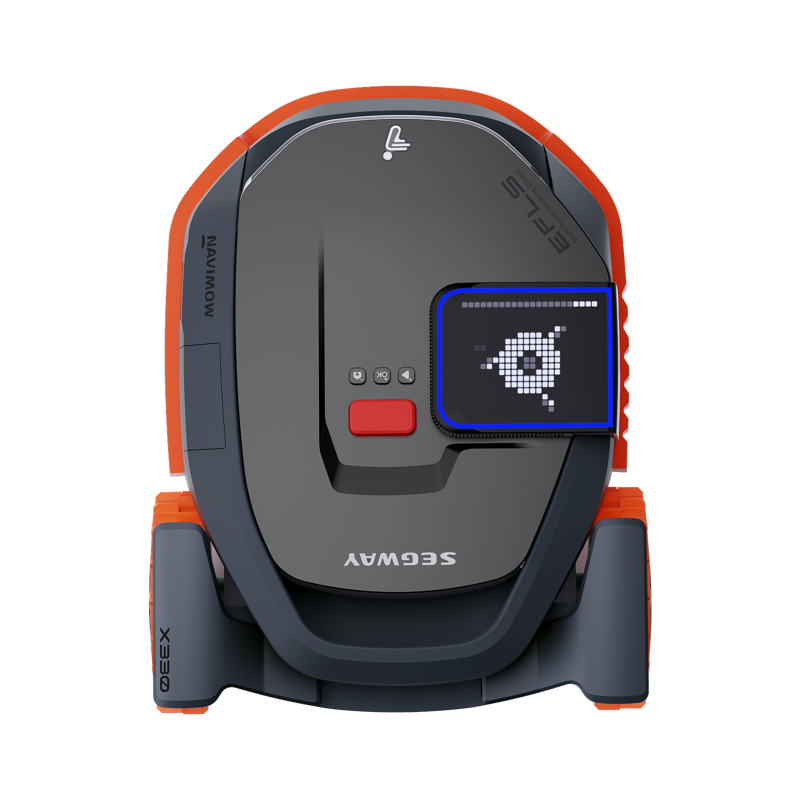
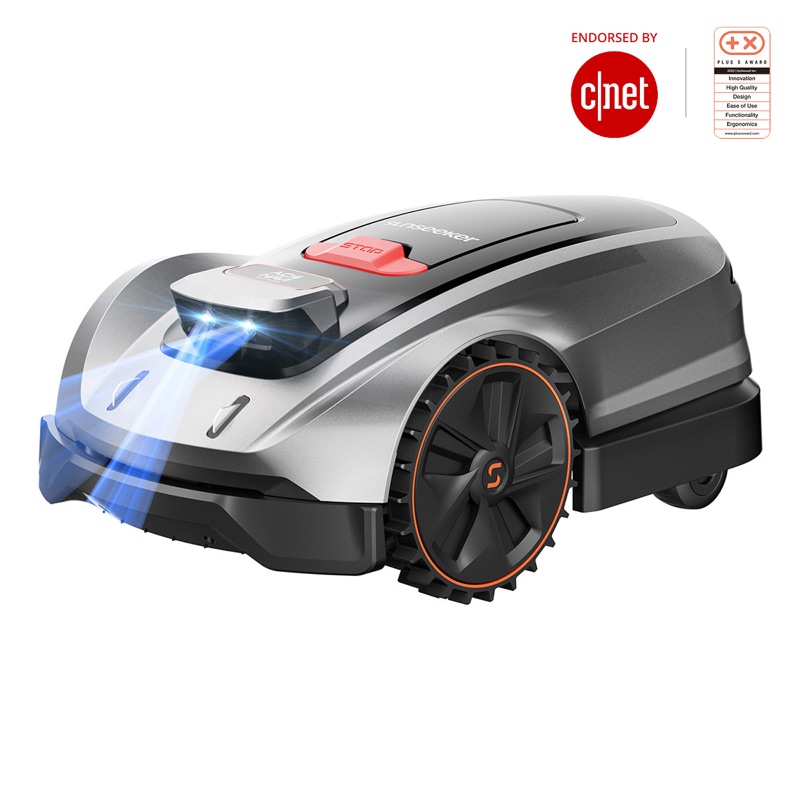
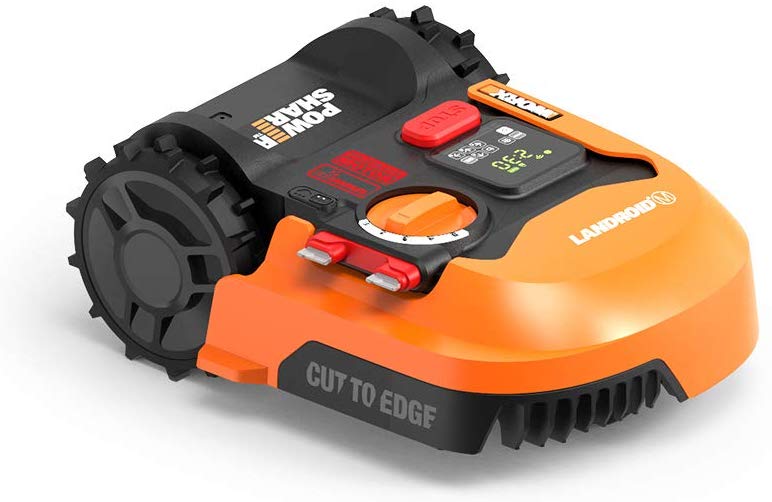
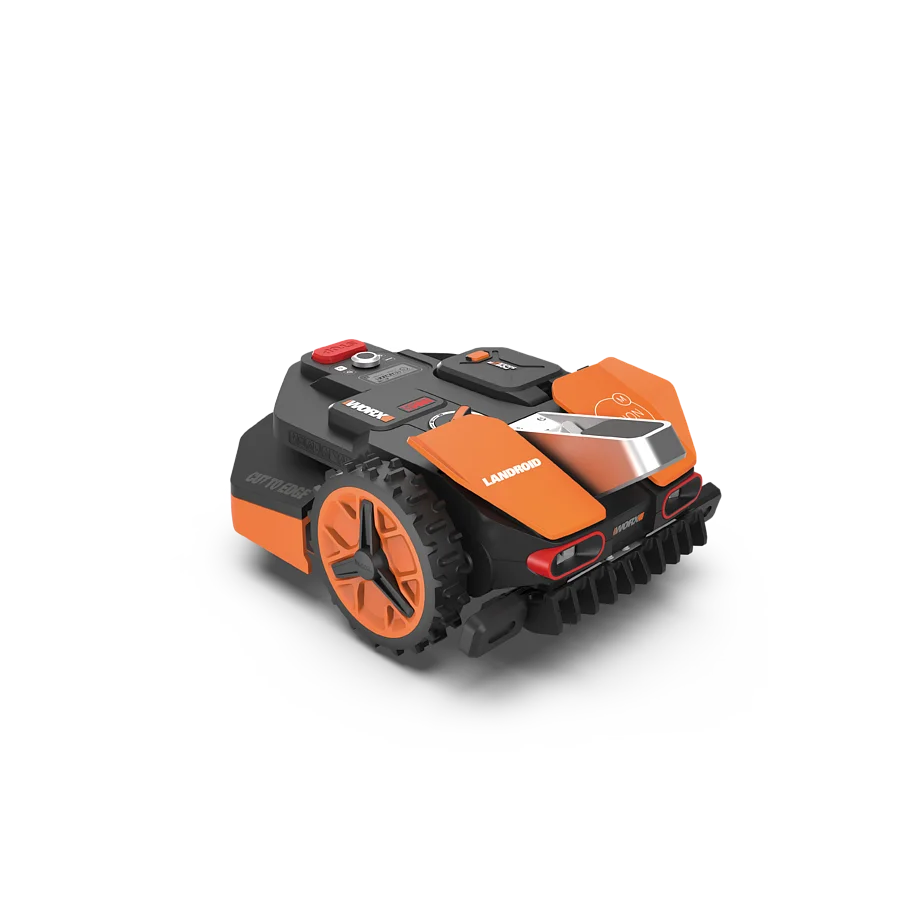
A robot lawn mower is a rugged little battery vehicle that leaves its dock, cuts a small amount of grass off the top on a schedule, and parks itself to recharge. Run daily, those tiny cuts keep a lawn evenly short without you ever pushing a mower. What separates a good one from an expensive paperweight comes down to four things: how much lawn it can handle, how steep a slope it can climb, how wide it cuts, and how it figures out where it is. That last one is the whole story of 2026, because the category is mid-migration away from the buried boundary wire, and "wire-free" is being sold as magic when it is really a set of trade-offs.
For most of the last decade, a robot mower meant a weekend spent burying a perimeter wire around your lawn to fence the robot in. The 2026 field, as Reviewed and The Gadgeteer both note, has largely abandoned that: newer mowers navigate by satellite positioning (RTK), spinning lasers (LiDAR), onboard cameras, or some fusion of the three, and you draw the boundaries in an app instead of with a trencher. That is a real improvement, but each method fails in a different place, and the spec sheet does not warn you which.
Slopsheets says: The four numbers that matter are coverage, slope, cutting width, and navigation type. Everything else is a feature, not a deciding factor. Match those four to your actual yard, a sloped or tree-shaded lot narrows the field fast, and ignore the rest of the brochure.
Coverage: the acreage claim and the yard you actually have
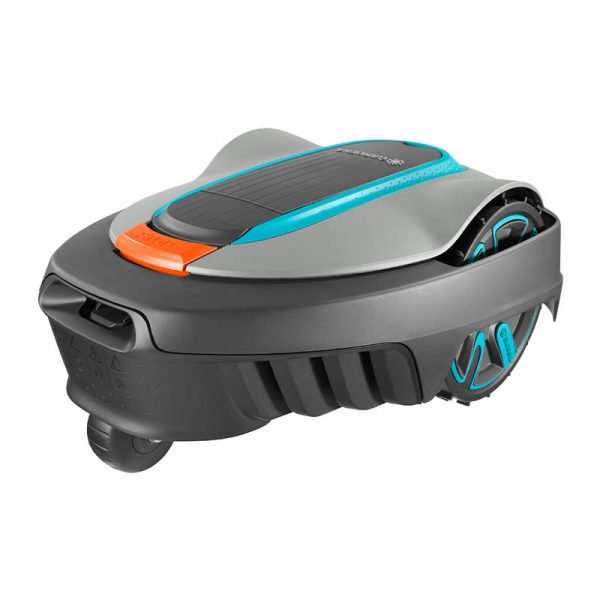
Coverage is the headline spec, quoted as a maximum lawn area, and it is the one most likely to flatter. The field here runs from the compact Gardena Sileno City 250 at about 2,700 sq ft up to the Husqvarna Automower 450X EPOS at a rated 2.5 acres, with most models clustered in the quarter-to-half-acre range that fits a typical suburban lot: the Segway Navimow i110N and Worx Landroid M at about a quarter acre, the Ecovacs Goat O1000 and Mammotion Yuka mini 2 a touch higher.
The catch is that these figures assume a simple, open rectangle. Every tree well, flower bed, narrow side passage, and tight corner cuts the effective area, because the robot spends time navigating around obstacles instead of cutting, and a complicated quarter-acre can behave like a much larger job. The marketing rounds up, too: Segway sells the Navimow X330 as a one-acre machine, but its actual rating of 3,000 square meters is closer to three-quarters of an acre. Buy for a lawn a size larger than yours looks on paper, especially if it is chopped up by landscaping.
Slope: the spec that strands most robot mowers
Slope is where robot mowers quietly fail, and it is measured as a percent grade, not degrees, which makes the numbers look bigger than the hills feel. Most of this field tops out between 30 and 45 percent: the Segway Navimow models at 30, the Ecovacs Goats at 45 to 50. That is fine for a gently rolling lawn and hopeless for a real bank, where a two-wheel-drive mower simply spins, slides, and beaches itself.
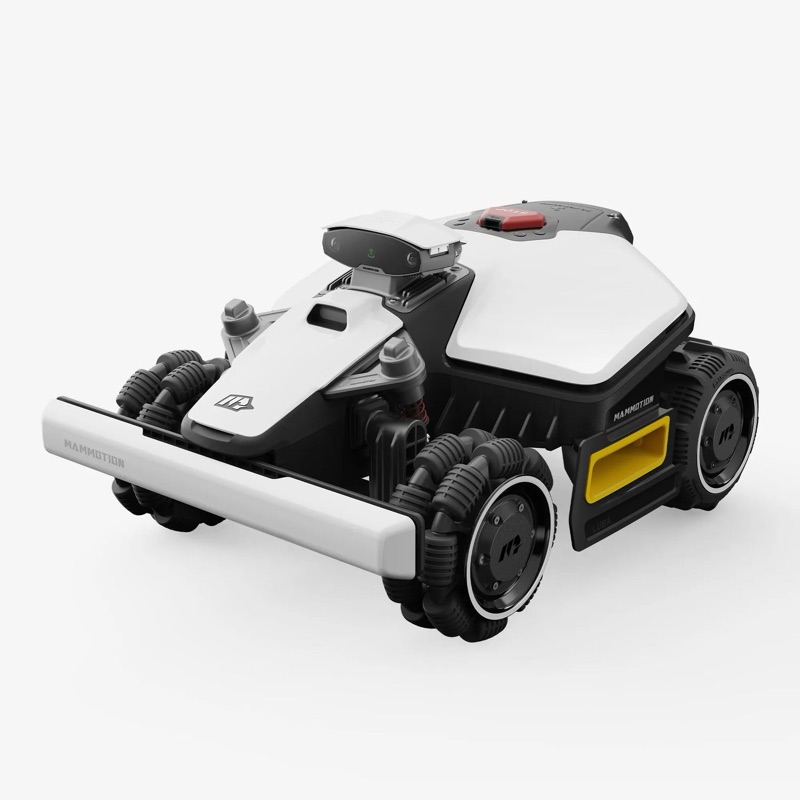
The exception is Mammotion's all-wheel-drive Luba line, rated to an 80 percent grade, which is genuinely in a different class for hilly ground; Consumer Reports and Reviewed both single it out for terrain that defeats everything else. One honest caveat lives in the fine print: that 80 percent applies to the open mowing area, while the slope the robot can handle right at a boundary edge is rated lower, around 45 percent, so a steep drop-off at the property line is still a problem. If your yard has grade, this spec outranks coverage, because a mower that cannot climb your hill is not a mower for your yard at any size.
What the box won't tell you: A percent grade is not degrees. A 45 percent slope is about 24 degrees, steep enough that most of these mowers will struggle. If you have a real bank, the all-wheel-drive Mammotions are close to the only honest answer, and even they cut their slope rating at the edges.
Cutting width: how fast it actually finishes
Cutting width is the least glamorous spec and the one that most affects whether the robot keeps up. A wider deck cuts more grass per pass, so it finishes a given lawn in fewer laps and less runtime, which matters more as the yard grows. The spread here is wide: the small single-blade machines like the Gardena Sileno City and the Worx Landroids sit around 6 to 7 inches, while the big Mammotion Luba 2 AWD spans 15.7 inches on a dual-disc deck and the Ecovacs Goat A3000 reaches 13.
For a small, simple lawn, a narrow deck is no handicap, the robot just runs a bit longer and you never notice. On a large or oddly shaped property, width is what keeps the machine from mowing around the clock to stay ahead of growth. Pairing a wide deck with high coverage, as the flagship Mammotion and Ecovacs models do, is the combination that actually services a big yard rather than merely claiming it on the box.
Navigation: wire, RTK, LiDAR, or camera, and which to trust
This is the spec that has changed, and the one buyers understand the least. Four approaches share this table, and each buys you something at a cost.
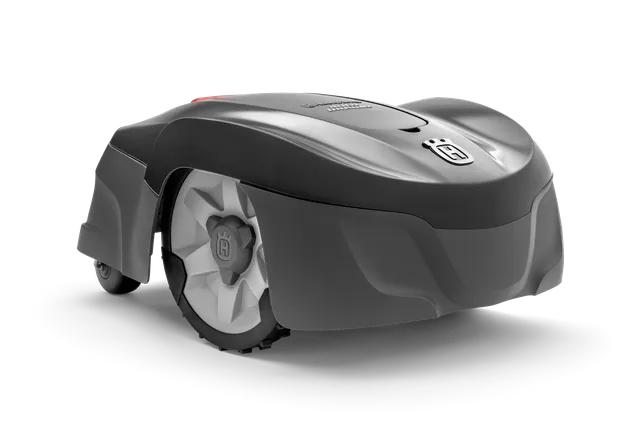
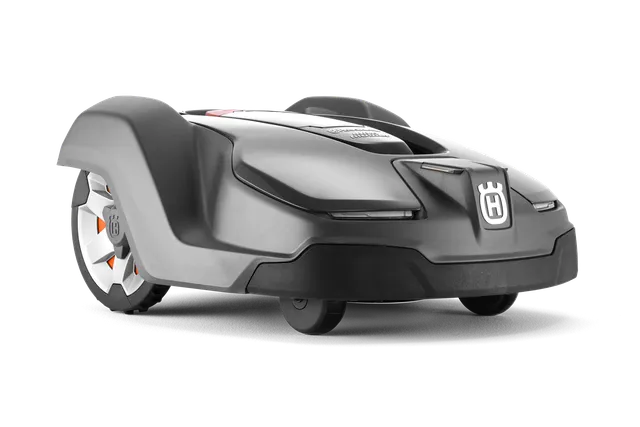
The perimeter wire models, the Husqvarna Automower 115H and 430X, the Worx Landroid M, and the Gardena Sileno City, are the old guard. You bury a boundary wire once, which is real work, but the result is dependable and immune to tree cover or a poor satellite signal. Consumer Reports still rates the wired Husqvarnas among the most reliable mowers it tests, which is the reward for the install pain.
The RTK models, including the Segway Navimow line, the Mammotion Lubas, and the Sunseeker X3, use satellite positioning corrected to within a couple of centimeters, usually paired with a vision camera as backup. No wire, centimeter accuracy, but RTK needs a clear view of the sky to lock on, so a yard shaded by dense tree canopy or hemmed in by the house can leave it hunting for signal. PCWorld's testing of the Navimow i110N flagged exactly this: superb on open lawn, fussier under cover.
The LiDAR and camera models, the Ecovacs Goats (dual-LiDAR on the O1000 and A3000), the Mammotion Yuka mini 2, the Dreame A1, and the vision-only Worx Landroid Vision and Eufy E15, skip satellites entirely and read the yard with lasers or cameras. That makes them the better bet under trees where RTK stumbles, at the cost of leaning on good light and clear sightlines. Husqvarna's wire-free 450X EPOS is its own case, a professional-grade satellite system rated for large acreage but sold through dealers rather than off a shelf. There is no single best method, only the one that matches your yard's sky and shade.
Wire-free navigation: draw the boundary in an app and the robot just works, anywhere.
Each method fails somewhere. RTK loses its lock under dense tree canopy, and LiDAR and camera mowers lean on good light and clear sightlines.
So which robot lawn mower should you buy?
Start with your yard's constraints, slope and tree cover, then size to coverage. Our four picks:
- Best overall, Segway Navimow i110N. Wire-free RTK plus a vision camera covers a normal quarter-acre lawn without a buried boundary, and it costs less than most of the sensor-stacked competition. The default for an open, sunny yard.
- Best for slopes, Mammotion Luba 2 AWD 5000. All-wheel drive and an 80 percent slope rating climb banks that beach every other mower here, and the 15.7-inch dual-blade deck clears big lawns quickly. The answer for hilly ground.
- Best for large properties, Husqvarna Automower 450X EPOS. Wire-free satellite navigation rated to 2.5 acres from the most experienced name in robot mowing. It needs a dealer install and a real budget, but nothing else here covers that much ground as dependably.
- Best value wire-free, Ecovacs Goat O1000 LiDAR Pro. Dual-LiDAR mapping means no wire and no dependence on a clear sky view, covering a quarter acre for far less than the premium wire-free set. The pick for a tree-shaded lot that would frustrate an RTK mower.
Frequently asked questions
Do I still need to bury a boundary wire? Usually not. Most 2026 mowers, including every Segway, Ecovacs, Mammotion, Dreame, and Eufy model here, are wire-free and set their boundaries in an app. The holdouts are the classic Husqvarna Automower 115H and 430X, the Worx Landroid M, and the Gardena Sileno City, which still use a perimeter wire in exchange for rock-solid reliability.
What is RTK navigation, and what is its weakness? RTK is satellite positioning corrected to roughly two-centimeter accuracy, the method behind most premium wire-free mowers. Its weakness is sky visibility: dense tree canopy, tall buildings, or a heavily shaded yard can block the signal it needs, which is why several RTK mowers add a camera and why LiDAR models can be the safer choice under trees.
How steep a slope can a robot mower handle? Most cap out at a 30 to 45 percent grade, which is gentler than it sounds, since 45 percent is only about 24 degrees. Mammotion's all-wheel-drive Luba mowers are the outlier at 80 percent on open ground, though even they drop to around 45 percent right at a lawn's edge.
Will one mow my whole lawn on a single charge? It does not need to. Robot mowers cut a little every day and return to the dock to recharge automatically, then resume, so total runtime matters less than whether the coverage and cutting width are matched to your lawn's size. Buy enough of both and it simply keeps the whole yard short without you tracking charge cycles.
Are robot mowers loud? Not very. Because they shave only a small amount daily with a small blade, most run in the range of a quiet dishwasher and are tolerable to mow at night or early morning. Noise is rarely the deciding spec here, which is why it is not in our table; coverage, slope, and navigation are what actually separate these machines.
Sources / further reading
- Reviewed: The Best Robot Lawn Mowers, hands-on testing across 14 models in real yards.
- Consumer Reports: Best Robotic Lawn Mowers, independent testing and reliability data.
- PCWorld: Segway Navimow i110N review, a close look at real-world RTK performance.
- The Gadgeteer: Best robot lawn mowers without perimeter wire for 2026, the wire-free landscape.
- Tom's Guide: eufy E15 robot lawnmower review, vision-based navigation tested.