Six portable projectors, one honest question: how bright is it really, and will it run where you actually want to use it? The sortable table and price buttons live above this article. Down here we translate the spec sheets into what they mean once the marketing gets out of the way.
The lineup: the XGIMI MoGo 3 Pro, the Anker Nebula Capsule 3 Laser, the Anker Nebula Mars 3 Air, the Samsung The Freestyle 2nd Gen, the LG CineBeam Q, and the BenQ GP520.
Brightness: read the unit before you read the number
This is where portable-projector specs get slippery. Three of these brands quote three different brightness standards, and they do not line up cleanly.
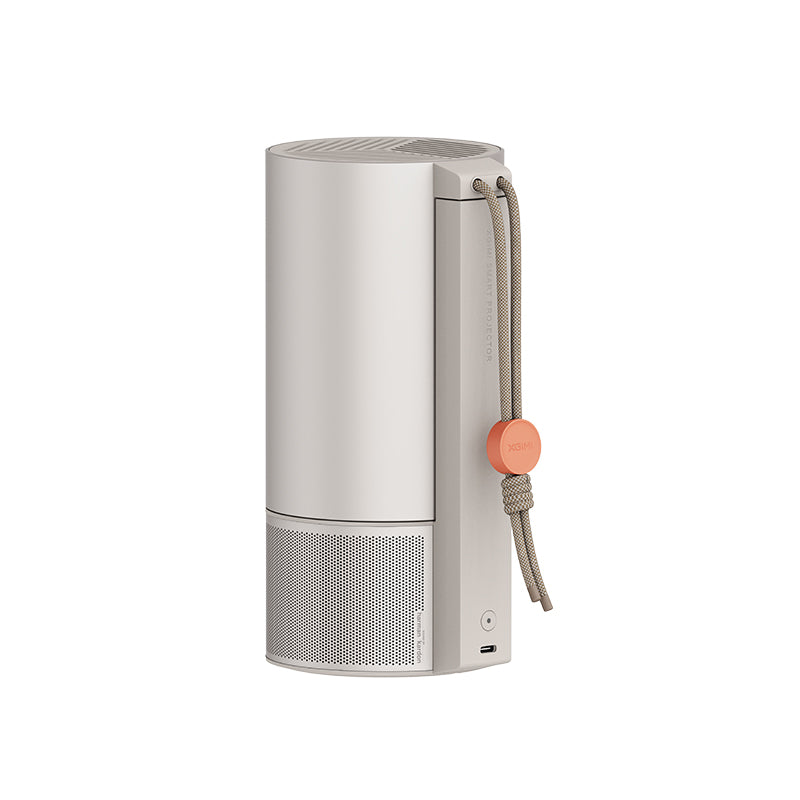
- XGIMI rates the MoGo 3 Pro at 450 ISO lumens (the ISO 21118 standard), as its spec sheet on ProjectorCentral confirms.
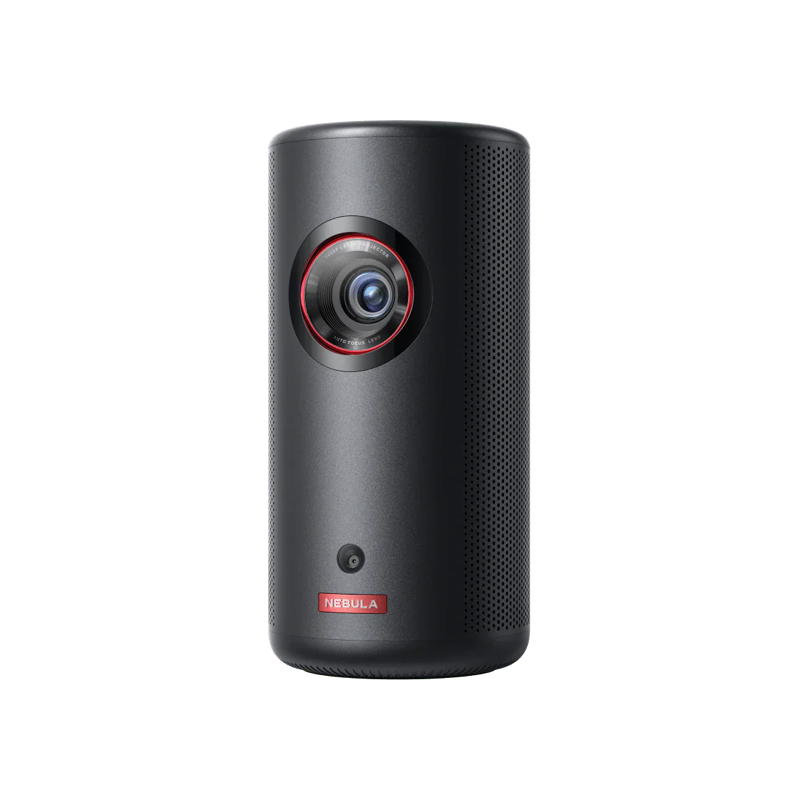
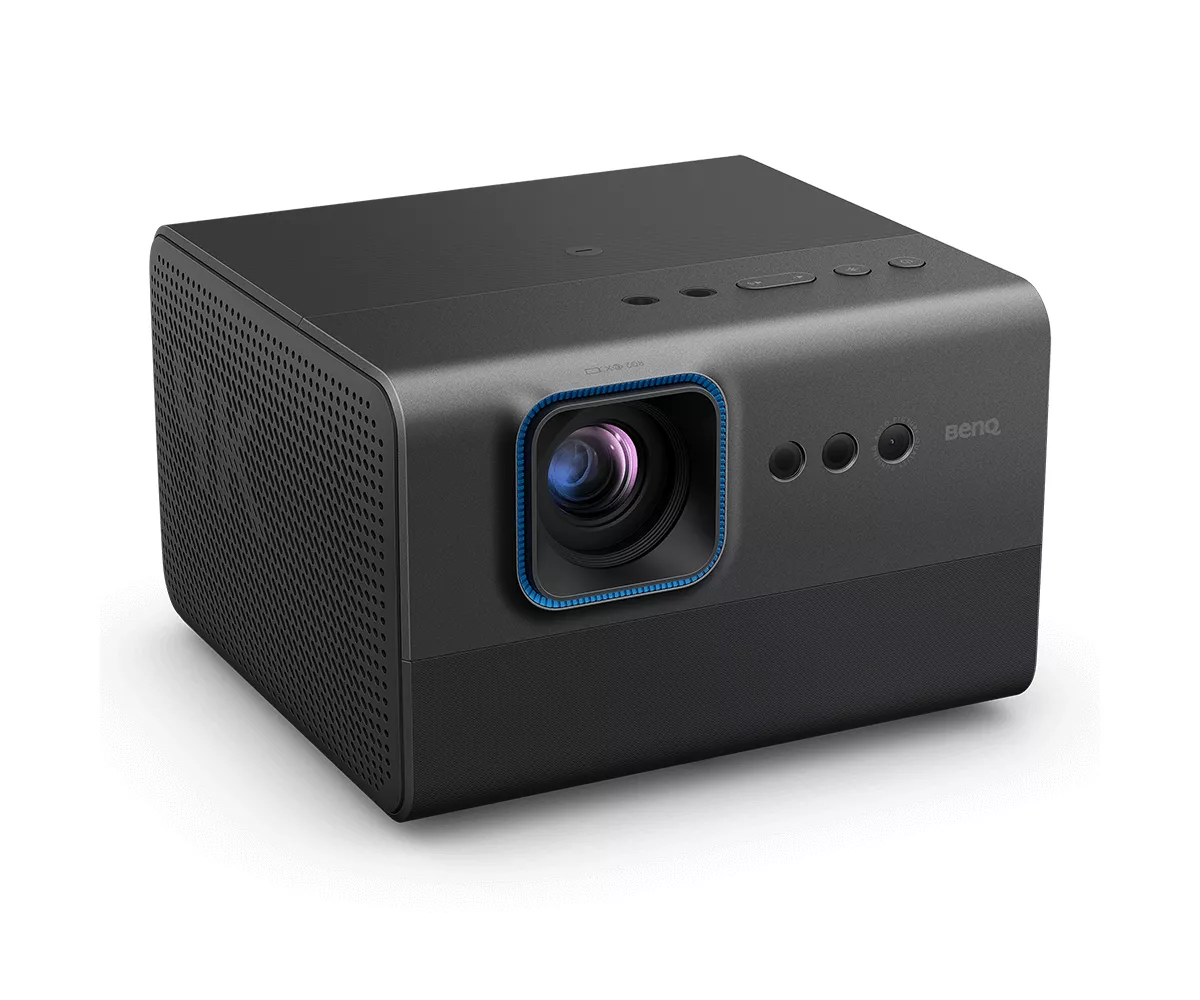
- Anker (Capsule 3 Laser at 300, Mars 3 Air at 400), LG (CineBeam Q at 500), and BenQ (GP520 at 2,600) all quote ANSI lumens.
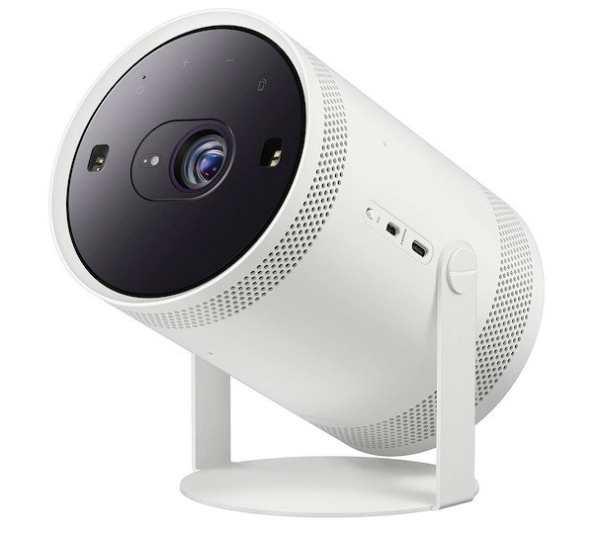
- Samsung is the odd one out. It publishes the Freestyle 2nd Gen as "550 LED lumens," a house unit that sounds brighter than it behaves. Independent comparisons put it around 230 ANSI-equivalent, the dimmest of the six.
ISO and ANSI lumens are measured differently, so you cannot treat 450 ISO and 500 ANSI as the same yardstick, though for small LED and laser units like these they land in a similar ballpark. If a projector's number comes with no standard attached, be suspicious.
The practical split is bigger than the standard, though. The BenQ GP520's 2,600 ANSI lumens is in a different league from everything else here, and reviewers at outlets like TechRadar keep flagging it as the rare portable that stays watchable with some lights on. The rest are evening-and-dark-room machines. The Capsule 3 Laser's laser light source gives it more saturated color than its 300 ANSI suggests, which is the usual laser-versus-LED story.
Slopsheets says: If you will use it in any ambient light, the BenQ GP520 is the only one here that won't let you down. For a dark room or after sunset, the MoGo 3 Pro, both Nebulas, and the LG are all fine. Don't let Samsung's "550 LED lumens" set you up to expect more than a dim, cozy picture.
Resolution: four are 1080p, two are real 4K
Only two of the six are native 4K: the LG CineBeam Q and the BenQ GP520. The MoGo 3 Pro, both Nebulas, and the Samsung are 1080p.
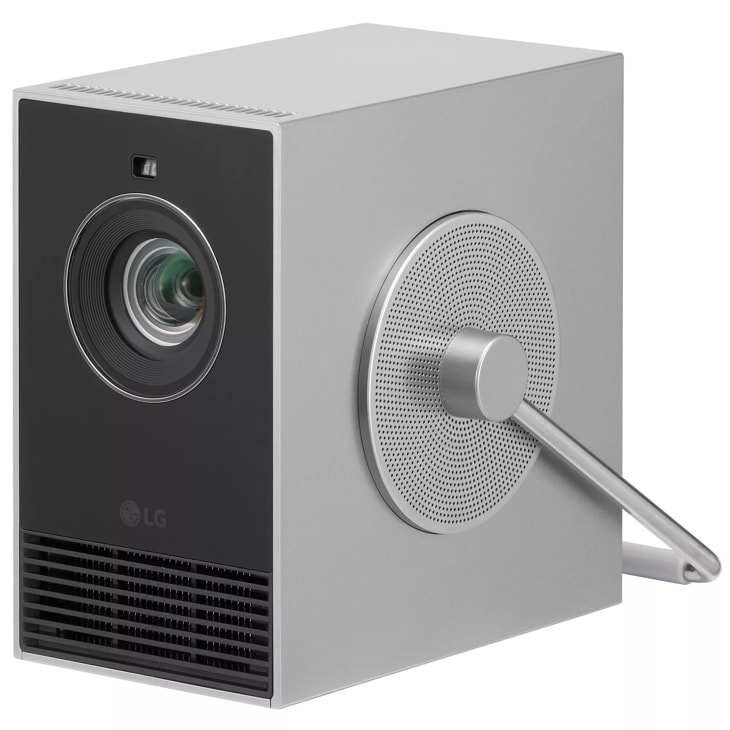
For a portable throwing a 100-inch image from the couch or a picnic blanket, 1080p is genuinely enough most of the time. 4K earns its keep on bigger screens and with 4K sources, and both 4K units back it with a better light engine. The LG uses a three-channel RGB laser with very wide color (LG rates it at 154% of DCI-P3), and the BenQ pairs 4K with its bright 4LED source. Tom's Guide described the CineBeam Q as a full 4K projector in a pint-sized body, which sums up why it exists.
Don't overpay for: Buy 4K here for picture quality and color, not for pixel count on a small portable screen. The LG CineBeam Q is the pick if you want 4K that still fits in a bag; the BenQ if you want 4K plus brightness and don't mind carrying more.
Battery: which of these actually run without a wall
"Portable" and "cordless" are not the same thing, and this group proves it. Only two of the six have a built-in battery:
- Anker Nebula Capsule 3 Laser: 2.5 hours of video on its internal battery (or up to 8 hours as a Bluetooth speaker), per Anker's Soundcore listing.
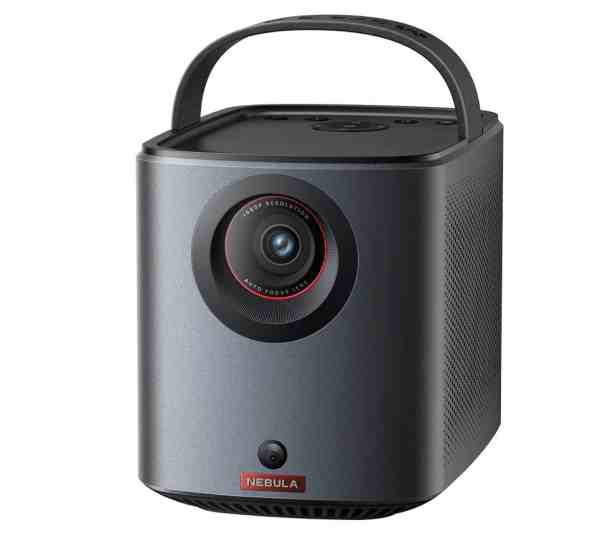
- Anker Nebula Mars 3 Air: 2.5 hours of video from its built-in battery.
The other four need power. The MoGo 3 Pro runs off USB-C Power Delivery and can be fed by a compatible power bank, but XGIMI moved the battery to an optional PowerBase accessory instead of building it in. Samsung sells a separate battery base for the Freestyle that adds around three hours. The LG CineBeam Q and the BenQ GP520 have no battery option at all; they are wall-powered by design.
Portable projector, so it goes wherever you do and runs there.
Only two of the six, the Capsule 3 Laser and the Mars 3 Air, have a built-in battery. The other four need a wall outlet or a power bank.
The catch: If the whole point is the backyard or a campsite, the Capsule 3 Laser and Mars 3 Air are the only two that just work with nothing plugged in. The rest are "portable" the way a small appliance is portable: you can move it, but bring a cord or a power bank.
Weight: from pocketable to two-handed
All six are luggable, but the spread is real, running from the Samsung Freestyle at 1.8 lb to the BenQ GP520 at 5.51 lb:
- Samsung The Freestyle 2nd Gen: 1.8 lb
- Anker Nebula Capsule 3 Laser: 2.1 lb
- XGIMI MoGo 3 Pro: 2.4 lb
- LG CineBeam Q: 3.3 lb
- Anker Nebula Mars 3 Air: 3.7 lb
- BenQ GP520: 5.51 lb
The Capsule 3 Laser is the classic grab-and-go shape, a soda-can body you can hold in one hand. The GP520's 5.51 lb is the cost of its brightness and 4K engine; it is a move-it-between-rooms projector, not a toss-it-in-the-bag one.
The tradeoff: Weight tracks with battery and brightness here. The lightest ones are the dim 1080p units; the heaviest is the bright 4K one. Pick the two specs you care about most and the weight sorts itself out.
So which portable projector should you buy?
- All-rounder, dark-room use: XGIMI MoGo 3 Pro, the brightest 1080p compact here at 450 ISO lumens, with Google TV and a built-in stand. Plan to keep it fed by USB-C or a power bank.
- Truly cordless and travel: Anker Nebula Capsule 3 Laser, pocketable with a real 2.5-hour battery and laser color that beats its lumen number.
- A room with the lights on: BenQ GP520, the only one you can run in ambient light, and native 4K. You carry more for it.
- Compact 4K: LG CineBeam Q, native 4K and wide RGB-laser color at 3.3 lb, if you can keep it plugged in.
- The backyard: Anker Nebula Mars 3 Air, 400 ANSI lumens and a 2.5-hour battery in a rugged, handle-topped body built to go outside.
The Samsung Freestyle is the charming one and the lightest, but it is also the dimmest, and it needs a separate battery to leave the outlet. It makes sense when design and size matter to you more than brightness.
Frequently asked questions
Which portable projectors have a built-in battery? Of these six, only the Anker Nebula Capsule 3 Laser and the Anker Nebula Mars 3 Air run cordless out of the box, each rated at about 2.5 hours of video. The XGIMI MoGo 3 Pro and Samsung Freestyle need an optional battery accessory or a power bank, and the LG CineBeam Q and BenQ GP520 are wall-powered only.
Are ISO lumens and ANSI lumens the same? No. They are separate measurement standards, so a 450 ISO figure and a 500 ANSI figure are not directly comparable, though for small LED and laser projectors they tend to land near each other. Samsung's "LED lumens" is a different marketing unit again, and it reads brighter on paper than it looks in the room.
Which of these is bright enough for a room with some light? Really only the BenQ GP520, at 2,600 ANSI lumens. The others are best in a dark room or after dark.
Which is best for 4K? The LG CineBeam Q and BenQ GP520 are the only native-4K models here. The LG is lighter and easier to carry; the BenQ is far brighter.
Sources / further reading
- XGIMI, MoGo 3 Pro product page
- ProjectorCentral, XGIMI MoGo 3 Pro specs
- TechRadar, XGIMI MoGo 3 Pro review
- Anker Soundcore, Nebula Capsule 3 Laser
- ProjectorCentral, Anker Nebula Mars 3 Air specs
- ProjectorCentral, Samsung The Freestyle 2nd Gen specs
- RTINGS, Samsung The Freestyle 2nd Gen review
- LG, CineBeam Q HU710PB product page
- Tom's Guide, LG CineBeam Q (HU710PB) review
- BenQ, GP520 specifications