
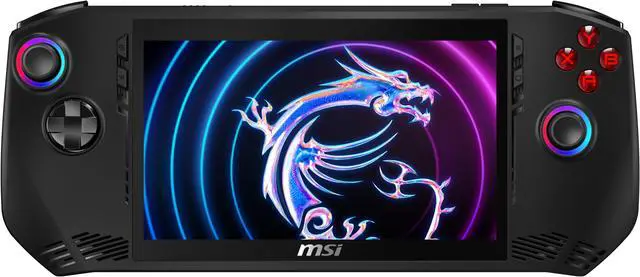
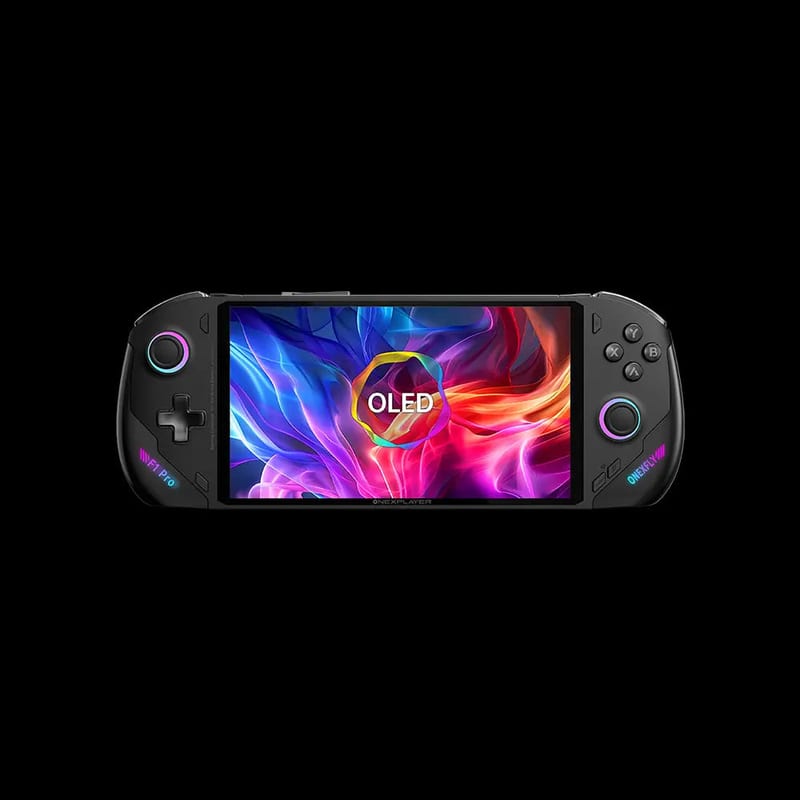
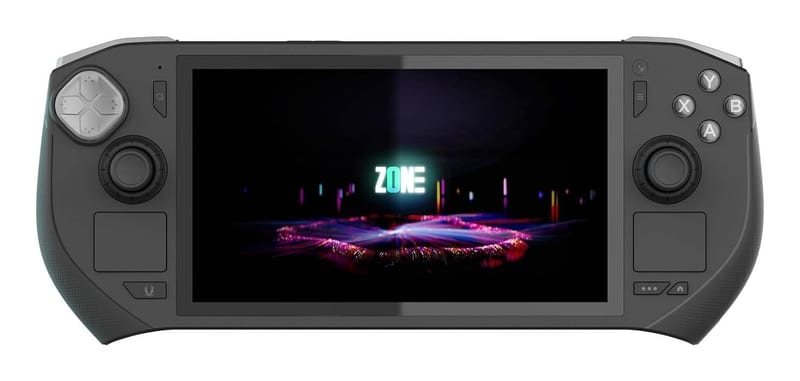
Handheld gaming PCs stopped being a novelty in 2026. The Steam Deck proved in 2022 that people would buy a Windows-or-Linux gaming console the size of a paperback, and by this year every big PC brand ships one: ASUS, Lenovo, MSI, Valve, and a wave of enthusiast makers like GPD, AYANEO and OneXPlayer. The arms race that followed pushed chips from AMD's Ryzen Z1 Extreme up to the Ryzen Z2 Extreme, Ryzen AI 9 HX 370 and Intel's Lunar Lake, and it stopped being a question of whether the thing can run Elden Ring. It can. The question now is which one you can actually live with.
That is a harder question than a spec sheet answers, so we compare 20 of them two ways. The sortable table has every device side by side on the six specs that carry across brands: which APU is inside, how much memory feeds it, how big and how fast the screen is, how many watt-hours the battery holds, and how many grams end up in your hands. The prose below is for the parts a table cannot show, which on these machines is most of what matters: how the software feels, how loud the fan gets, and whether the thing is worth its price.
Windows or SteamOS: the fork that decides everything
Before any spec, decide which operating system you want to fight or not fight. It splits the field cleanly.
SteamOS runs on Valve's two Steam Decks and, as of this year, on the Lenovo Legion Go S. It boots fast, sleeps and resumes like a console, and hides the desktop entirely behind Valve's controller-first interface. The catch is that it plays Windows games through Proton, so a handful of anti-cheat titles and non-Steam launchers are awkward or off-limits. The upside is that it just works. Reviewers keep landing on the same uncomfortable point: Tom's Hardware found the Legion Go S runs better on SteamOS than the identical hardware does on Windows 11, and several outlets called the SteamOS version a better Steam Deck than Valve's own.
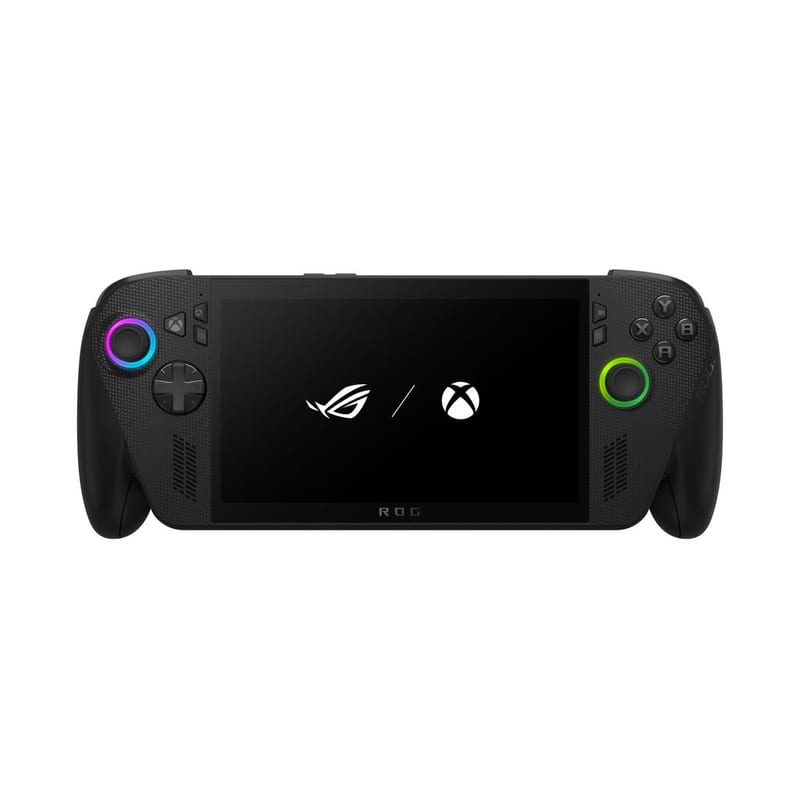
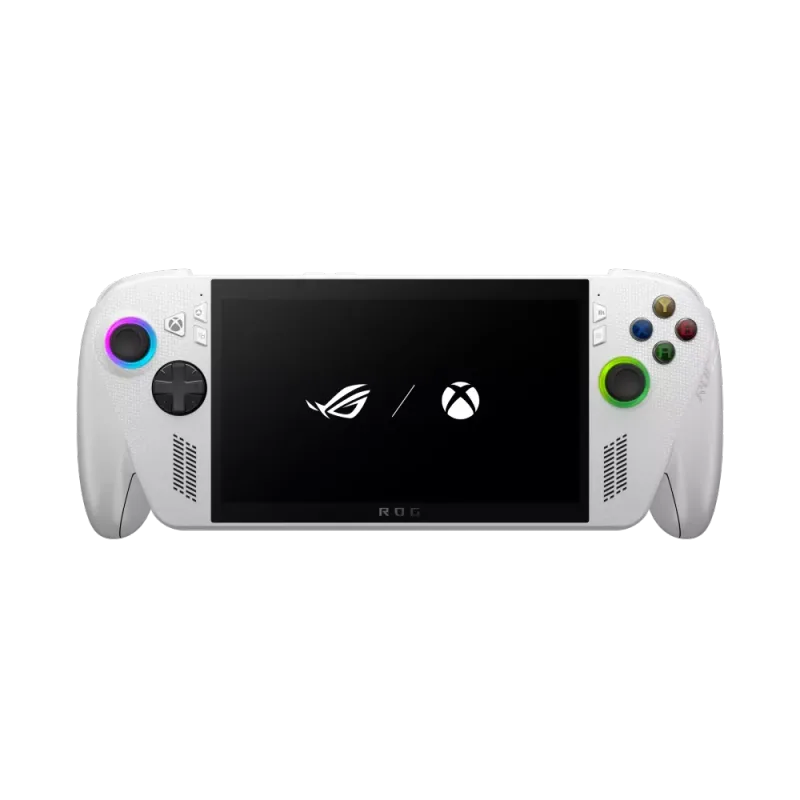
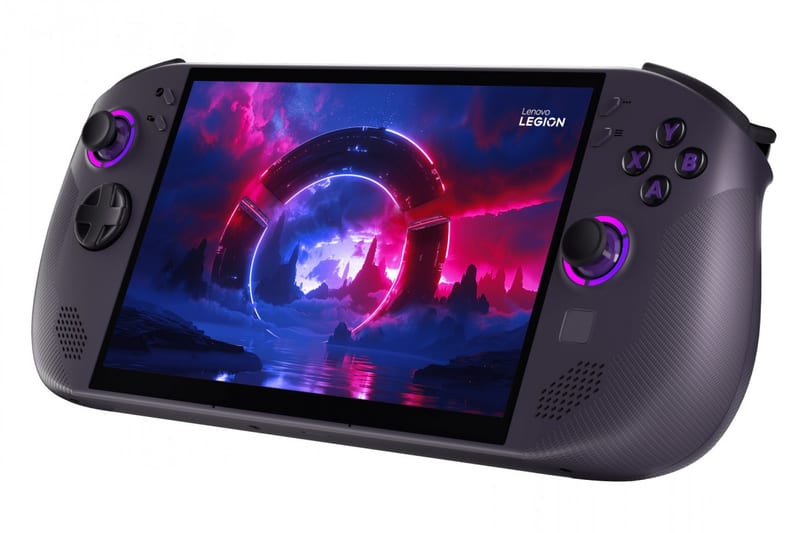
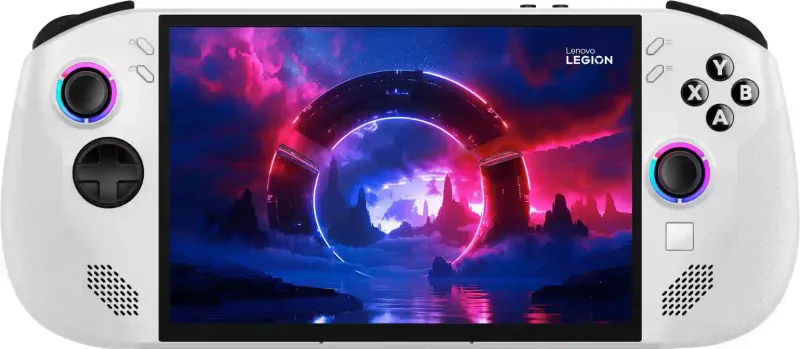
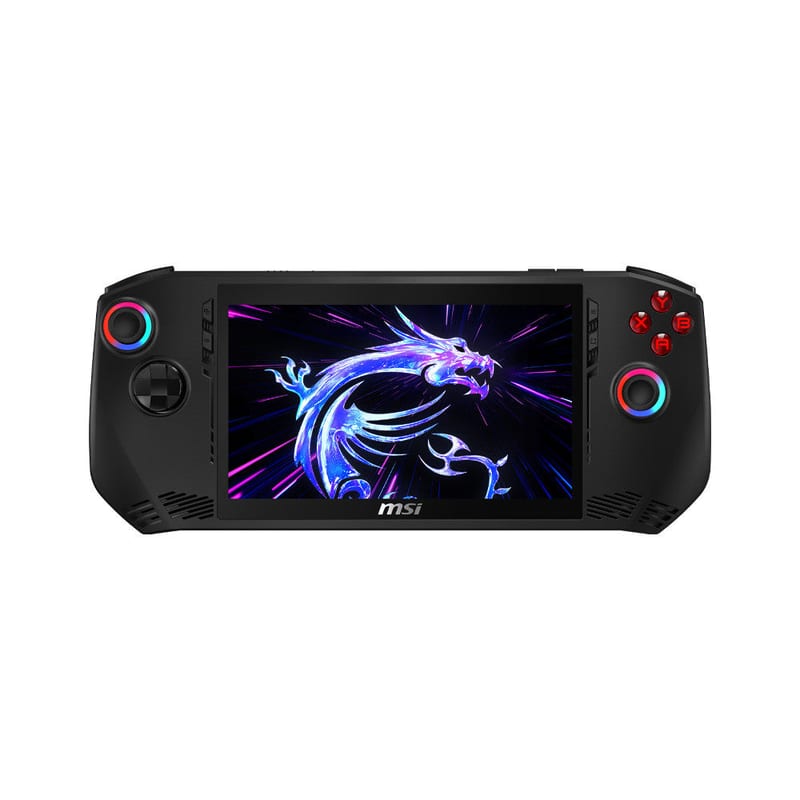
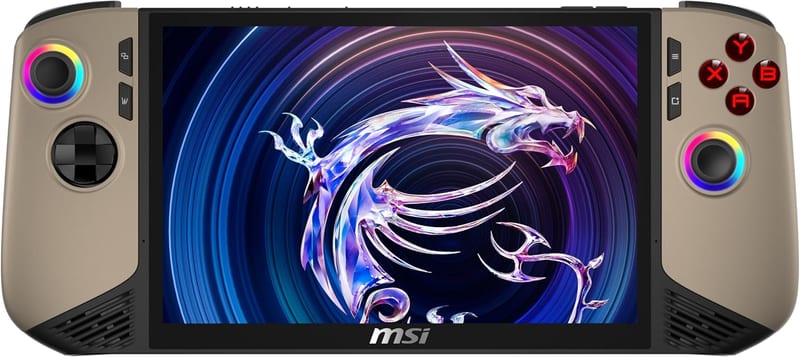
Windows handhelds run everything: Steam, Game Pass, Epic, GOG, any emulator, the lot. You pay for that reach by fighting a desktop OS that was never built for a 7-inch touchscreen and two thumbsticks. Every Windows maker ships a shell to paper over it. ASUS's Xbox Full Screen Experience on the ROG Xbox Ally is the best of them, and GamesRadar and Trusted Reviews both credited it with hiding Windows better than any previous ROG software, but it still surfaces update prompts and desktop quirks mid-session. Lenovo's Legion Space and MSI's Center M are rougher, and MSI's still asks for the occasional restart.
Slopsheets says: If you only play what is already on Steam, SteamOS is the calmer life and you should weight it heavily. If you need Game Pass, a non-Steam launcher, or serious emulation, buy a Windows handheld and go in knowing you will occasionally see a desktop you did not ask for.
The chip: what "handheld gaming PC" is actually made of
The APU column sorts the field into performance tiers, and past a certain point the tiers stop mattering as much as the marketing wants them to.
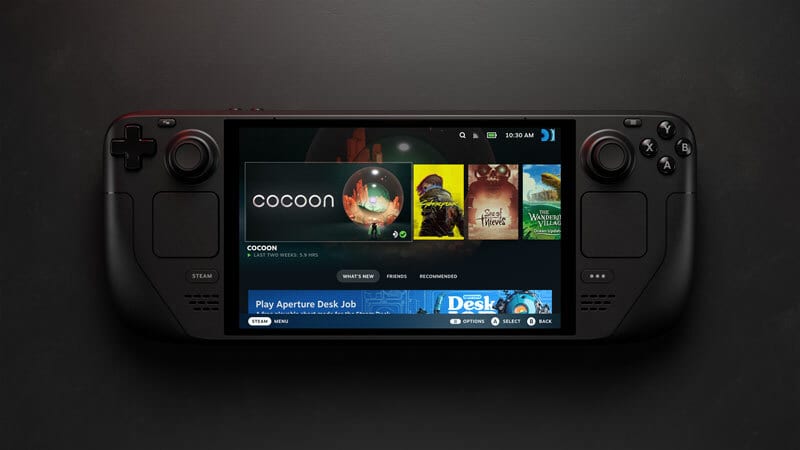
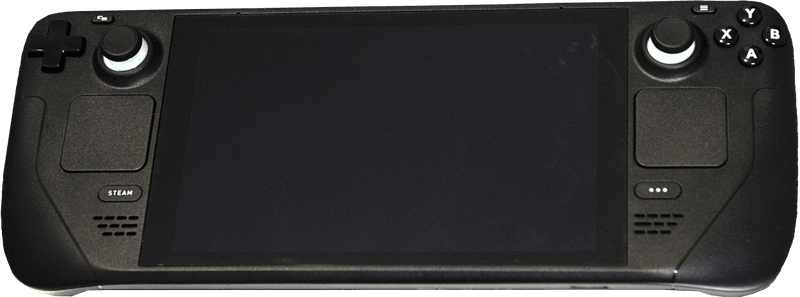
At the bottom sit both Steam Decks, running Valve's custom Zen 2 and RDNA 2 silicon (Aerith in the LCD, its OLED sibling in the newer model). GamersNexus's benchmarks put it a rung below a Ryzen Z1, targeting 720p to 800p at 30 to 40 fps in demanding games. It is the oldest chip here and it shows, but SteamOS squeezes it hard enough that the gap feels smaller in the hand than on a chart.
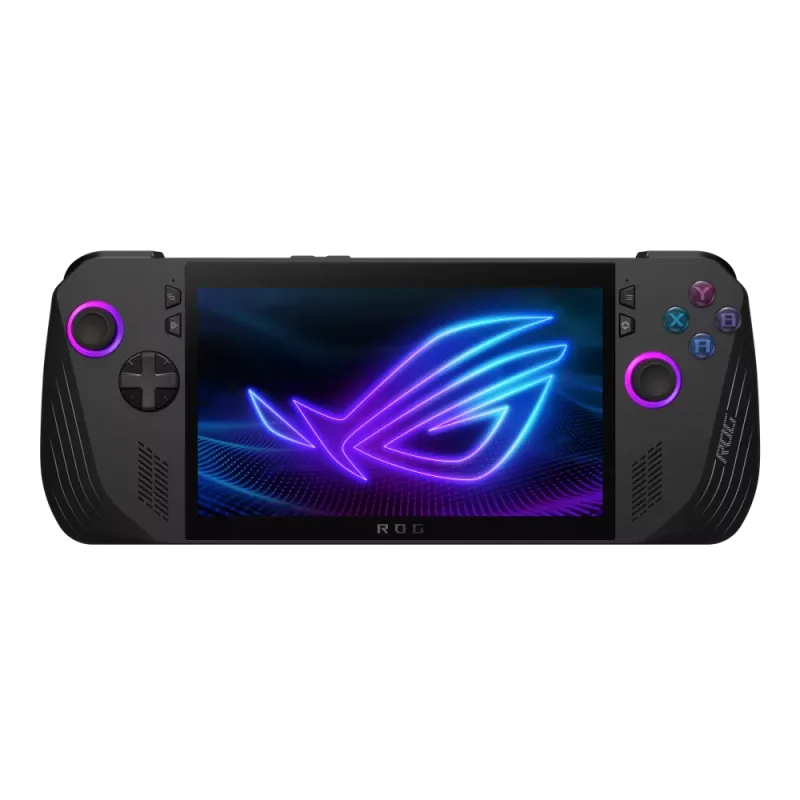
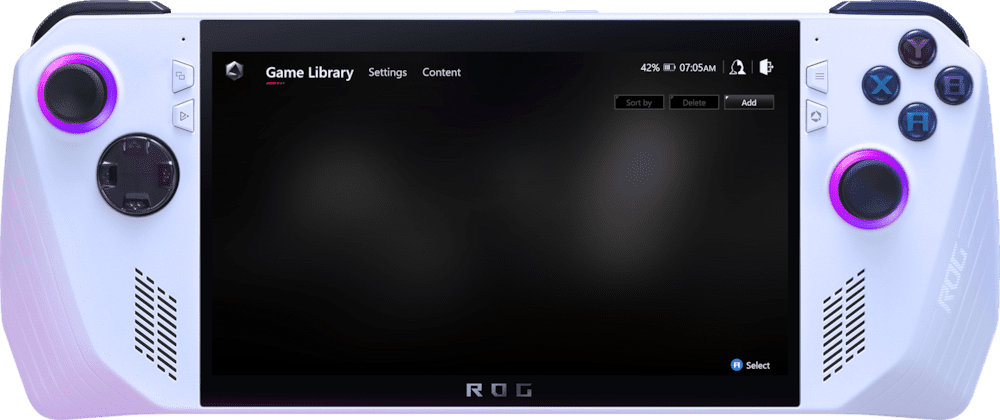
The middle is the Ryzen Z1 Extreme generation: the 2023 ROG Ally, the ROG Ally X, and the original Legion Go. Tom's Hardware rated the Z1 Extreme Ally the strongest mainstream Windows handheld of its year, hitting playable 40 to 60 fps at 1080p on low-to-medium settings. Intel's first attempt, the Core Ultra 7 155H in the original MSI Claw A1M, landed here too, and badly: GamersNexus documented broken launch drivers and janky software that left it trading blows with a cheaper Ally rather than beating it.
The top is a four-way scramble. AMD's Ryzen Z2 Extreme and Ryzen AI Z2 Extreme power the Legion Go 2 and the ROG Xbox Ally X. AMD's Ryzen AI 9 HX 370, with its Radeon 890M graphics, shows up in the GPD machines, the AYANEO 3 and the OneXFly F1 Pro. Intel's Lunar Lake (Core Ultra 7 258V) drives the MSI Claw 7 and 8 AI+, and its real trick is efficiency rather than peak frames: the Claw 7 AI+ posts the best runtime-to-performance balance of any 7-inch device here. The one genuine weakling in the new generation is the plain Ryzen Z2 A in the base ROG Xbox Ally, a four-core part Tom's Hardware found needs settings turned down for modern AAA games.
The Ryzen AI Z2 Extreme is the quickest chip in the group, so the flagship must be the one to buy.
Above the Z1 Extreme every current top chip runs modern games fine. What separates them is heat, fan noise and battery life at the wattage you actually play at.
What the box won't tell you: Above the Z1 Extreme, raw frame rate stops being the story, because every current top chip runs modern games fine. What actually separates them is heat, fan noise and battery life at the wattage you play at, not the number on the box.
Memory: 16GB is the floor, 32GB is for the show-offs (and the tinkerers)
RAM is the quietest column in the table and the least worth agonizing over. Most of the field ships 16GB of LPDDR5X, which is plenty to game on. The pricier and newer machines climb to 24GB (the ROG Ally X and Xbox Ally X) or 32GB (the MSI Claw 7 and 8, every GPD, the AYANEO 3, the OneXFly).
More helps in two specific cases. These chips use unified memory, so a slice of RAM doubles as video memory, and the ROG Ally X's jump to faster 24GB was measurably part of why it outran the 16GB original. And if you run background launchers, emulate heavily, or use the handheld as an actual little PC, the headroom is real. For pure gaming, it is close to irrelevant.
Don't overpay for: Sixteen gigabytes is enough to play anything here. Pay up for 24GB or 32GB only if you emulate seriously or intend to treat the thing as a travel desktop.
The screen: size and refresh, and the OLED that changed the baseline
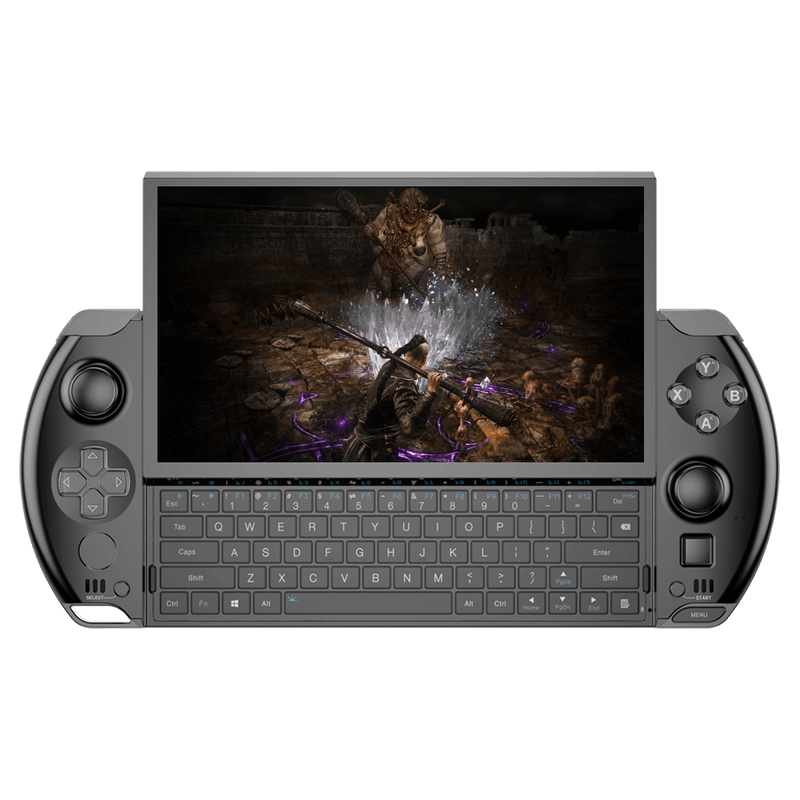
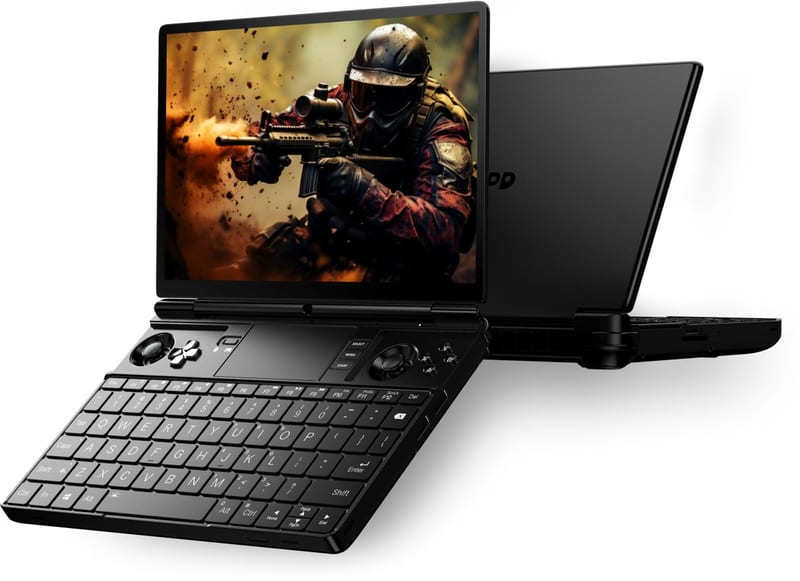
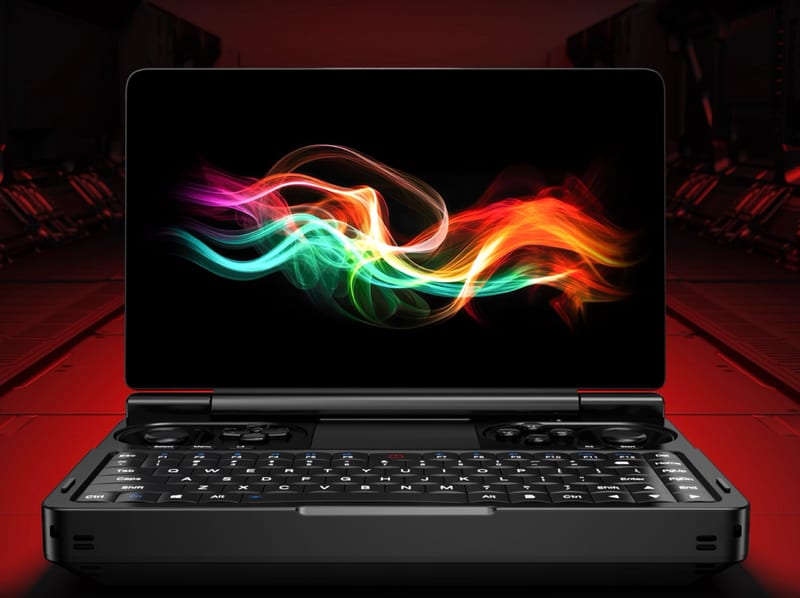
Displays run from a cramped 6 inches on the GPD Win 4 to a 10.1-inch panel on the GPD Win Max 2, which is really a mini-laptop that games. The comfortable handheld range is 7 to 8 inches, and that is where most of the field sits.
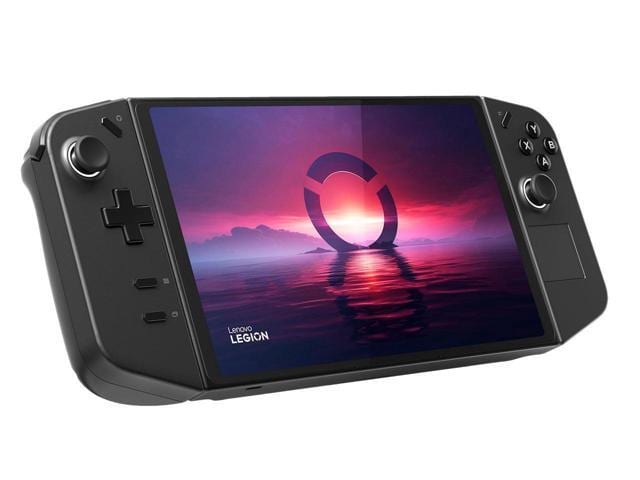
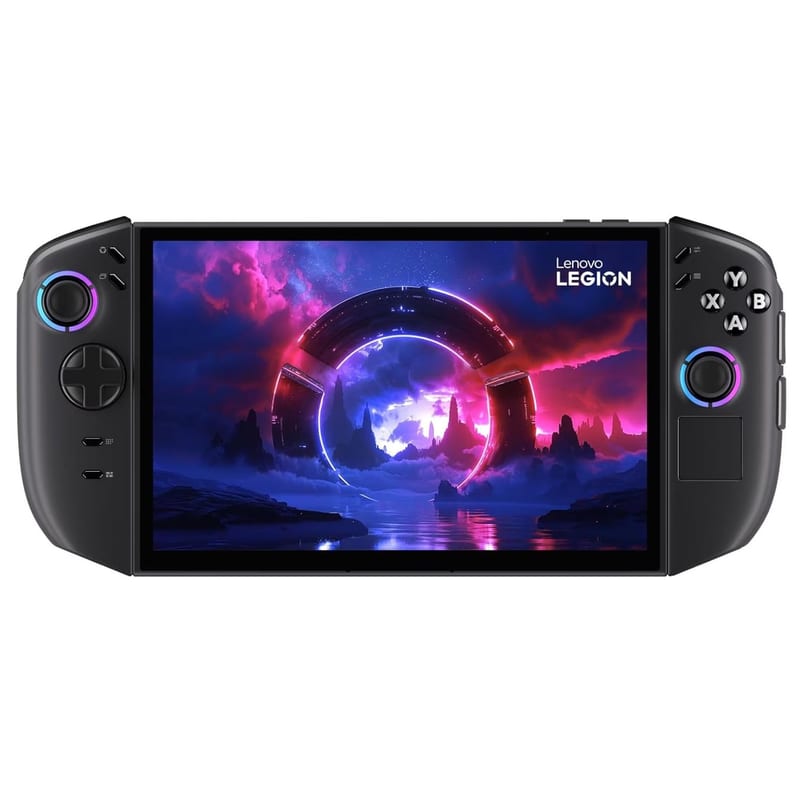
The big-screen camp is led by Lenovo. Notebookcheck called the Legion Go 2's 8.8-inch 144Hz OLED the best panel in the category for colour and contrast, and the original Legion Go's 8.8-inch QHD screen was the sharpest of its year. AYANEO's Kun goes even wider with an 8.4-inch 2.5K panel, though it caps out at 60Hz, which in 2026 is a real omission on a thousand-dollar device.
Refresh rate splits the field in three. The 60Hz laggards are the Steam Deck LCD and the two big GPD clamshells. The 120Hz mainstream covers most Windows handhelds. And a 144Hz top tier (Legion Go, Legion Go 2, AYANEO 3, OneXFly F1 Pro) mostly overlaps with the OLED panels worth having. The Steam Deck OLED, AYANEO 3, OneXFly and Zotac Zone all trade the LCD for OLED or AMOLED, and every review of them mentions the black levels first.
The sweet spot: A 90 to 120Hz OLED at 7 to 8 inches is the current sweet spot. A 144Hz panel is nice, but the APU rarely feeds it enough frames in a demanding game to matter, and a 60Hz screen in 2026 (the Steam Deck LCD, the big GPDs, the pricey AYANEO Kun) is the compromise to notice.
Battery: the watt-hours lie, gently
Watt-hours are the honest way to compare capacity across brands, but they are not the whole truth, because real runtime is a function of the wattage you choose to run. A big battery feeding a hungry chip in a high-power mode can die faster than a small battery feeding an efficient one at 15 watts.
The 80Wh trio (ROG Ally X, ROG Xbox Ally X, MSI Claw 8 AI+) buys you the most headroom, and even they are honest about the ceiling: ASUS's own numbers and Trusted Reviews put the Xbox Ally X at roughly two to three hours in Turbo. The Steam Deck OLED is the efficiency sweet spot, pairing a 50Wh cell with that older, frugal chip for some of the longest real sessions here. The short-runway machines are worth flagging before you buy: multiple outlets, including Tom's Hardware and Windows Central, clocked the 55.5Wh Legion Go S at only 1.5 to 2 hours of gaming, and DROIX drained the GPD Win 4's 45.62Wh cell in under an hour of heavy play.
The catch: Watt-hours are the spec, watts are the reality. Plan around 1.5 to 3 hours of real gaming for everything in this table, and treat the 80Wh machines as the ones most likely to reach the top of that range.
Weight: the number your wrists file a complaint about
Handheld comfort falls off a cliff somewhere around 750 grams, and this field straddles it. The featherweights are the 555g GPD Win Mini, the 599g OneXFly F1 Pro, the 608g original ROG Ally, and the 640g Steam Deck OLED. The heavyweights are the 922g Legion Go 2, the 942g AYANEO Kun, and the 1,005g GPD Win Max 2, which stops being a couch device and becomes something you rest on a table.
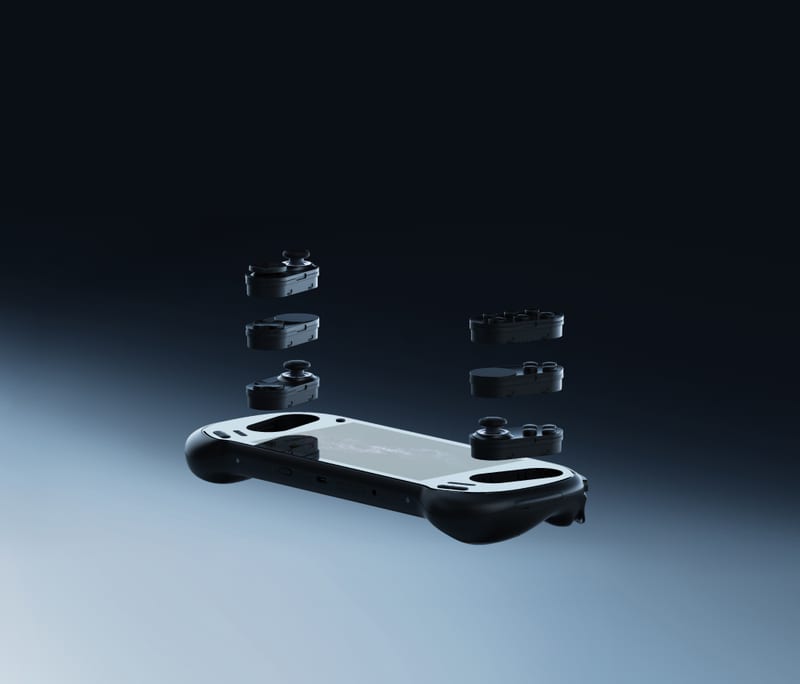
The detachable-controller machines carry an asterisk. The original Legion Go weighs 854 grams with its TrueStrike controllers attached, which is how you actually hold it, and about 650 grams as a bare tablet. Notebookcheck singled out the Legion Go 2's 922 grams as tiring over a long session even as it praised everything else about the device.
The one rule: Past roughly 800 grams you feel it within a level or two. The 8.8-inch Legion machines and the kilogram GPDs are desk-and-stand devices. If you play in bed or on a train, stay under 700 grams and your wrists will thank you.
What we would actually buy
For most people, the Valve Steam Deck OLED is still the one. It is not the fastest, and it is stuck on SteamOS with an older chip, but it is the most trouble-free machine here: the best ergonomics, the most mature software, genuinely good battery life, and the most honest price in the category. GamersNexus and Notebookcheck both frame it as the refined version of the device that started all this, and that is exactly what it is.
If you need Windows and you want to be untethered, the ROG Ally X is the all-rounder. The 80Wh battery roughly doubles the original Ally's playtime, the redesigned grips are far more comfortable, and Z1 Extreme performance still holds up. You will fight Armoury Crate now and then, but nothing else balances battery, comfort and speed as well.
If you want the fastest handheld with the least-annoying Windows layer and a thousand dollars does not scare you, the ROG Xbox Ally X is the flagship. The Ryzen AI Z2 Extreme is the quickest chip in the group, and the Xbox Full Screen Experience is the closest a Windows handheld gets to feeling like a console.
And if money is tight, the Steam Deck LCD remains the cheapest ticket into the best software on offer. The screen is dim and the chip is old, but a user-replaceable SSD and SteamOS make it recommendable in a way no bargain-bin clone is.
Two to skip. The Lenovo Legion Go S is a lovely chassis wrapped, in its Windows Ryzen Z2 Go trim, around an underpowered chip at a price the SteamOS version embarrasses: buy that one instead. And the original MSI Claw A1M, even fully patched, never recovered from a launch that shipped with broken drivers, which is a hard thing to forgive at its price.
Sources / further reading
- Valve Steam Deck OLED specifications and the Steam Deck tech specs for the LCD model
- GamersNexus: Steam Deck OLED review and benchmarks vs the ROG Ally and Deck LCD, and their MSI Claw teardown of a botched launch
- Notebookcheck: ROG Ally X review, Legion Go 2 review, Zotac Zone review and AYANEO Kun review
- Tom's Hardware: ROG Ally (Z1 Extreme) review, Legion Go S SteamOS review and ROG Xbox Ally (Z2 A) review
- GamesRadar: ROG Xbox Ally X review and Trusted Reviews on the same
- Windows Central: Legion Go S review and MSI Claw A1M FAQ
- Club386: MSI Claw 7 AI+ and 8 AI+ specs and Claw 8 AI+ review
- DROIX: GPD Win 4 (2025) review and GPD Win Max 2 (2025) review, plus GPD's Win Mini 2025 tech specs
- PCGamesN: AYANEO 3 review and the OneXPlayer OneXFly F1 Pro on Notebookcheck
- TechRadar: Steam Deck review and Engadget: MSI Claw A1M review