An air purifier is a fan pulling room air through a filter and pushing it back out cleaner. That is the whole machine. Everything that makes one worth buying over another comes down to how much clean air it actually moves, and almost every purifier is sold on numbers designed to make that sound bigger than it is. This comparison strips it back to the one certified figure that lets you rank them honestly, then rebuilds the room-size claim from scratch, because the coverage number on the box is the most inflated spec in the category.
The number that matters is CADR, the Clean Air Delivery Rate, measured in cubic feet per minute and certified by the Association of Home Appliance Manufacturers (AHAM). It is the closest thing to an independent, apples-to-apples score in air purifiers, which is exactly why some brands bury it. We rank on the smoke CADR specifically, because smoke particles are the smallest of the three AHAM tests, roughly 0.09 to 1 micron, so a machine that handles smoke handles pollen and dust too. RTINGS, TechGearLab, and Modern Castle all lean on CADR for the same reason.
Slopsheets says: Ignore the giant square-footage claim and read the smoke CADR. If a purifier hides its CADR or leads with "cleans 5,000 sq ft," that is the tell. The honest room size is a simple calculation off the CADR, and we did it for every unit here.
CADR: the one number that actually compares
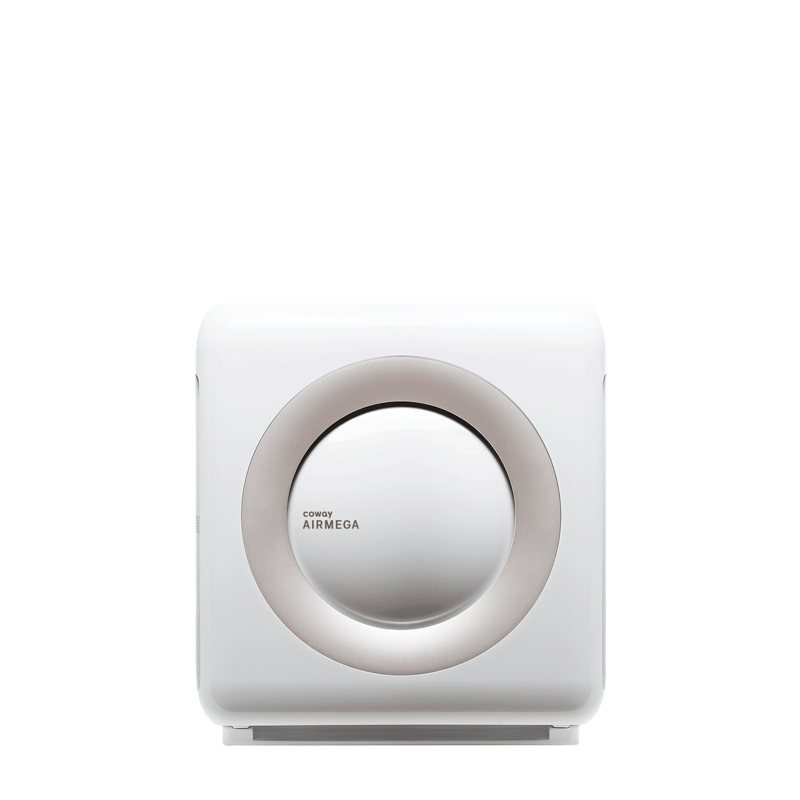
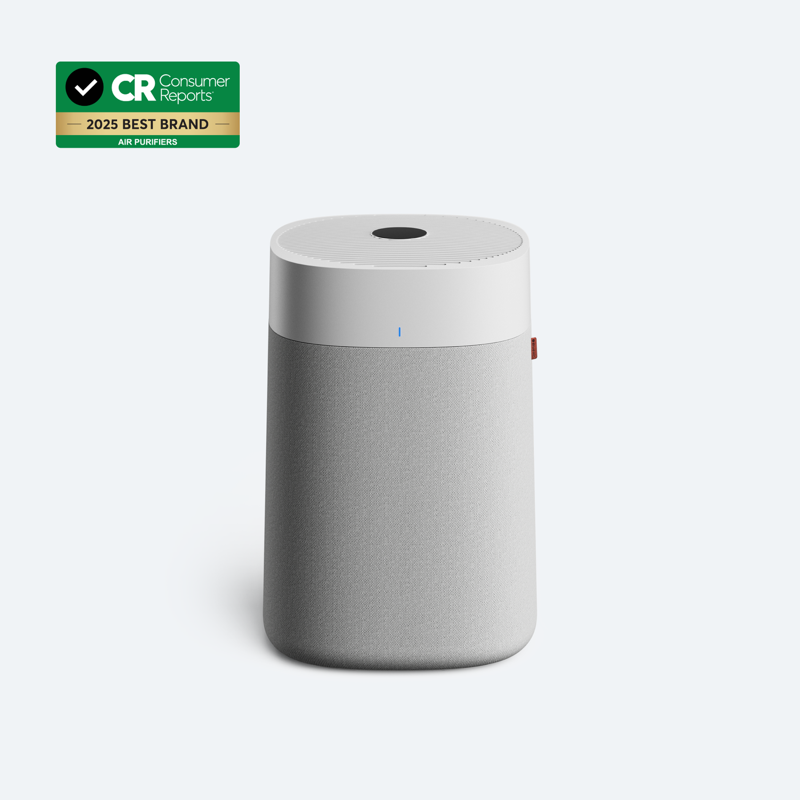
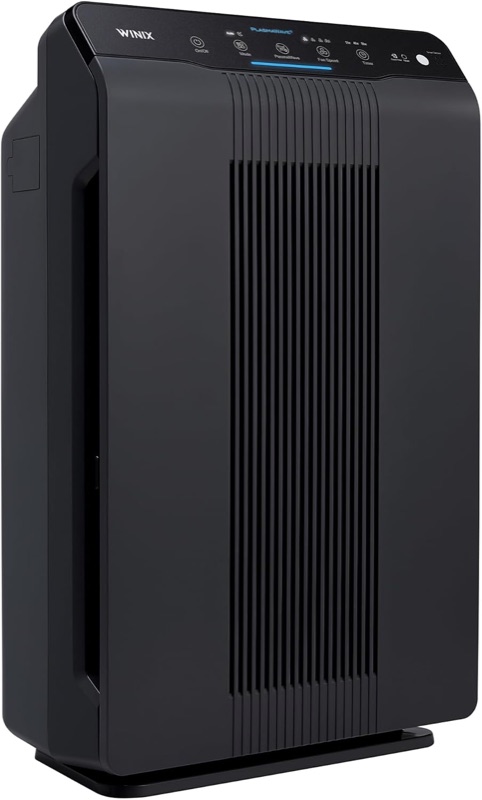
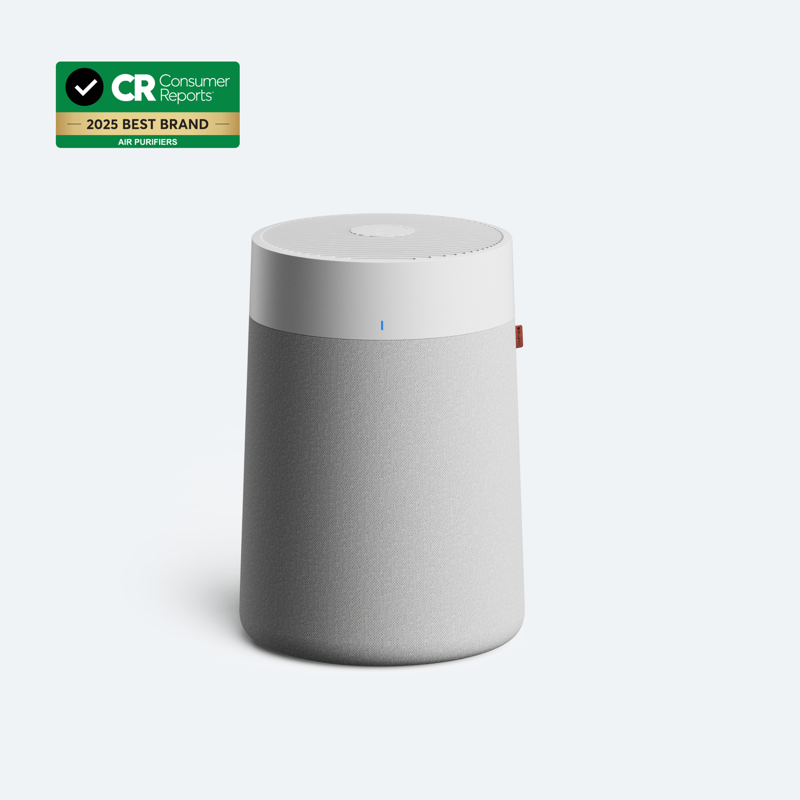
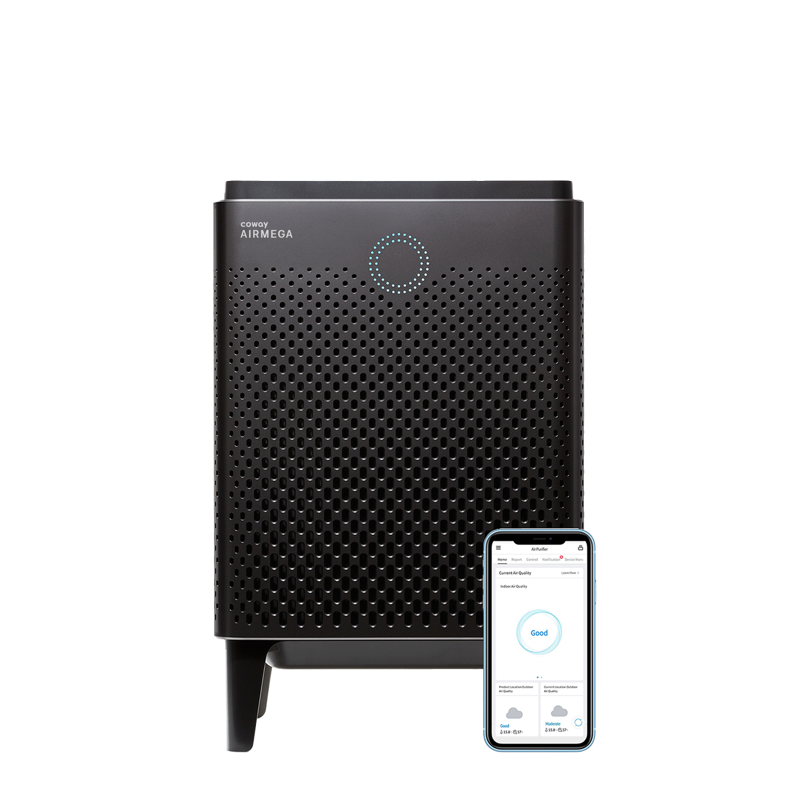
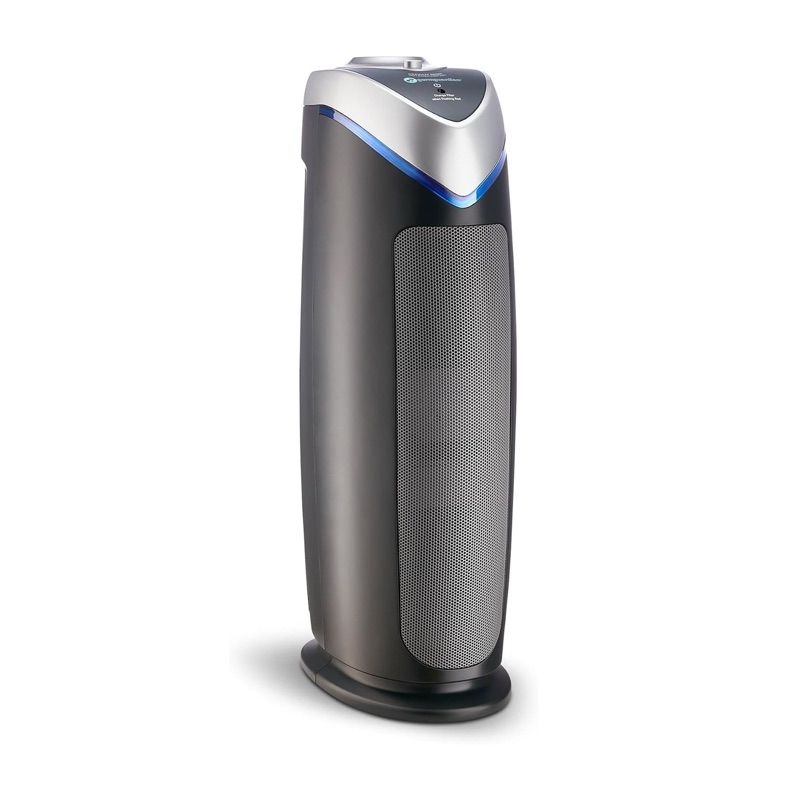
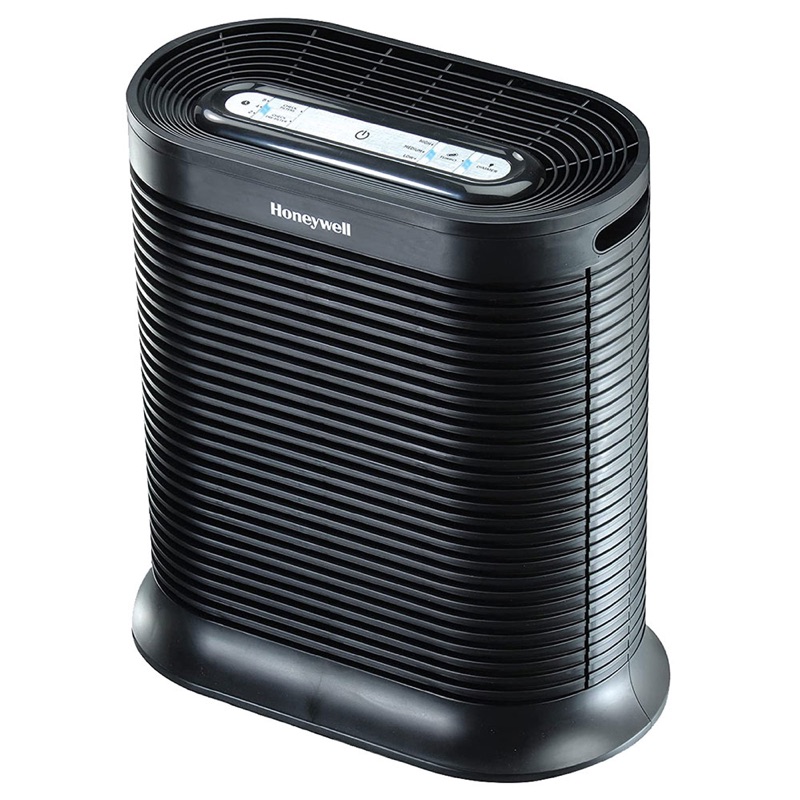
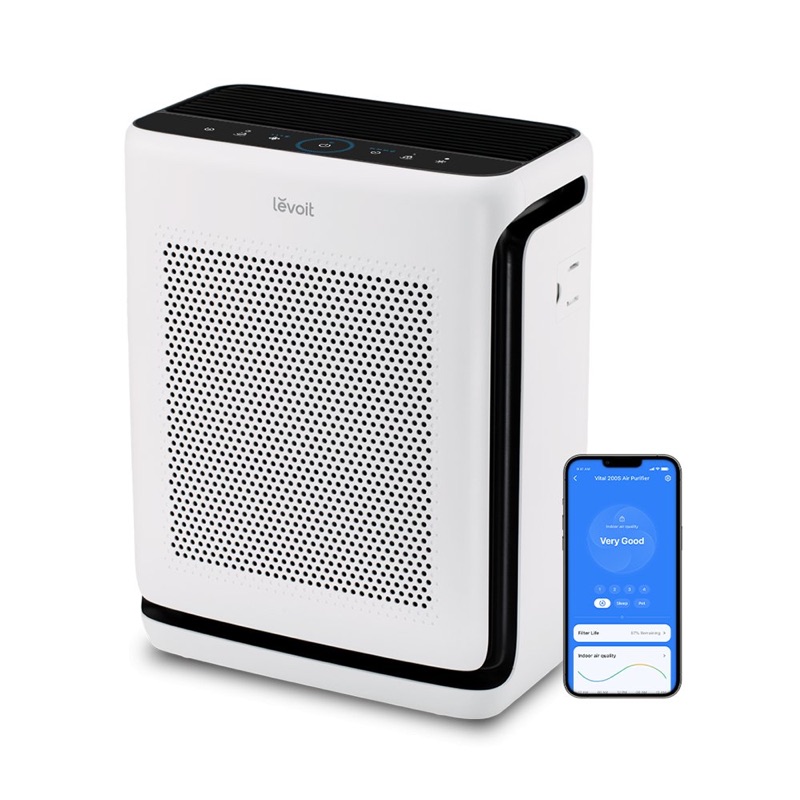
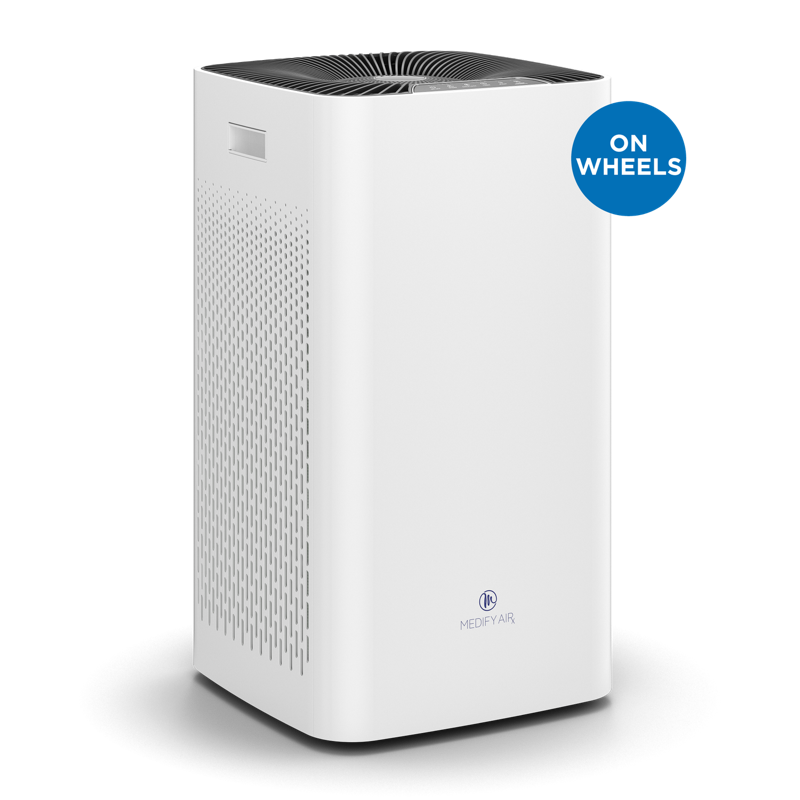
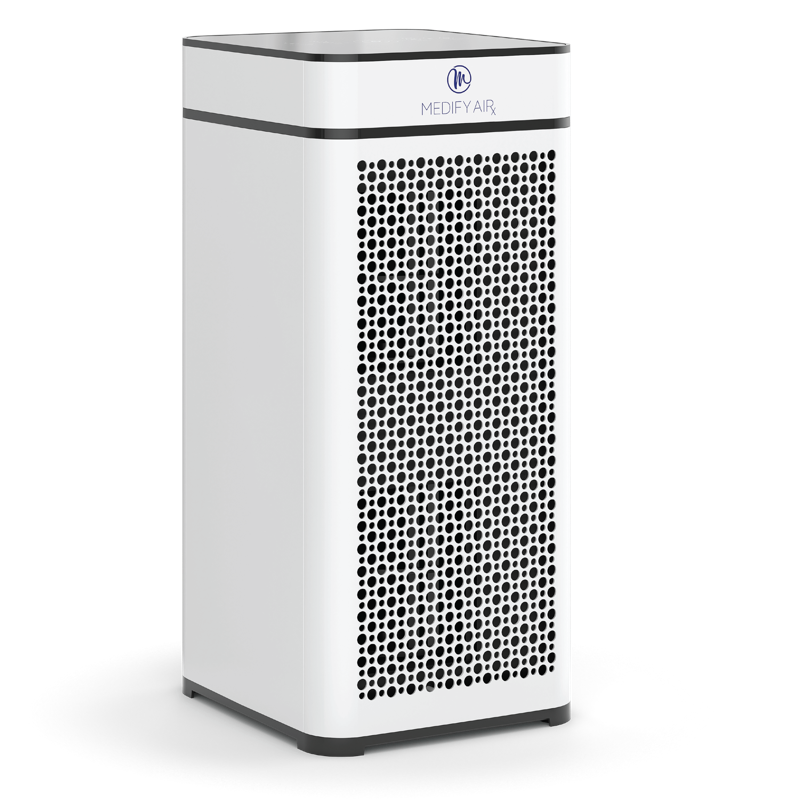
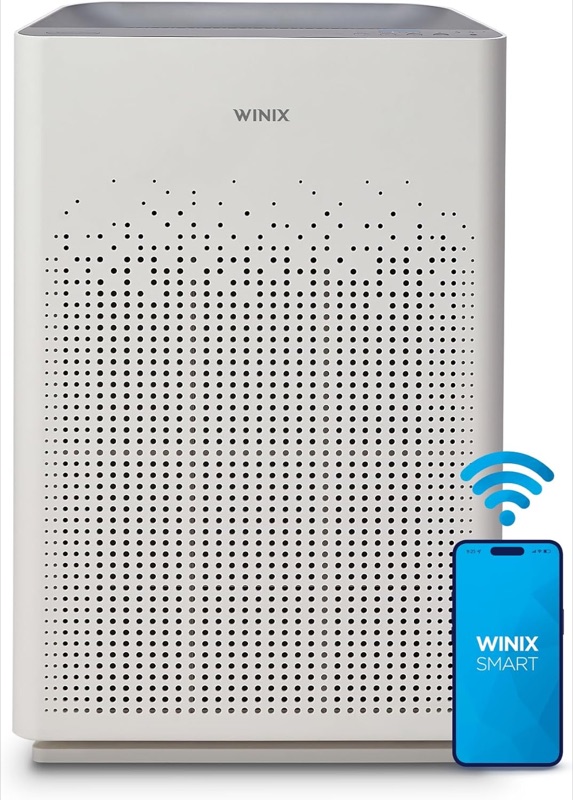
Smoke CADR is how many cubic feet of genuinely filtered air the machine delivers each minute, and it spans a huge range in this group. At the bottom, the GermGuardian AC4825E (99 CFM) and Honeywell HPA100 (100 CFM) are single-small-room machines. The mainstream middle, from the Coway Airmega 250 (249 CFM) and Levoit Vital 200S (250 CFM) up through the Coway Mighty (233 CFM) and the Winix trio (around 232 CFM), is where most bedrooms and living rooms are well served. At the top sit the Levoit Core 600S (391 CFM), Blueair Blue Pure 211i Max (410 CFM), and the outright monster of the group, the Medify MA-112 (594 CFM), built for open-plan spaces.
Two machines can carry the same "HEPA" badge and move wildly different amounts of air, and CADR is what exposes it. The Honeywell HPA300 (300 CFM) moves three times the air of its own little sibling the HPA100, and the Medify MA-112 moves six times what the GermGuardian does. That gap is the entire ballgame, and none of it shows up in the word "HEPA."
Room size: the coverage number is inflated, here is the honest one
Here is the spec where the marketing gets shameless. Every coverage figure in this comparison has been recomputed, so it means the same thing for every unit. We use the AHAM guideline, sometimes called the two-thirds rule: a purifier's smoke CADR should be at least two-thirds of a room's floor area for an eight-foot ceiling, which works out to roughly the smoke CADR times 1.55. That corresponds to about 4.8 air changes per hour, cleaning the room's full volume of air close to five times an hour, which is the rate allergy and asthma guidance actually calls for.
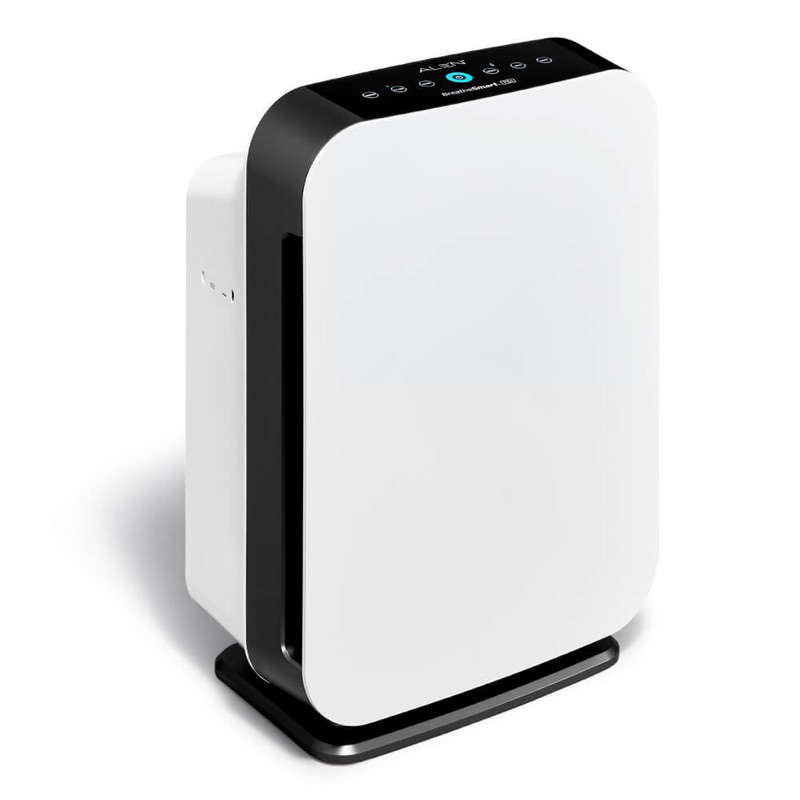
Run that math and the honest coverage numbers land far below the box. The Coway Mighty covers about 361 sq ft, the Blueair 211i Max about 636, the Levoit Core 300S about 219, and the big Medify MA-112 about 921. Now compare those to what the same brands advertise: Alen rates the BreatheSmart 75i at 2,800 sq ft, and Medify markets the MA-112 as high as 4,455 sq ft. Those headline numbers are quoted at one air change per hour, a single weak turnover that does almost nothing for smoke or allergens. Reputable brands like Coway, Levoit, and Winix already publish their coverage at the honest 4.8-change rate, which is why their advertised figures and our recomputed ones match; the inflated outliers are the ones quietly using a slower standard.
What the box won't tell you: Buy for the room you have at 4.8 air changes an hour, not the ballroom the box promises at one. If a purifier's advertised coverage is triple our number, the difference is not performance, it is a slower air-change rate doing the heavy lifting on the label.
Filter grade: what "True HEPA," "H13," and "HEPA-type" actually buy you
"HEPA" is where shoppers assume the marketing is honest, and it mostly is not standardized. A True HEPA filter is certified to capture 99.97 percent of particles at 0.3 micron; that is a real, testable claim, and most of this field meets it, including all three Coway Airmegas, the Winix models, and both Honeywells. Several Levoit units and the Alen and Medify machines go a step further to an H13 grade, an EN 1822 classification often sold as "medical grade," which is a genuinely tighter spec, though for household air the practical gap over standard True HEPA is small.
It says HEPA, so it must move as much clean air as any other HEPA machine on the shelf.
Two purifiers can wear the same HEPA badge and move wildly different amounts of air. The Honeywell HPA300 moves three times what its own HPA100 sibling does, and CADR is what exposes the gap.
The interesting case is Blueair. Its Blue Pure Max models use a HEPASilent system, a mechanical filter combined with an electrostatic charge, which is technically "HEPA-type" rather than certified True HEPA, and yet HouseFresh and other testers consistently rank Blueair among the fastest real-world cleaners on the market. It is the clearest proof that the filter label and the CADR do not always agree, and that CADR is the one to trust. One honest footnote: Levoit quietly dropped its "H13 True HEPA" wording after a 2023 industry-advertising ruling, but the physical filters did not change, so older reviews citing H13 on a Core 400S or 600S are still describing the same part.
Noise: the spec that decides whether it runs at night
A purifier only works when it is running, and the fastest way to guarantee it gets switched off is to make it loud. The quiet end here is genuinely livable: the Blueair Blue Pure 411a Max tops out around 46 dB, and the 311i Max around 50, closer to a soft hum than a fan. The Levoits and Coways sit in the low-to-mid 50s at full speed, fine for a living room and tolerable in a bedroom on a lower setting.
Then there are the loud ones, and this is where the numbers need an asterisk. The Honeywell HPA300 and HPA100 run past 68 dB at turbo, and the Medify MA-112 hits about 70, all of them closer to a running vacuum than a bedroom appliance. Read the noise column knowing it is not measured the same way everywhere: most figures here are the maker's own maximum, but Honeywell and GermGuardian do not publish a decibel spec at all, so those come from independent lab measurements, which sit at a closer distance and read higher. The honest takeaway survives the mess: the Honeywells and the big Medify are loud on high, and the Blueairs are the ones you can sleep next to.
Filter life: the cost you only notice later
The sticker price is not the real price, because every one of these eats filters on a schedule. Most of the field runs its main HEPA filter about 12 months, including the Coway Airmegas and the Winix models, and Coway in particular is known for some of the cheapest replacement filters in the business, which is a quiet part of why the Mighty stays a perennial recommendation. Levoit's Core line is rated closer to 6 months on paper, and the Medify H13 filters are the shortest-lived here at roughly 5 months, so the machine that looks affordable on day one can cost more to feed over a few years. Blueair splits the difference at about 9 months. None of this shows in a first-glance comparison, which is exactly why it belongs in the table.
So which air purifier should you buy?
Match the smoke CADR to your honest room size, then let noise and filter cost break the tie. Our four picks:
- Best overall, Coway Airmega AP-1512HH Mighty. A proven 233 CFM with real auto mode and cheap filters, the right size for most bedrooms and living rooms. RTINGS and Reviewed have parked it near the top for years, and nothing here unseats it for the money.
- Best for large rooms, Blueair Blue Pure 211i Max. At 410 CFM it actually clears an open living space, and it does it quietly, the rare big purifier you can run at speed without turning off the TV. HEPA-type on the label, top-tier in the lab.
- Best budget, Levoit Core 300S. The most popular small-room purifier going, with a real H13-grade filter and app control at a price low enough to put one in every bedroom. Undersized for a great room, ideal beside a bed.
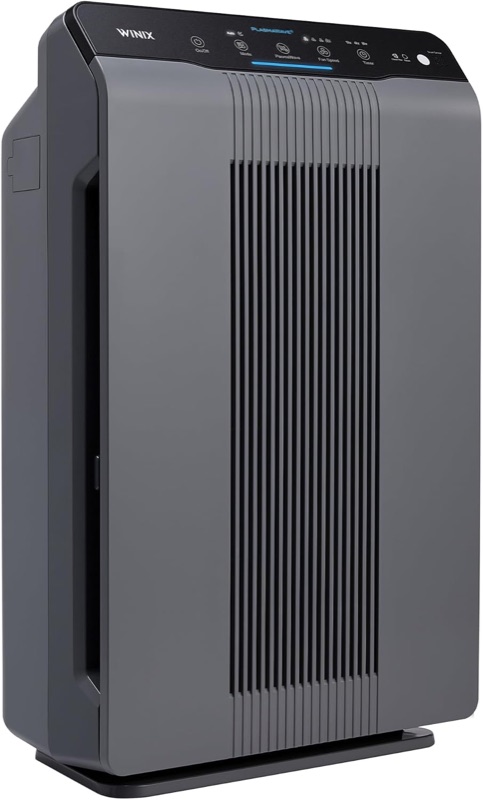
- Best value for allergies, Winix 5500-2. True HEPA, a washable carbon filter, and a genuine 232 CFM smoke CADR at a price the design-forward brands cannot match. It is louder than a Blueair, but no purifier here does more per dollar.
Frequently asked questions
What CADR do I actually need for my room? Take your room's square footage and multiply by about two-thirds to get the minimum smoke CADR for a proper 4.8-air-changes-an-hour clean. A 300 sq ft bedroom wants roughly 200 CFM; a 500 sq ft living room wants around 330. Buying above that just lets you run the machine slower and quieter for the same result.
Is "True HEPA" better than "HEPA-type"? True HEPA is a certified 99.97 percent capture at 0.3 micron, and HEPA-type is not certified, so as a rule prefer True HEPA. The honest exception is Blueair's HEPASilent, which is technically HEPA-type but tests among the best real-world cleaners, because its high CADR does the work. When in doubt, trust the CADR over the filter label.
Why is the coverage in this comparison smaller than the number on the box? Because we recomputed every unit's coverage at 4.8 air changes per hour, the rate that meaningfully clears smoke and allergens, using the AHAM two-thirds rule. Many brands advertise coverage at one air change per hour, which inflates the square footage two to five times for the same machine.
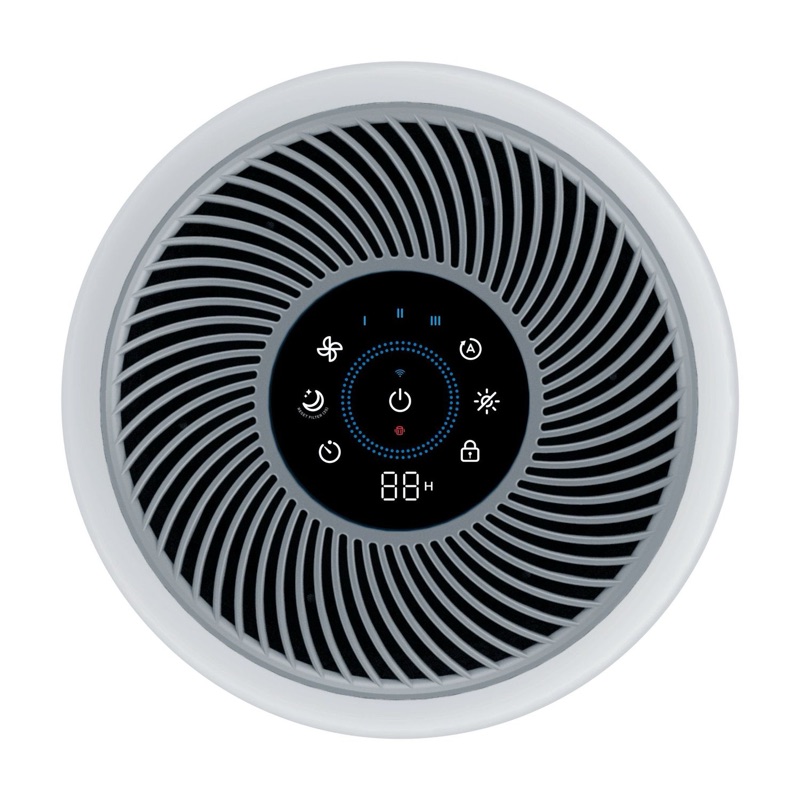
Do I need the smart or Wi-Fi version? Not for clean air. The filter and fan do the work; the app adds scheduling, auto mode driven by a built-in air-quality sensor, and filter-life alerts. Auto mode is genuinely useful for hands-off running, but a manual unit of the same CADR cleans exactly as well.
How loud is too loud for a bedroom? Under about 50 dB is comfortable for sleep, which the Blueair Blue Pure models clear even near full speed. Machines that hit the high 60s or 70s on turbo, like the Honeywell HPA300 and Medify MA-112, are fine in a living room by day but usually get dropped to a lower, quieter setting at night.
Sources / further reading
- RTINGS: The Best Air Purifiers, independent lab testing with measured performance and noise.
- TechGearLab: The Best Air Purifiers, side-by-side lab scoring across room sizes.
- Modern Castle: Best Air Purifier, objective testing across dozens of models.
- HouseFresh: Air purifier reviews, real-world clean-air testing, including the Blueair HEPASilent units.
- AHAM Verifide: Air Cleaners (CADR), the certified CADR directory behind the numbers here.